
24/7 Customer Support

Free returns

Same-day & Next-day Delivery

Quality Guaranteed

Unlock Your Welcome Offers: FREE Delivery | Up to 80% OFF | Free 30-day JoyPlus trial
Download the APP
As a Joybuy Product Recommendation Officer, my role is to help you navigate the increasingly crowded market of speciality teas and drinks. Many of us are looking for healthier, more interesting alternatives to standard soft drinks and traditional cuppas. However, the wellness market is filled with marketing buzzwords and confusing labels. This guide will help you identify common pitfalls and focus on what truly matters when selecting your next favourite beverage.
Before you add that intriguing bottle or box to your basket, be aware of a few common issues that can lead to a disappointing purchase.
To make a confident choice, focus on these three core parameters. They will empower you to see past the marketing and assess the true quality of a product.
The ingredient list is your most reliable source of information. Look for products that list whole, recognisable ingredients first. For a quality herbal infusion or fruit tea, you should see items like "rosehip", "ginger root" or "freeze-dried lemon slices" instead of just "flavouring." When considering organic tea bags, a certification from a recognised body provides an extra layer of assurance about the sourcing and processing of the ingredients.
Understanding the sugar content is crucial. A quick glance at the "Carbohydrates (of which sugars)" line in the nutritional table tells you a lot. A low number (e.g., under 5g per 100ml) is generally a good sign. Differentiate between naturally occurring sugars from fruit juice and added sugars like glucose-fructose syrup or sucrose. For a truly low-sugar option, look for products with no added sugar or those using natural sweeteners like stevia. This is especially important when choosing a ready-to-drink iced tea.
Not all caffeine is created equal. If you're seeking a lift, natural energy drinks are a growing category. Those powered by matcha green tea are particularly noteworthy. Matcha contains L-theanine, an amino acid that works with caffeine to provide a state of calm focus, often avoiding the "jitters" and subsequent crash associated with coffee or synthetic caffeine. Conversely, if you need a drink to help you wind down, ensure it is explicitly caffeine-free. Most wellness tea and herbal blends are naturally free from caffeine, making them suitable for any time of day.
Based on these practical criteria, here are a few recommendations tailored to different needs and preferences.
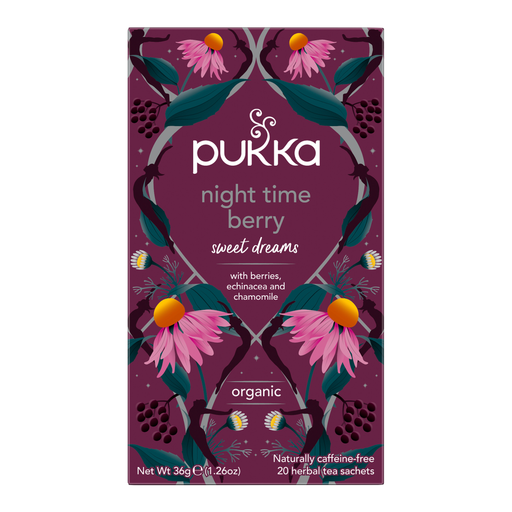
Why This Fits Their Persona: This is ideal for someone seeking a soothing, caffeine-free ritual to end their day. The blend is specifically designed for relaxation, making it a perfect companion for reading a book or unwinding before bed.
The ingredient list is transparent, featuring organic chamomile, echinacea and real blackcurrant and elderberry. It avoids the "natural flavours" trap by using actual herbs and fruits, and its purpose is clear without relying on vague wellness jargon.
Features a thoughtful blend of herbs traditionally used for relaxation, including chamomile, lavender and valerian root. It is certified organic and naturally caffeine-free.
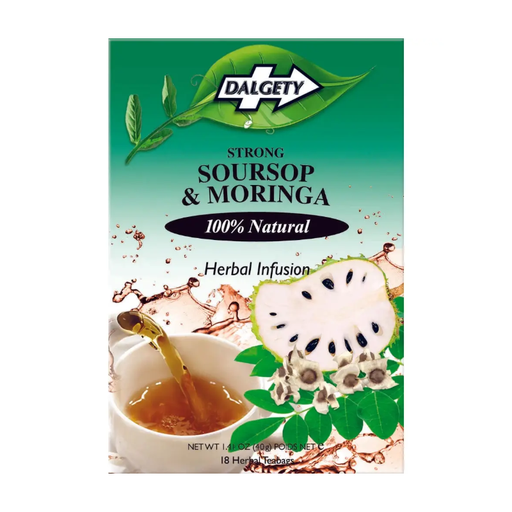
Why This Fits Their Persona: For those who enjoy discovering unique global flavours, this tea offers a journey to the tropics. Soursop tea is a staple in Caribbean herbal tradition, and its combination with moringa provides a distinctive, earthy and floral taste profile that stands out from typical herbal blends.
Its ingredient list is the definition of transparency: "Soursop Leaves (50%), Moringa Leaves (50%)". There are no hidden sugars, additives or flavourings, ensuring a pure and authentic experience of this unique herbal infusion.
A simple, two-ingredient blend of 100% natural leaves. It is caffeine-free and offers a genuine taste of soursop, an ingredient gaining popularity for its unique flavour and traditional use in wellness practices.
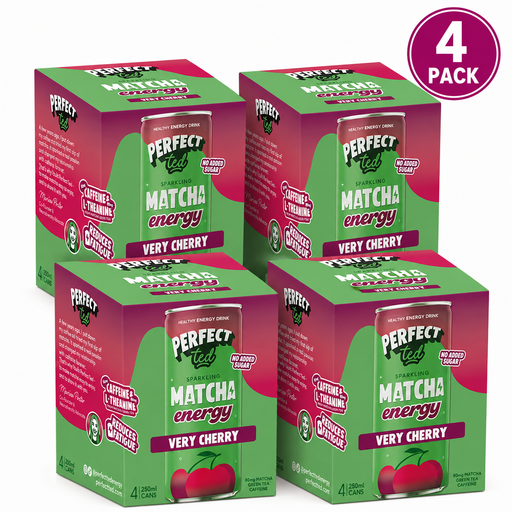
Why This Fits Their Persona: This is an excellent choice for someone needing a mental or physical boost but wants to avoid the artificial ingredients and sugar crash of conventional energy drinks. It's perfect for a mid-afternoon pick-me-up at the office or before a workout.
It directly tackles the hidden sugar trap by containing no added sugar, sweetened only with real fruit juices. The energy source is clearly stated as ceremonial grade matcha green tea, providing transparency and a functional benefit (L-theanine) that backs up its "calm focus" claim.
Provides 80mg of natural caffeine from matcha for sustained energy without jitters. It is lightly sparkling, vegan and free from artificial additives or preservatives.
We have compiled a complete, real-time list of products that fully satisfy these strict selection criteria and UK safety regulations.
The main difference lies in the plant source and caffeine content. Regular teas (black, green, oolong, white) are all made from the leaves of the Camellia sinensis plant, which naturally contains caffeine. Herbal infusions, on the other hand, are made from a wide variety of other plants, including fruits, flowers, spices and herbs like peppermint, chamomile or rooibos. As a result, most herbal infusions are naturally caffeine-free.
Look beyond the front-of-pack claims. First, check the ingredient list for the caffeine source. Options like matcha green tea, guarana or yerba mate are popular natural choices. Second, scrutinise the sugar content. A quality natural energy drink will have no or very low added sugar, deriving its sweetness from fruit juice instead. Finally, check for artificial sweeteners, colours or preservatives. The shorter and more recognisable the ingredient list, the better.
For most people in the UK, high-quality soursop tea bags offer a significant advantage in convenience and consistency. Reputable brands source and dry the leaves in a way that preserves their characteristic flavour and properties. While using fresh leaves is an option if you can find them, tea bags provide a reliable, accessible way to enjoy this tropical infusion without the hassle of preparation. Always choose a brand that uses 100% soursop leaves for the most authentic experience.