
24/7 Customer Support

Free returns

Same-day & Next-day Delivery

Quality Guaranteed

Unlock Your Welcome Offers: FREE Delivery | Up to 80% OFF | Free 30-day JoyPlus trial
Download the APP
A daily moisturiser with SPF can simplify a UK skincare routine, but choosing one based only on a bold “SPF 30” label can lead to wasted money. The right product needs to suit your skin type, the amount of time you spend outdoors and the finish you expect under make-up.
Whether you want a lightweight facial sunscreen SPF 30, a hydrating sun cream for dry skin or an anti-ageing day cream SPF 30, compare the details behind the marketing claims.
SPF refers to the product’s tested sun protection when applied in the required quantity. It does not mean that a thin layer applied in the morning will remain fully effective until evening. Protection can be reduced by sweating, swimming, rubbing and towel drying.
For daily commuting, apply generously to the face, ears and neck as the final morning skincare step. During prolonged outdoor exposure, reapply frequently and combine sunscreen with shade, clothing and a hat.
A face cream with SPF 30 may be convenient for everyday use, but it may not offer the texture, volume or water resistance needed for a beach day, sports session or family outing. A dedicated SPF 30 sunscreen or water-resistant sun lotion is often more practical for larger exposed areas.
Check the packaging for UVA and UVB protection, usage directions and whether the formula is water resistant. No sunscreen removes the need to limit prolonged sun exposure.
A tinted sunscreen can reduce the appearance of white cast, while a mineral sunscreen containing zinc oxide may appeal to shoppers who prefer mineral filters. However, tinted formulas need careful shade matching, and some products contain alcohol, fragrance or other ingredients that may not suit every complexion.
If you have sensitive skin, check the full ingredient list and patch test before regular use. Stop using a product if irritation develops.
Look for SPF 30 on the label and confirm that the product also indicates UVA protection. In the UK, many shoppers look for the UVA logo or a clear UVA rating alongside the SPF claim. SPF mainly communicates protection against UVB, while UVA protection is relevant to longer-wave ultraviolet exposure.
Use the quantity stated on the packaging. The “two-finger” approach is a practical guide for face and neck products, but always follow the manufacturer’s directions. Applying less can significantly reduce the labelled level of protection.
A mineral sunscreen generally uses filters such as zinc oxide or titanium dioxide. Beauty of Joseon’s tinted fluids, for example, list zinc oxide and iron oxides, with the tint designed to add colour while helping reduce a pale cast.
Other formulas use organic UV filters. These can create fluid, easily spreadable textures, but individual tolerance varies. If you are comparing a vitamin C moisturiser SPF 30, anti-wrinkle face cream or sensitive skin sunscreen, prioritise the complete ingredient list over the front-of-pack benefit.
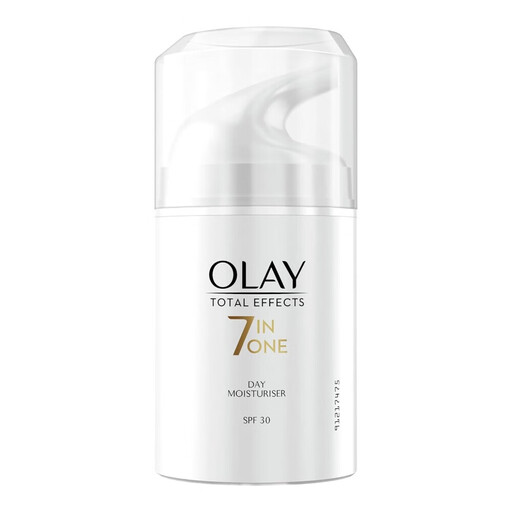
Why This Fits Their Persona: A practical one-step option for shoppers starting a straightforward morning routine and wanting moisturising, antioxidant ingredients and broad-spectrum SPF 30 in a 50ml face cream.
Its directions state that it should be smoothed over the face and neck daily, helping make adequate morning application easier to remember.
Contains niacinamide, vitamins C and E, pro-vitamin B5 and a non-greasy SPF 30 formula.
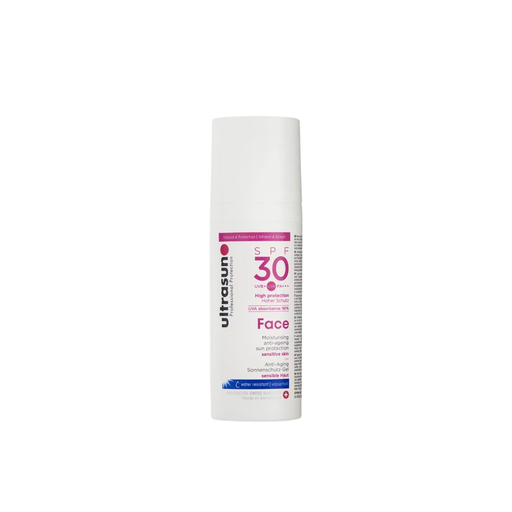
Why This Fits Their Persona: Suits shoppers who want a dedicated facial sunscreen with a lightweight texture that can sit beneath make-up during UK commutes or daily errands.
The product information describes a fast-absorbing, non-greasy formula and gives a specific face, neck and décolletage application guide.
Includes glycerin, ectoin and silica; the listed formula is non-comedogenic and designed for daily facial use.
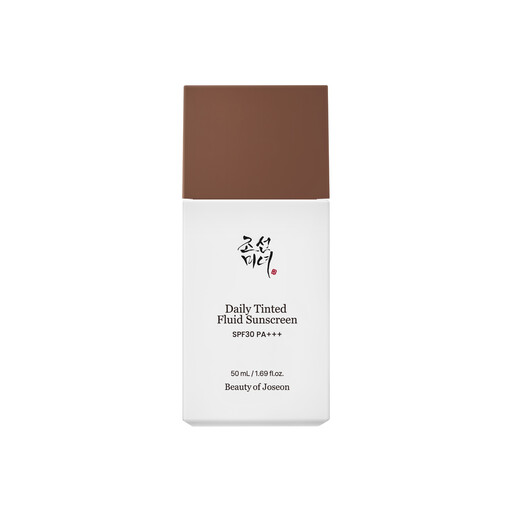
Why This Fits Their Persona: Designed for shoppers who want sheer colour alongside daily mineral protection, particularly those seeking a warmer tint and soft, less shiny finish.
The shade and mineral filter are clearly specified, so shoppers can compare undertones and filter preferences rather than relying on vague “no cast” wording.
Lists 20.9% zinc oxide, iron oxides, mugwort extract and a fluid texture; shake well before application.
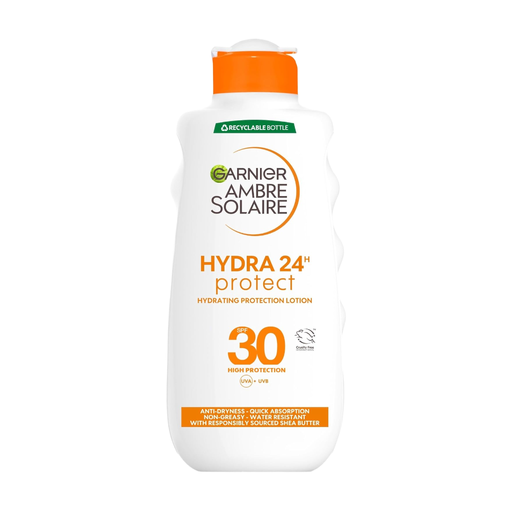
Why This Fits Their Persona: The 175ml format is more suitable for repeated application to exposed body areas during garden work, walks, holidays or outdoor activities.
The listed directions specifically mention generous application and reapplication after swimming, sweating or towel drying.
Provides SPF 30 UVA/UVB protection, includes shea butter and is described as fast-absorbing and water resistant.
We have compiled a complete, real-time list of products that fully satisfy these strict selection criteria and UK safety regulations.
For long outdoor periods, a dedicated water-resistant sun lotion may be more appropriate than a small facial moisturiser. Keep children and babies out of direct sunlight and follow NHS sun-safety guidance.
SPF 30 can be a practical choice for routine daytime use when applied generously and correctly. Protection can fall through rubbing, sweat and water, so reapplication and additional sun-safety measures remain important.
Yes, for ordinary daily exposure, a labelled SPF 30 face moisturiser may combine hydration and sun protection. For swimming, sport or extended outdoor exposure, choose a product specifically intended for those conditions and follow its reapplication instructions.
Check the open-jar symbol and packaging guidance. Many skincare products indicate a period such as 12 months after opening, but this varies by formula. Store the product away from direct sunlight and heat, and replace it if its smell, colour or texture changes.