
24/7 全天候客户支持

免费退货

当日/次日达

品质保障

开启新人专享福利: 全场免邮 | 低至 2 折 | 免费试用 30 天 JoyPlus 会员
下载 Joybuy
As a Joybuy Product Recommendation Officer, my role is to help you navigate the crowded market of skincare. When it comes to daily sun protection, choosing the right SPF 30 sun cream can feel overwhelming. The shelves are filled with promises, but not all formulas deliver on what matters for UK residents: reliable protection that fits seamlessly into your daily life.
Many shoppers find themselves disappointed with a purchase that looked great online but fails in practice. Before you add another tube to your basket, let's look at the common pitfalls that lead to wasted money and inadequate protection.
To avoid these issues, focus on a few key technical aspects rather than just the marketing claims. Understanding these will empower you to select a product that truly works for your skin and lifestyle.
The type of UV filter used is a primary differentiator. Neither is inherently better, but they work differently and suit different needs.
Sunlight contains different types of UV rays, and you need protection from both.
The base formula determines how the sunscreen feels and performs on your skin. Consider what you need from your daily protection:
Based on these practical criteria, here are a few standout options tailored to specific user needs.
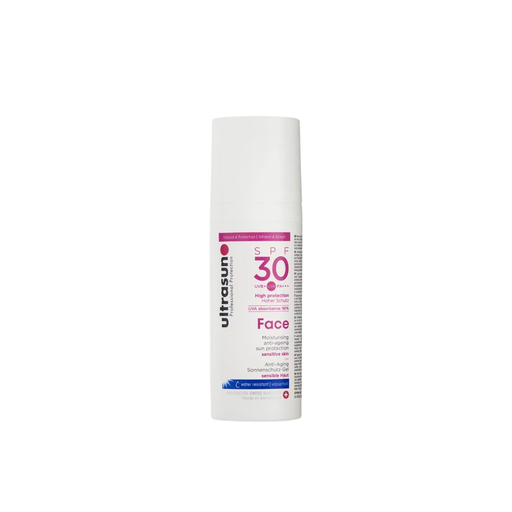
Why This Fits Their Persona: This is ideal for someone who needs a reliable, no-fuss daily sunscreen that won't irritate their skin or interfere with their makeup. Its lightweight formula is designed for sensitive skin and acts as a moisturiser and primer, streamlining the morning routine before heading out.
It directly solves the "Skincare vs. Sunscreen" conflict. The non-greasy, fast-absorbing texture is specifically formulated to work as a primer, ensuring makeup applies smoothly without pilling or separating.
Combines moisturiser, primer and sun protection in one step. The formula is non-comedogenic and suitable for very sensitive skin types.
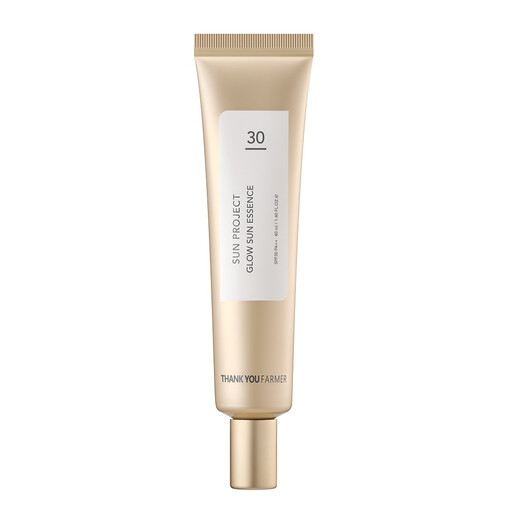
Why This Fits Their Persona: For those who want their sunscreen to do more than just protect, this K-Beauty essence delivers a "glass skin" finish. It's perfect for someone with dry or dull skin who wants a radiant, lit-from-within look and appreciates a product that combines hydration, protection and a cosmetic glow.
This formula is designed to enhance, not fight, your makeup. Its hydrating essence texture and micro-pearls create a smooth, luminous base, preventing the dullness or greasiness that can ruin a finished look.
Provides a subtle, strobing glow for a radiant complexion. The essence texture delivers intense hydration, making it ideal for dry skin types.
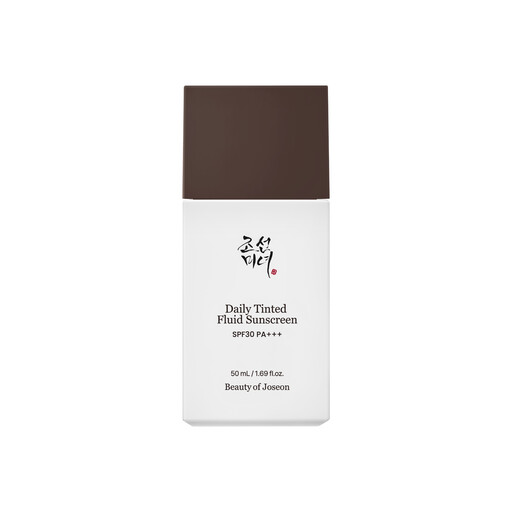
Why This Fits Their Persona: This is for anyone with a deeper skin tone who has struggled to find a mineral sunscreen that doesn't leave an ashy cast. The DP320 shade is specifically formulated with a rich, pink-toned tint to blend invisibly into deep skin with cool undertones, offering protection and a natural finish.
It directly debunks the "Invisible Finish" myth. By incorporating a specific tint for deeper complexions, it neutralises the white cast of its mineral filter, ensuring a truly seamless and non-ashy appearance.
Zero white cast on deep skin tones. The serum-light fluid texture feels weightless and breathable and it contains Artemisia (Mugwort) to soothe sensitive skin.
We have compiled a complete, real-time list of products that fully satisfy these strict selection criteria and UK safety regulations.
The general guidance for achieving the advertised SPF rating is to use the "two-finger rule." Dispense a line of sun cream along the length of your index and middle fingers and apply that amount to your face and neck. A common mistake is applying too little, which significantly reduces the level of protection you receive.
While you can, it's not always ideal. Sunscreens formulated for the body can sometimes be thicker, greasier and may contain fragrances or oils that could clog pores or cause breakouts on the more delicate skin of the face. A dedicated daily face sunscreen is typically formulated to be non-comedogenic (won't clog pores) and to sit well under makeup.
The difference in protection is smaller than the numbers suggest. SPF 30 blocks approximately 97% of UVB rays, while SPF 50 blocks about 98%. For most people's daily activities in the UK, a properly applied SPF 30 sun cream provides adequate protection. The most important factor for both is not the number itself, but applying a generous amount and reapplying it regularly.