
24/7 Customer Support

Free returns

Same-day & Next-day Delivery

Quality Guaranteed

Unlock Your Welcome Offers: FREE Delivery | Up to 80% OFF | Free 30-day JoyPlus trial
Download the APP
Navigating the world of sun protection can feel like a full-time job. Shelves are packed with lotions, fluids and creams all promising to shield your skin. Yet, many of us have a drawer filled with half-used bottles of SPF 30 sunscreen that failed to live up to their claims. The frustration is real: you invest in a product, only to find it’s completely unsuitable for daily use.
As a Product Recommendation Officer, I see two common pitfalls that catch UK shoppers time and again. Understanding them is the first step to finding a sunscreen you’ll genuinely want to wear every day.
To avoid these traps, it helps to look beyond the marketing and understand a few core parameters. These details determine how a sunscreen will feel, perform and suit your specific skin needs.
Sunscreens use two types of filters to protect your skin, and each has its own characteristics.
The SPF number only tells you about protection from UVB rays, the kind that cause sunburn. However, UVA rays are present all year round and are responsible for premature skin ageing.
The right formula for you depends entirely on your skin type and lifestyle.
Based on these practical considerations, here are a few options that align with different needs and preferences.
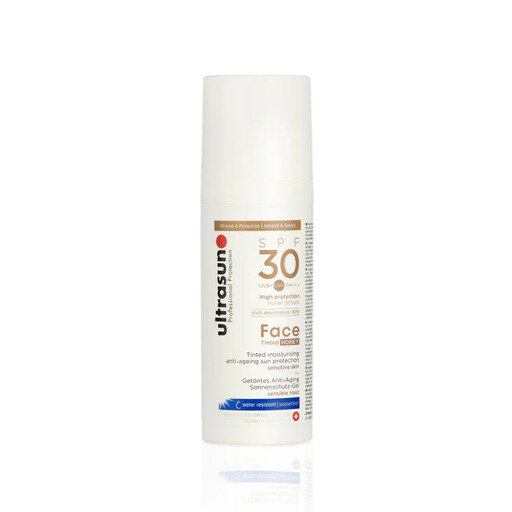
Why This Fits Their Persona: This user wants a multi-tasking product for their morning routine. It needs to act as a moisturiser, primer and protector that sits well under makeup without feeling heavy or greasy during a daily commute.
Its lightweight, non-greasy formula is designed for daily wear and absorbs quickly, directly countering the "greasy and pilling" pitfall that makes other sunscreens unusable under makeup.
Combines daily moisturiser, primer and sun protection in one step. The adaptive tint provides a light, radiant finish suitable for sensitive skin.
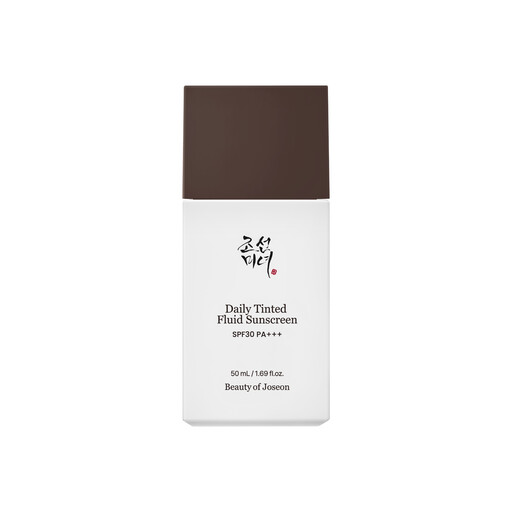
Why This Fits Their Persona: This user has a deeper skin tone and is tired of wasting money on mineral sunscreens that leave an ashy cast. They want an elegant, lightweight fluid that offers protection while seamlessly blending into their skin.
This formula is specifically engineered to solve the "white cast" problem. The rich pink-toned tint in shade DP320 is designed to blend invisibly into deep skin with cool undertones.
Features a 100% mineral filter with zero white cast. The serum-light fluid texture feels weightless and contains Artemisia Capillaris to soothe sensitive skin.
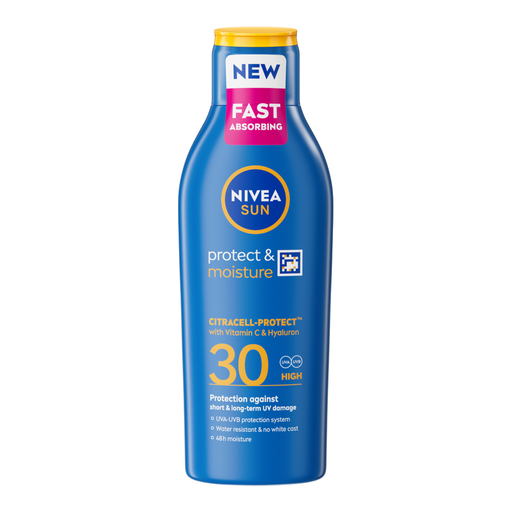
Why This Fits Their Persona: This shopper needs a reliable, no-fuss and affordable option for the whole family. They are looking for a larger bottle that provides effective, water-resistant protection for a beach holiday or days out in the park.
This is a straightforward moisturising lotion, not a finicky fluid. Its purpose is clear: to provide lasting hydration and reliable protection, avoiding the pilling issues that can occur with more complex facial formulas.
Provides immediate UVA/UVB protection and is water-resistant. The formula is designed to keep skin moisturised for up to 48 hours, making it great for long days outdoors.
We have compiled a complete, real-time list of products that fully satisfy these strict selection criteria and UK safety regulations.
A commonly cited guideline for the face is the "two-finger rule." Squeeze a line of sunscreen onto your index and middle fingers from base to tip. This amount is generally considered sufficient to provide the level of protection stated on the bottle for your face and neck. Applying less will significantly reduce the SPF.
While you can, it's not always ideal. Body sunscreens are often thicker and more occlusive, which could feel heavy or lead to clogged pores and breakouts on the face, especially for those with oily or acne-prone skin. An SPF 30 face cream is specifically formulated to be lighter, non-comedogenic and to work well with other facial skincare products.
For most people and for typical UK sun exposure, SPF 30 is considered to provide adequate high protection when applied correctly and reapplied regularly. It blocks approximately 97% of UVB rays. The most critical factor is not just the SPF number, but applying it generously and reapplying at least every two hours and immediately after swimming or heavy sweating.