
24/7 Customer Support

Free returns

Same-day & Next-day Delivery

Quality Guaranteed

Unlock Your Welcome Offers: FREE Delivery | Up to 80% OFF | Free 30-day JoyPlus trial
Download the APP
Choosing an SPF 30 sunscreen can seem straightforward until you compare lotions, sprays, tinted formulas and moisturisers. Product labels often highlight hydration, tanning or anti-ageing benefits, while the practical details that affect daily use may receive less attention.
For UK shoppers, the right choice depends on where you will apply it, how much sun exposure you expect and whether the formula suits your skin. This guide explains the key checks to make before buying, followed by our top recommendations for different needs.
SPF mainly indicates protection against UVB rays, which are associated with sunburn. It does not, by itself, tell you how well a product protects against UVA rays, which contribute to longer-term skin damage and photo-ageing.
Look for clear UVA information on the packaging, such as a UVA mark or wording confirming UVA and UVB protection. Also remember that SPF 30 does not allow unlimited time in direct sunlight. Protective clothing, shade and avoiding intense midday sun remain important.
A high SPF rating assumes that the product is applied generously and evenly. Using a thin layer of face sunscreen SPF 30 or body sunscreen SPF 30 can significantly reduce the protection achieved.
A product that feels pleasant but is difficult to spread may encourage under-application. Sprays and fluid formulas can be convenient, but you still need to apply enough and spread the product across every exposed area.
A moisturising sunscreen, anti-ageing day cream SPF 30 or sunscreen foundation can be useful in a morning routine. However, skincare or make-up is not automatically a substitute for a dedicated sunscreen layer.
Foundation and tinted products are commonly applied more thinly than sunscreen. For extended outdoor exposure, use a suitable sunscreen underneath and reapply as directed.
SPF 30 is a practical choice for everyday outdoor use, commuting, garden activities and many holidays. Check that the product also provides clearly stated UVA protection. Some products describe this as broad-spectrum protection, while others use a separate UVA rating.
For a face sunscreen SPF 30, consider whether the finish works under make-up. A non-greasy sunscreen may be more comfortable for combination or oily skin, while a richer moisturising sunscreen may suit dry skin.
A water-resistant sunscreen can be useful for swimming, sport and hot-weather travel. Water resistance does not mean the product remains fully intact after swimming or towel drying. Reapplication is still necessary.
For body use, lotions in 150–200ml sizes are practical for holidays and regular outdoor activities. Aerosol formats can be convenient for arms and legs, but do not spray directly onto the face and take care around flames or heat sources.
If your skin is easily irritated, check the full ingredient list and consider a fragrance-free sunscreen. Fragrance-free does not guarantee that a product will suit everyone, so patch testing can help identify potential discomfort before wider use.
Tinted sunscreen SPF 30 and sunscreen foundation products can help even the appearance of skin tone. Check the shade carefully, particularly when buying online, and remember that tint is primarily a cosmetic feature rather than a measure of UV protection.
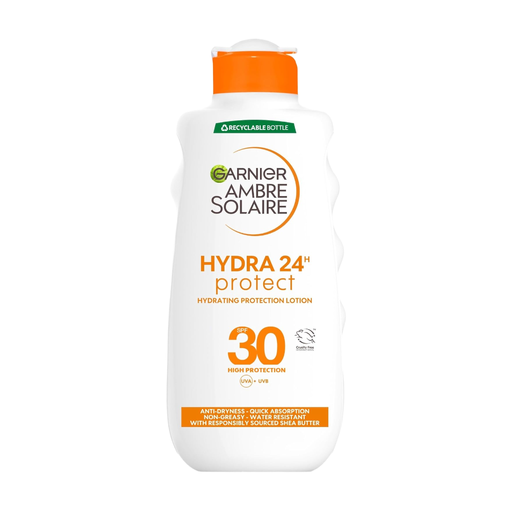
Why This Fits Their Persona: A practical option for shoppers wanting one body sun cream for regular outdoor use, with a 175ml format suitable for keeping at home or packing for a day out.
Its listed features specify UVA and UVB protection, water resistance and a fast-absorbing texture, rather than relying only on a general SPF statement.
175ml size; contains glycerin and shea butter; listed as water resistant and non-greasy.
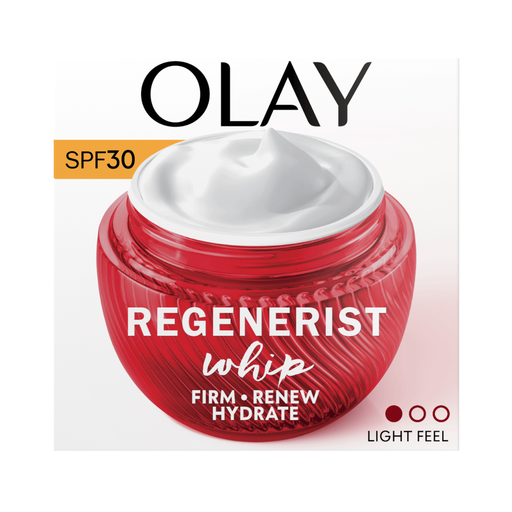
Why This Fits Their Persona: Suitable for shoppers who prefer a face moisturiser with SPF for a streamlined daytime skincare routine and a matte, shine-free finish.
The product is clearly positioned as a daily moisturiser with SPF 30, so shoppers can judge it as skincare rather than expecting foundation-level coverage.
50ml face format; lightweight cream-to-liquid feel; matte finish; suitable for normal, dry and oily skin according to the listing.
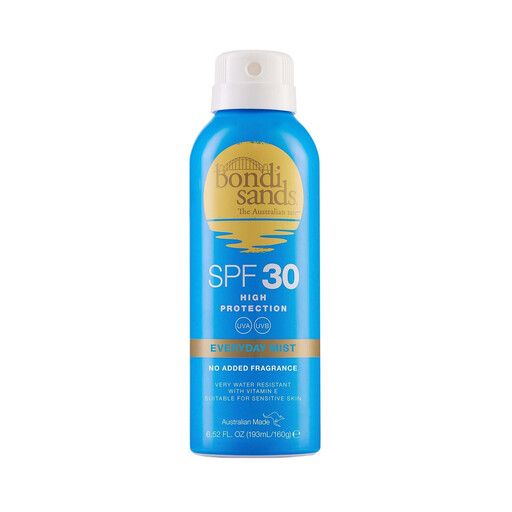
Why This Fits Their Persona: A convenient choice for holidaymakers, walkers and outdoor users who want a fragrance-free body sunscreen in an aerosol mist format.
The fragrance-free specification helps avoid buying a scented formula when that is a personal priority. The instructions also emphasise even application and regular reapplication.
160g aerosol mist; listed UVA and UVB protection; non-comedogenic formula; aloe vera and saccharide; fragrance free.
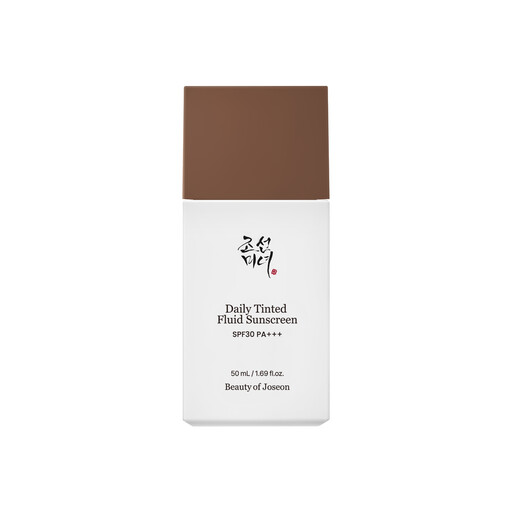
Why This Fits Their Persona: Designed for shoppers seeking a tinted sunscreen SPF 30 that combines lightweight complexion coverage with daily face protection.
Its tint is presented as sheer, buildable coverage, making it easier to distinguish cosmetic evening from full foundation coverage.
50ml fluid; SPF 30 PA+++; zinc oxide listed; tinted finish designed to even the appearance of skin tone.
We have compiled a complete, real-time list of products that fully satisfy these strict selection criteria and UK safety regulations.
SPF 30 can suit everyday outdoor exposure when applied generously and reapplied correctly. People with very fair or sun-sensitive skin, or those spending prolonged periods in strong sunlight, may prefer a higher SPF. UVA protection, shade and protective clothing remain important at any SPF level.
The usable period varies by product. Check the packaging for the open-jar symbol, expiry information or manufacturer instructions. Changes in smell, colour or texture can indicate that a product should no longer be used. Store sunscreen away from excessive heat and direct sunlight.
Usually, it is safer to treat sunscreen foundation as make-up with added SPF rather than as your only protection during extended outdoor exposure. Foundation is often applied in a smaller quantity than required for the labelled SPF. A dedicated face sunscreen SPF 30 underneath can provide a more practical base for outdoor use.