
24/7 Customer Support

Free returns

Same-day & Next-day Delivery

Quality Guaranteed

Unlock Your Welcome Offers: FREE Delivery | Up to 80% OFF | Free 30-day JoyPlus trial
Download the APP
Choosing SPF 30 sunscreen sounds straightforward, but product labels can make comparison difficult. A face sunscreen SPF 30 may have a smooth, make-up-friendly finish yet be unsuitable for full-body use, while a large bottle of SPF 30 sun cream may offer better value but feel heavy on the face.
The right choice depends on more than the number on the front. Before buying, check UVA coverage, application quantity, water resistance, skin compatibility and whether the texture suits your routine.
SPF mainly indicates protection against UVB, the rays associated with sunburn. It does not, by itself, describe UVA coverage. UVA contributes to longer-term skin damage and can pass through light cloud and windows.
Look for wording such as UVA and UVB protection, broad-spectrum protection or the recognised UVA symbol on packaging. Products with PA ratings, such as PA+++ in some imported formulas, provide an additional indication of UVA protection, but UK shoppers should still check the complete product label.
Water-resistant sunscreen is designed to retain protection for a stated period during swimming or sweating. It still needs reapplying after towelling, swimming or heavy perspiration. No sunscreen removes the need for shade, protective clothing, a hat and sunglasses.
A water-resistant sunscreen is useful for holidays and outdoor activities, but it is not a reason to apply less product or stay outside for longer.
A lightweight fluid, mist or stick can be convenient, but convenience does not replace adequate coverage. Applying too little sunscreen can significantly reduce the protection indicated on the label.
For the face and neck, many products suggest approximately two finger lengths, although the packaging instructions should take priority. For the body, apply generously and evenly to every exposed area, including ears, shoulders, hands and the tops of feet.
SPF 30 is a practical level for everyday UK use, commuting, outdoor errands and moderate exposure. For prolonged direct sun, particularly on a beach holiday or during outdoor sport, follow the product instructions closely and consider whether a higher SPF is more appropriate for your circumstances.
Do not rely on SPF alone. A suitable product should clearly indicate UVA and UVB protection and provide directions for reapplication.
For sensitive skin, consider fragrance-free options and review ingredients carefully. “Sensitive skin sunscreen” is not a guarantee that irritation is impossible, so patch testing can be sensible when introducing a new formula.
Those with dry skin may prefer glycerin, hyaluronic acid, aloe or emollient ingredients. Oily or acne-prone users may prefer fluid, non-greasy or non-comedogenic descriptions, alongside a finish that does not feel congested.
Deeper skin tones may wish to consider a tinted or sheer formula that blends without a noticeable cast. Shade selection matters: undertones may be described as warm, cool, neutral, pink or yellow.
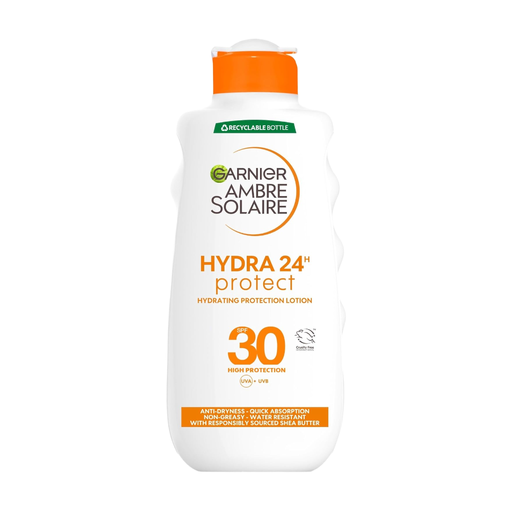
Why This Fits Their Persona: A 175ml format suits shoppers building an everyday body sun-care routine for parks, commutes and holidays without starting with a small face-only tube.
The product description identifies UVA and UVB protection, a fast-absorbing texture and water resistance, so it is not relying on SPF labelling alone.
Shea butter and glycerin are listed in the formula, alongside a non-greasy, water-resistant format for body use.
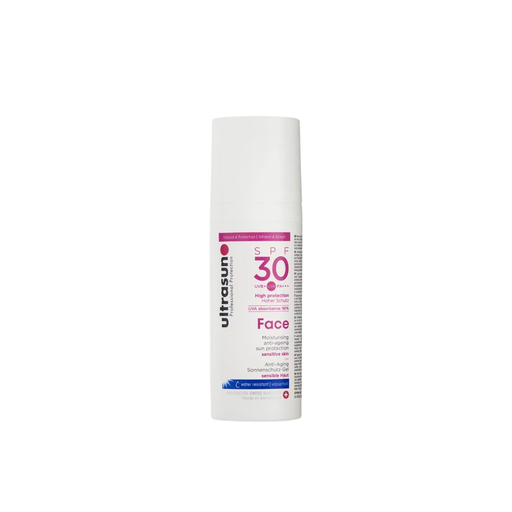
Why This Fits Their Persona: Designed for face use, this is suited to adults who want a lightweight daily layer that can sit beneath foundation or other make-up.
Its face-specific design helps avoid substituting a heavy body lotion for a product intended to layer under make-up. The listing also specifies a non-greasy texture.
The formula includes glycerin, silica and Ectoin, and is described as lightweight, non-comedogenic and suitable for sensitive skin.
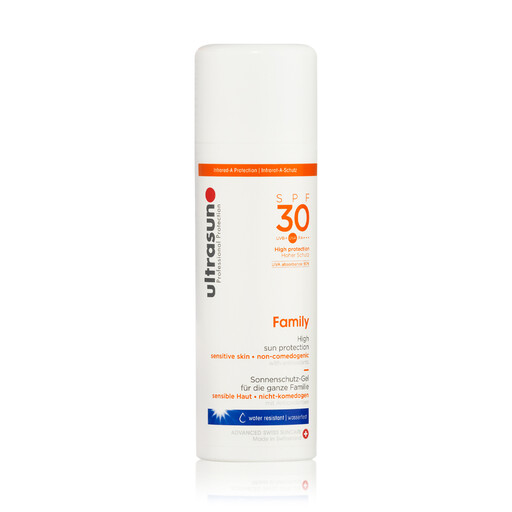
Why This Fits Their Persona: A face-and-body format is practical for families, beach trips and active days when one household product needs to cover several users.
The listing specifies water resistance and suitability for face and body, reducing the risk of buying a face-only formula for swimming or family use.
It is described as perfume-free and oil-free, with a lamellar formula intended for long-lasting, water-resistant protection.
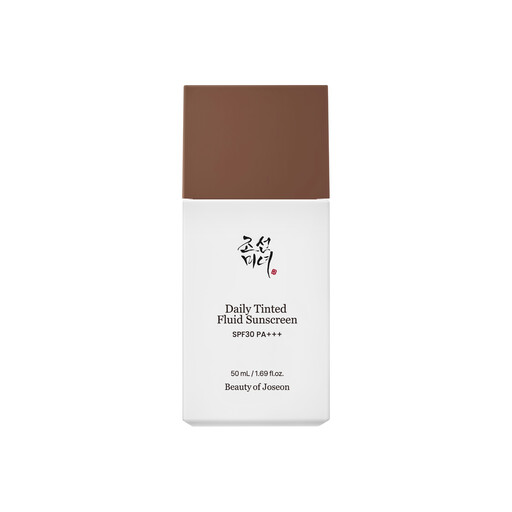
Why This Fits Their Persona: The DY330 shade is intended for deeper complexions with warm or golden undertones and offers sheer, buildable coverage for everyday wear.
Its tint addresses the white-cast concern often associated with mineral formulas. Shaking well is essential so the zinc oxide and pigments distribute evenly.
It contains 20.9% zinc oxide, iron oxide pigments and silica, with a fluid texture designed to leave a breathable, balanced finish.
Check the product packaging for storage advice, expiry information and any specific warnings. Stop using a formula if discomfort or irritation develops.
We have compiled a complete, real-time list of products that fully satisfy these strict selection criteria and UK safety regulations.
SPF 30 can suit routine exposure such as commuting, walking and outdoor errands when applied correctly. Reapply during prolonged exposure, and use shade, clothing and a hat as additional protection.
This depends on the bottle size, the number of people using it and how generously it is applied. Body products are consumed faster than face-only formulas, particularly on family holidays. Check the expiry date and period-after-opening symbol rather than keeping an opened product indefinitely.
Yes. A lightweight face formula or tinted sunscreen can work under make-up. Apply the full recommended amount first, allow it to settle and then apply foundation. Mixing sunscreen into foundation or moisturiser can make the final SPF unreliable, so layer the products instead.