
24/7 Customer Support

Free returns

Same-day & Next-day Delivery

Quality Guaranteed

Unlock Your Welcome Offers: FREE Delivery | Up to 80% OFF | Free 30-day JoyPlus trial
Download the APP
Choosing an SPF 30 sunscreen should be straightforward, but product descriptions often make it harder than necessary. A dewy finish, “waterproof” claim or botanical ingredient may attract attention, yet these features do not automatically make a formula suitable for your skin or routine.
For UK adults and families, the practical questions are: does it offer suitable UVA and UVB protection, can you apply enough without discomfort and will you remember to reapply it? This guide explains the specifications worth checking and matches several options to different lifestyles.
SPF mainly indicates protection against UVB, the rays associated with sunburn. It does not, on its own, explain the level of UVA protection. Look for a clear UVA mark, UVA wording or a recognised UVA rating on the packaging. PA ratings, such as PA+++ on some facial products, are another way brands communicate UVA performance, although rating systems can vary.
Even SPF 30 does not permit unlimited time in direct sunlight. Shade, clothing, a hat and sunglasses remain important, particularly during strong sunshine and outdoor activities.
A water-resistant sunscreen can be useful for swimming, sweating or holidays, but water resistance reduces with bathing, towelling and exercise. It is not a reason to skip reapplication. Some lotions are suitable for the face and body, while others are designed mainly for facial use, so check the product directions before applying.
A glittering essence, tinted fluid or thick body lotion may look appealing, but reducing the amount makes the stated protection less representative of the protection you receive. A sunscreen that feels comfortable and fits your routine is more practical than one that remains unused in a cupboard.
SPF 30 is a useful everyday level for many UK routines, including commuting, walking and casual outdoor exposure. For prolonged summer exposure, holidays or activities at the beach, follow the label carefully and consider whether a higher SPF would better suit your circumstances.
For broad protection, check for both SPF 30 and UVA coverage. A product listing should also provide directions, warnings and ingredient information. The UK product label is the final reference, as formulas and packaging details can change.
A face sunscreen SPF 30 usually focuses on texture, eye-area comfort, make-up compatibility and a less greasy finish. A body sunscreen SPF 30 generally comes in a larger bottle and is designed for faster coverage across arms, legs and torso.
Some products, such as family lotions, can be used on both face and body. This can simplify packing, but facial users should still check whether fragrance, alcohol or richer emollients suit their preferences.
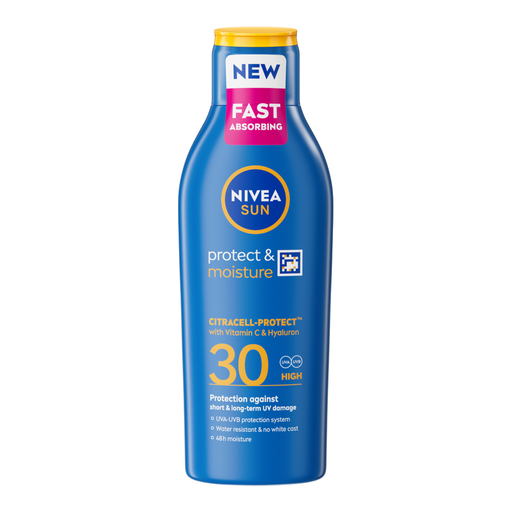
Why This Fits Their Persona: A 200ml lotion is practical for regular body use, family holidays and everyday walks when shoppers want moisturisation alongside SPF 30 protection.
Its water-resistant format still comes with reapplication guidance after swimming, sweating or towelling, rather than presenting resistance as permanent.
UVA and UVB protection, glycerin and vitamin E, plus a 200ml format for shared body use.
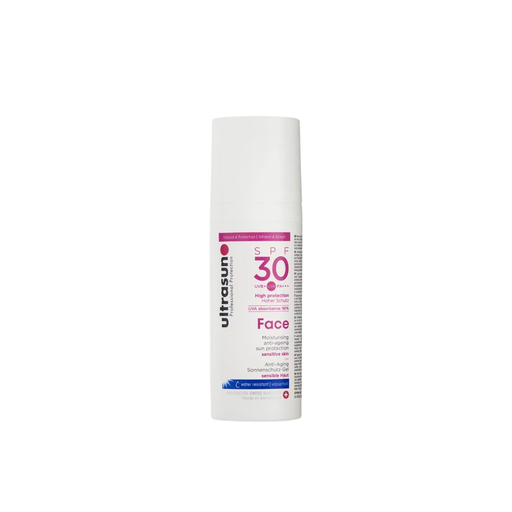
Why This Fits Their Persona: Designed for facial use, it suits shoppers who prioritise a lightweight, non-greasy texture that can sit beneath make-up or form part of a daily skincare routine.
Its face-specific directions state a measured application approach and advise allowing the product to absorb before make-up.
50ml face format, lamellar technology and a formula containing glycerin, silica and ectoin.
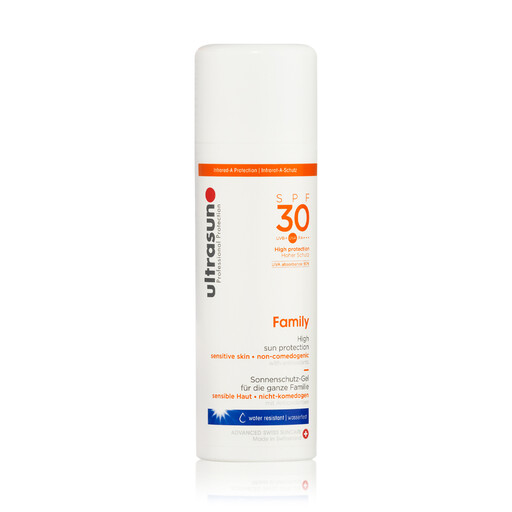
Why This Fits Their Persona: A face-and-body option for households, beach trips and extended outdoor days where a water-resistant format is useful.
The product information specifies indoor application before exposure and reapplication after swimming or towelling.
150ml family size, perfume-free formula and stated UVA, UVB and Infrared-A coverage.
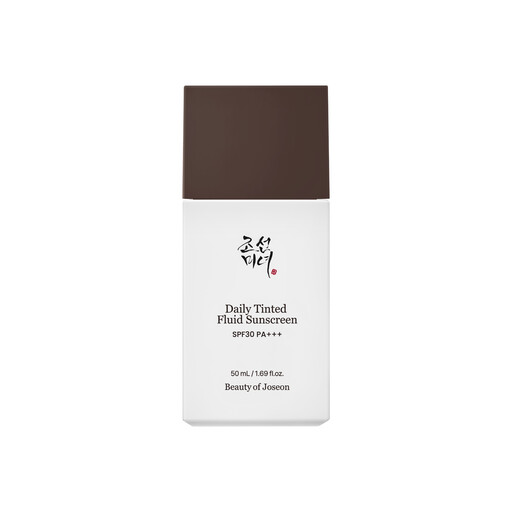
Why This Fits Their Persona: The pink-toned DP320 shade is intended for deeper complexions with cool or pink undertones and can provide sheer, even-looking coverage.
Its tint can help address the visible cast associated with mineral formulas, while the listing clearly states that insufficient quantity lowers protection.
20.9% zinc oxide, PA+++ marking and a fluid texture designed for a breathable make-up base.
We have compiled a complete, real-time list of products that fully satisfy these strict selection criteria and UK safety regulations.
For many ordinary daily activities, SPF 30 can be a practical choice when applied generously and reapplied as directed. Direct, prolonged exposure, holidays and outdoor sport require extra care, including shade and protective clothing. Consider your exposure level rather than relying on the number alone.
Some family and body lotions state that they are suitable for the face, but not every body formula is designed for facial preferences. Check the label and consider fragrance, texture and eye-area comfort before use. A dedicated face sunscreen SPF 30 may sit more neatly under make-up.
A tinted sunscreen can provide sheer, complexion-evening colour, but coverage varies by shade and application. It should be applied in the quantity needed for its stated SPF, rather than reduced to create a lighter make-up finish. Reapply during prolonged exposure, even if this disturbs make-up.