
24/7 Customer Support

Free returns

Same-day & Next-day Delivery

Quality Guaranteed

Unlock Your Welcome Offers: FREE Delivery | Up to 80% OFF | Free 30-day JoyPlus trial
Download the APP
Choosing an SPF 30 sunscreen should be straightforward, but product packaging can make comparison difficult. A lotion may promise hydration, glow or water resistance while leaving important details unclear: does it protect against UVA as well as UVB, will it suit your face, and can you apply enough without feeling uncomfortable?
This guide cuts through common marketing traps and matches different types of UK shoppers with suitable options.
SPF mainly indicates protection against UVB, the rays associated with sunburn. It does not, by itself, tell you how well a product protects against UVA, which contributes to longer-term skin damage and photo-ageing.
For broad coverage, check the packaging for UVA protection, a UVA circle or a stated UVA rating. UK and European products may also show a UVA star rating, where more stars indicate stronger UVA protection within the product’s range.
No sunscreen remains fully effective indefinitely in water. Water-resistant sunscreen can offer more practical protection during swimming or sweating, but it still needs to be reapplied after swimming, towelling or heavy perspiration.
If you are buying body sunscreen SPF 30 for walking, gardening or beach trips, select a water-resistant formula and treat reapplication as essential rather than optional.
Using a thin layer can make a product feel more comfortable, but it also reduces the protection achieved. Face products generally require around two finger lengths for the face and neck, while body coverage requires a generous, even layer over all exposed areas.
A small facial bottle may therefore run out faster than expected. Compare the product size and intended coverage, not just the shelf price.
SPF 30 is a useful daily level for many UK routines, particularly for commuting, errands and ordinary outdoor exposure. However, UV exposure can still be significant on bright or overcast days, especially during holidays or extended time outdoors.
Look for wording that confirms UVA and UVB protection, and follow the manufacturer’s instructions for application and reapplication. Sunscreen should be combined with shade, clothing, a hat and sunglasses. Babies and young children should be kept out of direct sunlight.
A mineral sunscreen commonly uses filters such as zinc oxide or titanium dioxide. Mineral formulas may appeal to shoppers who prefer this filter type, although they can sometimes leave a visible cast or transfer to clothing.
Tinted sunscreen uses pigments to add light coverage and can reduce the visible whiteness associated with some mineral formulas. It may work as a make-up-friendly base, but shade matching matters. Check the undertone and apply enough product for the labelled SPF rather than using it like foundation.
A face sunscreen SPF 30 is usually designed for lighter application, make-up compatibility or a more refined finish. Body lotions tend to come in larger bottles and may prioritise spreadability and moisturising.
For dry skin, consider a moisturising sun lotion containing humectants such as glycerin. For sensitive skin, inspect the full ingredient list for fragrance or other ingredients that may cause an individual reaction. Patch testing can help identify compatibility before applying a new product widely.
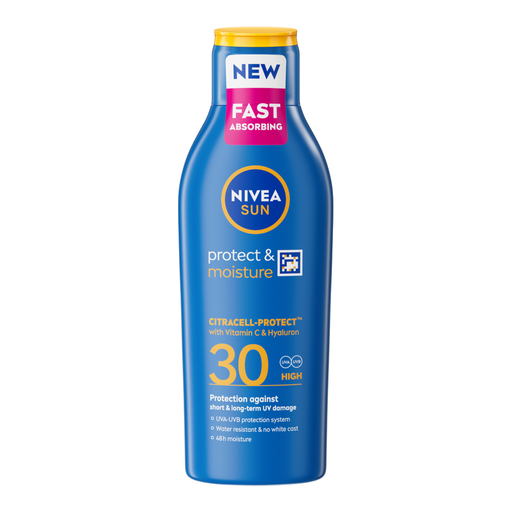
Why This Fits Their Persona: A 200ml body lotion suits everyday family use, commuting and keeping a larger bottle available for repeated application.
It lists UVA and UVB protection and a water-resistant formula, so shoppers are not relying on the SPF number alone.
Includes glycerin and Vitamin E, with up to 48-hour moisturising claimed in the product information.
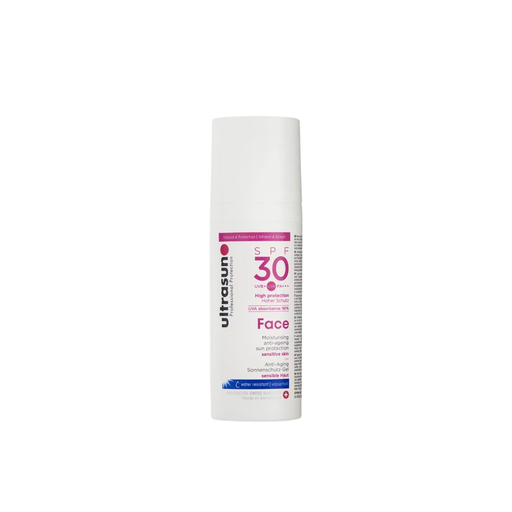
Why This Fits Their Persona: Designed for daily facial use, it suits shoppers who want sunscreen that can sit beneath make-up or replace a separate morning primer.
The product information identifies a lightweight, non-greasy texture and broad-spectrum UVA/UVB protection rather than focusing only on cosmetic claims.
Contains glycerin and Ectoin, and uses a 50ml face-specific format.
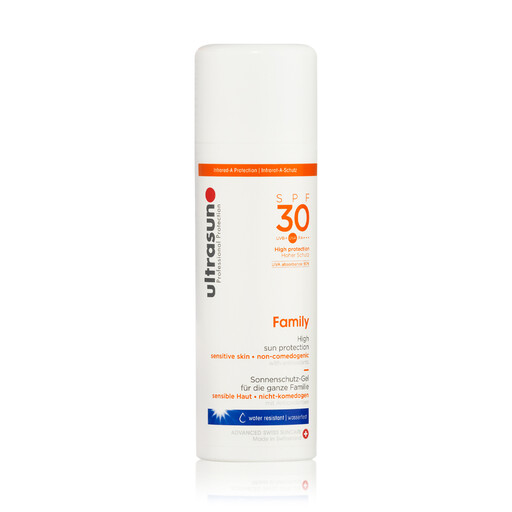
Why This Fits Their Persona: A face-and-body option for families, holidays, outdoor sports and shoppers who need a formula suitable for sensitive skin.
The formula is described as water-resistant and free from perfume, oils and emulsifiers, helping avoid assumptions based on vague “family” wording.
Suitable for face and body, with lamellar technology and water-resistant protection stated in the product details.
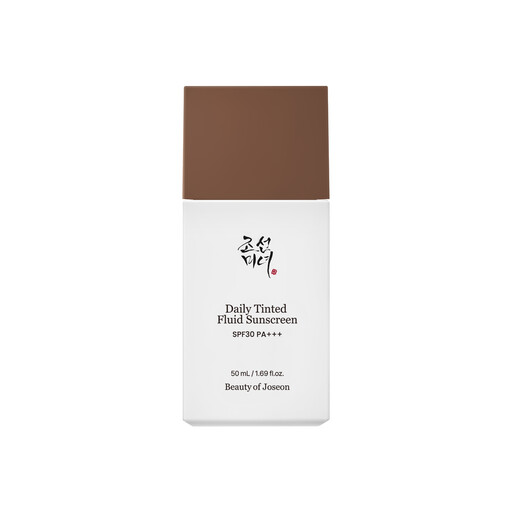
Why This Fits Their Persona: The fluid texture and tint suit shoppers seeking a light complexion-evening effect and a soft satin finish in one face sunscreen SPF 30.
It identifies zinc oxide as the mineral filter and states SPF 30 PA+++, making the protection information easier to compare with cosmetic finish claims.
A lightweight tinted mineral formula with iron oxide pigments and a 50ml face format.
We have compiled a complete, real-time list of products that fully satisfy these strict selection criteria and UK safety regulations.
SPF 30 can suit regular daily activities when applied correctly, but no sunscreen blocks all UV exposure. For long periods outdoors, holidays or strong sunlight, use generous application, reapply regularly and add shade, clothing and a hat.
The practical lifespan depends on the product’s packaging and the open-jar symbol. Check the stated period after opening, storage guidance and expiry information. Replace sunscreen if its colour, smell or texture changes, even if the date has not passed.
Some body lotions can be used on the face, but they may feel heavier or contain fragrance. A face-specific product is usually easier to layer with skincare and make-up. Always check the label and avoid the eye area.