
24/7 Customer Support

Free returns

Same-day & Next-day Delivery

Quality Guaranteed

Unlock Your Welcome Offers: FREE Delivery | Up to 80% OFF | Free 30-day JoyPlus trial
Download the APP
Navigating the world of daily facial sunscreen can feel overwhelming. With countless products promising flawless protection, it is easy to fall for marketing claims that do not hold up in real-world use. As a daily essential for protecting your skin from premature ageing and sun damage, choosing the right SPF 50 face sun cream is a decision worth getting right.
However, many shoppers find themselves disappointed. A product that looks great online can end up being a poor match for their skin or lifestyle. Before you make a purchase, it is crucial to understand the common pitfalls that lead to wasted money and inadequate protection.
To avoid these traps, focus on a few key technical specifications. This will help you filter out unsuitable options and find a formula that you will genuinely enjoy using every day.
A high SPF is only part of the story. For comprehensive protection, your daily facial sunscreen must be "broad-spectrum," meaning it defends against both types of harmful UV rays.
The way a sunscreen feels and looks on your skin is just as important as its protective qualities. If you do not like wearing it, you will not apply it consistently. Modern formulas come in various textures designed for different skin types and preferences.
Based on these practical criteria, we have identified several products that align with specific user needs and preferences.
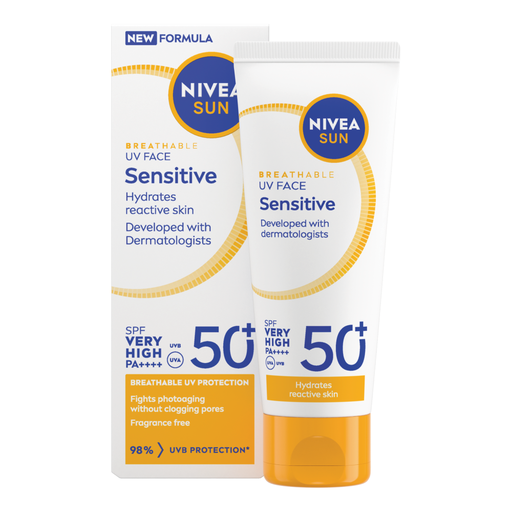
Why This Fits Their Persona: This user needs a reliable, non-irritating daily sunscreen that feels comfortable during a busy commute and sits invisibly under makeup. This formula is specifically developed for reactive skin.
It directly addresses the "greasy feel" trap with a 0% greasy, non-comedogenic formula. Its high-tolerance design minimises the risk of irritation, a hidden pitfall for those with sensitive skin.
Dermatologically approved for sensitive skin, it provides soothing ingredients and a lightweight, invisible finish that is ideal for layering.
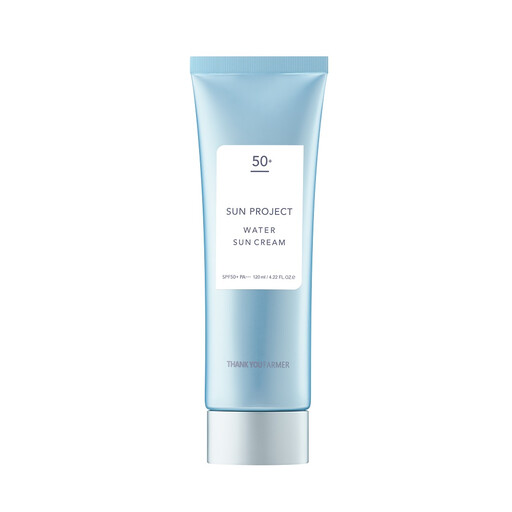
Why This Fits Their Persona: This user wants their sunscreen to feel like a luxurious moisturiser. They prioritise a dewy, "glass skin" glow and deep hydration over a matte finish.
It sidesteps the "invisible finish" trap by being formulated for a transparent, radiant glow with zero white cast. Its texture is more like a hydrating cream, avoiding the heavy feel of traditional sunscreens.
Delivers intense hydration with ingredients like Bamboo Water and Centella Asiatica, making it ideal for reviving dry or dehydrated skin. The PA+++ rating ensures strong UVA protection.
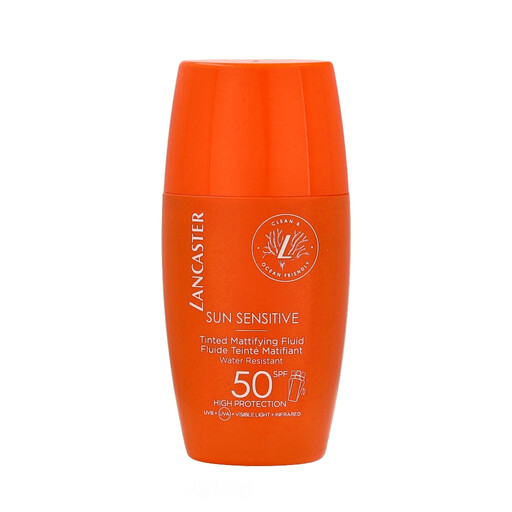
Why This Fits Their Persona: Ideal for someone with combination or oily skin who wants high protection without any shine. They need a product that controls oil and provides a smooth, matte base for the day.
This fluid is the antidote to the "greasy sunscreen" trap. Its "dry touch" finish actively controls shine. The adaptive tint also helps avoid any potential white cast, providing a natural, even complexion.
It features Lancaster's Full Light Technology, which targets UVA, UVB, visible light and infrared rays for very broad protection. The mattifying finish works beautifully as a makeup primer.
We have compiled a complete, real-time list of products that fully satisfy these strict selection criteria and UK safety regulations.
For adequate protection, the general guidance is to apply about two finger-lengths of product for your face and neck. A common mistake is applying too little, which significantly reduces the stated SPF level. Ensure you cover your entire face, including your ears, eyelids and hairline.
While you can in a pinch, it is not ideal for daily use. Facial sunscreens are specifically formulated to be lighter, less greasy and non-comedogenic (less likely to clog pores). Body sunscreens can be thicker and may cause breakouts or feel uncomfortably heavy on the delicate skin of the face.
Yes, absolutely. Up to 80% of the sun's UVA rays can penetrate through clouds, fog and glass. Since UVA rays are a major contributor to skin ageing, wearing a broad-spectrum SPF 50 face sun cream every day, regardless of the weather, is one of the most effective steps you can take to protect your skin's long-term health and appearance.