
24/7 Customer Support

Free returns

Same-day & Next-day Delivery

Quality Guaranteed

Unlock Your Welcome Offers: FREE Delivery | Up to 80% OFF | Free 30-day JoyPlus trial
Download the APP
Finding the right daily sunscreen can feel like a full-time job. The shelves are packed with options, all promising flawless protection. Yet, many of us have a drawer filled with half-used bottles that were too greasy, left a ghostly white cast or caused breakouts. A high SPF number is a good start, but it doesn't guarantee a product you'll actually want to wear every day.
Before you spend another pound on a sun cream that ends up in the bin, let's look at the common pitfalls that catch UK shoppers out. Understanding these will help you see past the marketing hype and choose a formula that truly works for your skin and lifestyle.
To ensure you're getting effective and wearable protection, focus on these key parameters rather than just the marketing claims on the front of the bottle.
Understanding the engine behind your sunscreen is crucial, especially if you have reactive skin.
As mentioned, UVB protection (SPF) is only half the story. You need robust protection from UVA rays too. In the UK, look for the UVA star rating on the packaging. This system, ranging from one to five stars, indicates the ratio of UVA to UVB protection. A product with a high SPF and a 5-star UVA rating offers excellent, well-rounded broad spectrum UVA UVB protection.
The most effective sunscreen is the one you'll wear consistently. Consider your skin's needs:
We've filtered through the options to match specific needs with products that deliver on their promises.
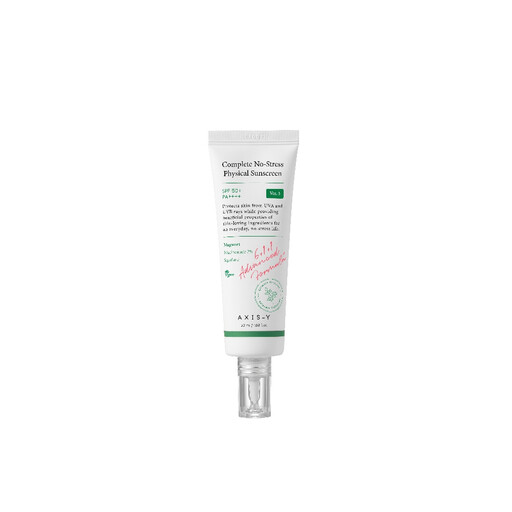
Why This Fits Their Persona: This is ideal for someone whose skin reacts to many chemical filters. Its zinc oxide base provides gentle yet high-level protection, while the formula is packed with soothing ingredients like mugwort and centella to calm irritation throughout the day.
It directly counters the "invisible finish" myth for mineral sunscreens. The modern formulation is designed to spread smoothly without leaving the thick, chalky residue common in older physical blockers.
1. Mineral-Based: Uses zinc oxide, which is well-tolerated by sensitive skin.
2. Soothing Formula: Contains niacinamide, squalane and plant extracts to reduce redness and support the skin barrier.
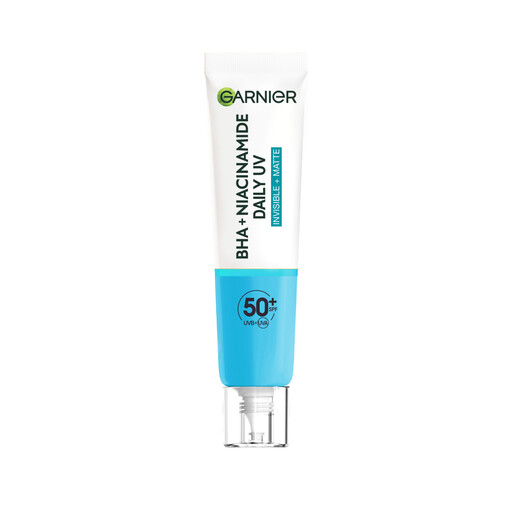
Why This Fits Their Persona: This is a multi-tasking fluid for those managing oiliness and blemishes. It combines high SPF protection with active ingredients (BHA and Niacinamide) known to regulate sebum and soothe skin, helping to improve skin appearance while protecting it.
It tackles the "greasy feel" pitfall head-on. The ultra-light fluid is specifically formulated to provide a mattifying, dry-touch finish that won't add shine or feel heavy on oily skin types.
1. Skincare Actives: Contains BHA (Salicylic Acid) and Niacinamide to target imperfections.
2. Mattifying Finish: Designed to be non-greasy and leave an invisible, matte look on the skin.
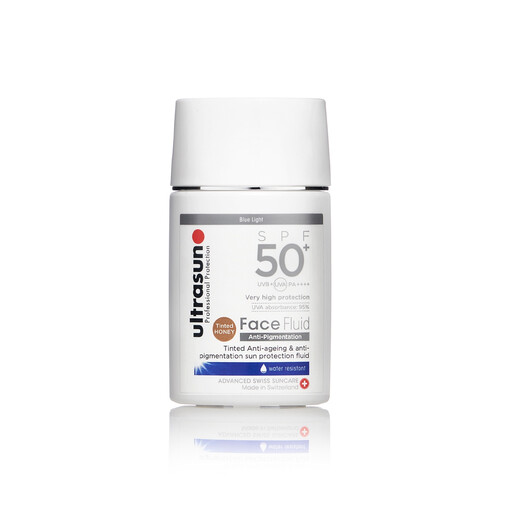
Why This Fits Their Persona: This is for the user who wants protection and treatment in one. It provides very high, broad-spectrum defence while also containing ingredients aimed at preventing and reducing hyperpigmentation. The adaptive tint offers light coverage, perfect for a quick morning routine.
This product moves beyond focusing only on the SPF number. It offers high SPF and broad-spectrum protection while also including active ingredients and a tint, providing a more comprehensive solution for users concerned with photoageing and uneven skin tone.
1. Anti-Pigmentation Focus: Contains ingredients that help manage hyperpigmentation.
2. Tinted Formula: The adaptive tint provides a natural, even finish, acting as a primer or light base.
We have compiled a complete, real-time list of products that fully satisfy these strict selection criteria and UK safety regulations.
The general guidance for the face is the "two-finger rule." Squeeze a line of sunscreen onto your index and middle fingers, from the base to the tip. This amount is roughly what you need to adequately cover your face and neck. Applying less will significantly reduce the level of protection you receive.
While SPF in makeup or a moisturiser is better than nothing, it is often not sufficient for proper protection. To get the advertised SPF, you would need to apply a much thicker layer of foundation than most people would find comfortable. It is always advisable to use a dedicated, high-factor daily sunscreen as the final step in your skincare routine before applying makeup.
Yes. UVA rays, which are responsible for skin ageing, are present year-round and can penetrate through clouds and glass. While UVB rays are weaker in the winter, consistent, daily use of a broad spectrum UVA UVB protection product is a key practice for long-term skin health, even on overcast British days.