
24/7 Customer Support

Free returns

Same-day & Next-day Delivery

Quality Guaranteed

Unlock Your Welcome Offers: FREE Delivery | Up to 80% OFF | Free 30-day JoyPlus trial
Download the APP
Applying a high-factor sunscreen to your face every morning is one of the most effective steps you can take for your skin's long-term health and appearance. Yet, finding the right formula can feel like a chore. Many of us have been put off by thick, greasy textures that leave a white cast or cause makeup to slide off. The good news is that formulations have evolved significantly.
The modern SPF 50 face sunscreen is no longer just a holiday essential; it's a sophisticated skincare product designed for daily use. This guide is here to help you navigate the options and find a formula that you will genuinely enjoy applying every single day. We will look at what to consider when choosing a product and highlight a few standout options that cater to different skin needs and preferences.
With so many choices available, focusing on a few key factors can simplify your decision. Here’s what to keep in mind when searching for your ideal daily protection.
The way a sunscreen feels and looks on your skin is paramount for daily use. If you dislike the texture, you are less likely to apply it consistently. Modern formulas come in various forms, from lightweight fluids and serums to hydrating creams. If you have oily or combination skin, or simply dislike the feeling of product on your face, look for a lightweight face sunscreen or a non-greasy SPF 50 for face. For those who wear makeup, finding a good sunscreen for under makeup is crucial; it should absorb quickly and create a smooth, non-pilling base.
Today's sunscreens are often multi-tasking formulas packed with beneficial ingredients. This allows you to protect your skin while also addressing specific concerns. For example, a hydrating face sunscreen might contain hyaluronic acid to plump and moisturise dry skin. If you have reactive skin, a sunscreen for sensitive face UK formulations often include soothing ingredients like ceramides or centella asiatica to support the skin barrier. For those concerned with uneven tone, an anti-pigmentation sunscreen SPF 50 can contain ingredients that help to manage the appearance of dark spots.
An SPF rating only measures protection against UVB rays, the primary cause of sunburn. However, UVA rays, which are present all year round (even on cloudy days), penetrate deeper into the skin and are a major contributor to premature ageing and pigmentation. Always choose a "broad-spectrum" sunscreen that protects against both UVA and UVB rays. Many products available in the UK also use the PA rating system (PA+, PA++, PA+++, PA++++), which specifically indicates the level of UVA protection.
Here are a few noteworthy options that deliver high protection with elegant formulations suitable for daily wear.
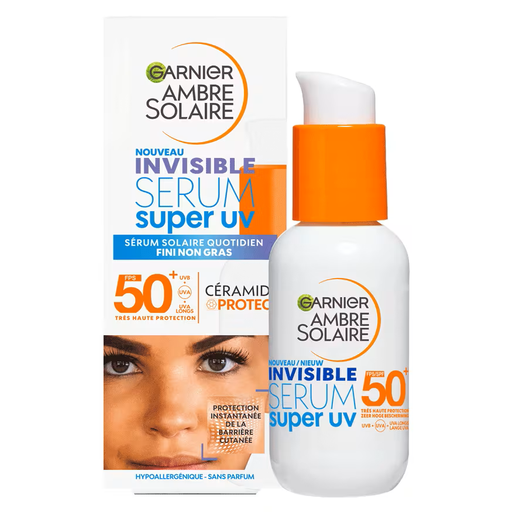
Why It Stands Out: This product redefines what a daily face sunscreen can feel like. Its unique serum texture is incredibly light and absorbs instantly, living up to its name as a truly invisible sunscreen for face. It’s formulated with Ceramide, an ingredient known for helping to reinforce the skin's natural barrier.
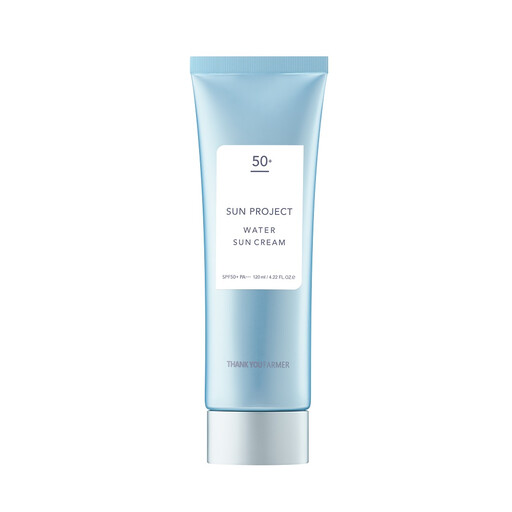
Why It Stands Out: This is a prime example of a hydrating face sunscreen that feels more like a luxurious moisturiser. It delivers a powerful surge of moisture to the skin, leaving behind a dewy, radiant finish without any stickiness or white cast. The formula includes soothing botanicals like Bamboo Water and Centella Asiatica.
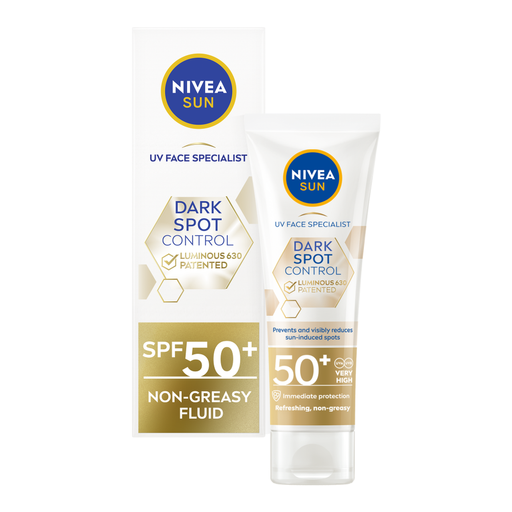
Why It Stands Out: This is a hard-working, dual-action formula that combines high-level sun protection with targeted skincare. It’s an effective anti-pigmentation sunscreen SPF 50, featuring the brand's patented Luminous630 ingredient, which works to visibly reduce the appearance of sun-induced dark spots over time.
Finding the perfect sunscreen is a personal journey, and what works for one person may not be right for another. If these recommendations don't quite match your needs, or if you'd like to explore a wider variety of formulas, browse our full collection.
Explore our range of glowing protection sun cream
1. Do I really need to wear SPF 50 on my face every day in the UK? Yes. UVA rays, which are responsible for premature skin ageing, are present all year, penetrating clouds and glass. Consistent use of a broad-spectrum daily face sunscreen is a fundamental step in protecting your skin from long-term damage, regardless of the weather.
2. Will an SPF 50 face sunscreen feel heavy or cause breakouts? Not necessarily. Many modern sunscreens are specifically designed to be cosmetically elegant. To avoid a heavy feel, look for products described as a lightweight face sunscreen or non-greasy SPF 50 for face. Formulations labelled "non-comedogenic" are developed to not clog pores, making them a better choice for acne-prone skin.
3. Can I use my body sunscreen on my face? While you can in a pinch, it is generally not recommended for daily use. Facial sunscreens are formulated for the more delicate skin on the face. They are typically lighter in texture, less likely to clog pores and often contain beneficial skincare ingredients, making them a much more pleasant and effective option for everyday wear, especially as a sunscreen for under makeup.