
24/7 Customer Support

Free returns

Same-day & Next-day Delivery

Quality Guaranteed

Unlock Your Welcome Offers: FREE Delivery | Up to 80% OFF | Free 30-day JoyPlus trial
Download the APP
For many people in the UK, daily facial sun protection is easy to postpone. A grey morning, a short commute or a desk-based workday can create the impression that sunscreen is only needed on holidays. However, UVA can pass through clouds and windows, while UVB exposure can increase during brighter periods, outdoor activities and travel.
Choosing an SPF 50 face sunscreen is not simply a matter of selecting the highest number on the bottle. The formula needs to suit your skin, routine and intended use. A sunscreen that feels heavy, stings around the eyes or pills under foundation may be left unused, making its stated protection less relevant in practice.
SPF mainly indicates protection against UVB, the rays associated with sunburn. It does not describe UVA protection on its own. Look for clear UVA information, such as the UVA circle, PA rating or wording confirming UVA and UVB protection.
A product labelled SPF50+ but lacking understandable UVA information may not match your expectations for daily facial sun protection, particularly if your priorities include protecting against visible signs of sun exposure.
A lightweight sunscreen for the face can be more comfortable under make-up, but a very fluid formula may not provide the moisturising feel needed by dry or dehydrated skin. Conversely, a rich high-protection face cream may feel uncomfortable on oily or combination skin.
Fragrance, alcohol denat., certain UV filters and botanical ingredients can also be unsuitable for some sensitive users. Always check the current ingredient list on the packaging and patch test a new product if your skin is reactive.
Water-resistant sun cream is designed to retain protection for a stated period during water exposure, but it is not waterproof indefinitely. Swimming, sweating, towelling and rubbing can remove product. Reapplication is still necessary, even when a sunscreen is marketed for outdoor or water-based use.
For regular UK use, SPF50 or SPF50+ provides a high level of UVB protection when applied generously and evenly. In addition to the SPF rating, check for:
No sunscreen blocks all UV. Combine sunscreen with shade, clothing, sunglasses and avoiding prolonged midday exposure where possible.
Using too little product significantly reduces the protection achieved. For the face, neck and exposed ears, many manufacturers suggest a generous two-finger-length amount or a comparable measured quantity. Follow the product label, as packaging instructions take priority.
Apply sunscreen as the final morning skincare step, before make-up. Reapply regularly during extended outdoor exposure and after swimming, heavy perspiration or towelling. A small 30ml tube may be convenient for a handbag but can run out quickly if used every day on the face and neck.
Consider the following practical differences:
The following products are matched to different shopping priorities rather than ranked universally. Product suitability depends on your skin, exposure level and personal preferences.
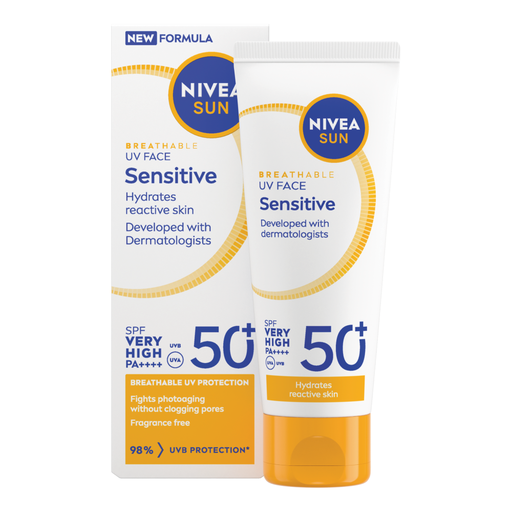
Why This Fits Their Persona: A compact daily facial sunscreen for commuters and shoppers beginning a consistent SPF routine, including people who prefer a lightweight cream for use under make-up.
It provides stated SPF50+, PA++++ and broad UVA/UVB protection, while its non-comedogenic, non-greasy positioning addresses the common problem of abandoning heavy facial products.
40ml facial format; contains glycerin and panthenol; invisible finish described as suitable for layering.
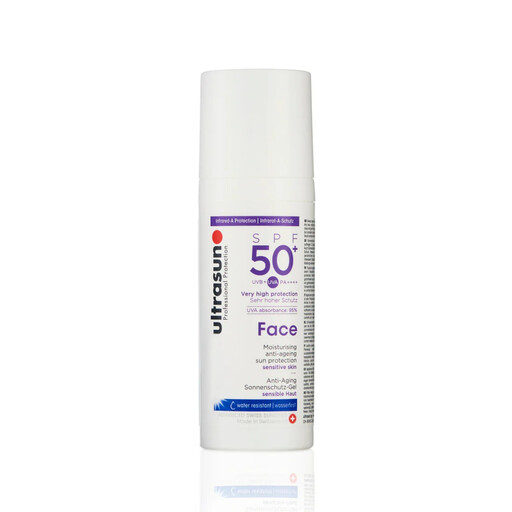
Why This Fits Their Persona: Suits shoppers seeking a dedicated daily face formula that can sit alongside skincare and make-up during commuting, office days and regular outdoor exposure.
Its stated non-comedogenic, lightweight texture and primer-style positioning focus on wearability rather than relying only on a high SPF number.
Uses lamellar technology as described by the manufacturer; contains glycerin and Ectoin; 50ml size.
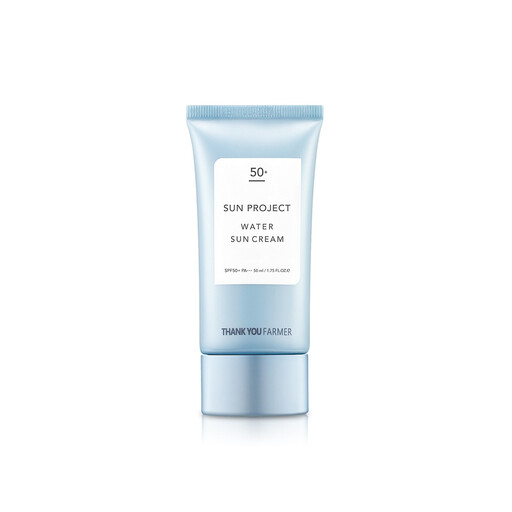
Why This Fits Their Persona: Appropriate for shoppers who prefer a moisturising sunscreen with a dewy finish and want to combine morning hydration with daily UV protection.
The water-gel description and dewy finish make its texture clear, helping shoppers avoid expecting a dry, powdery sunscreen from a hydrating formula.
Contains bamboo water, centella asiatica and sodium hyaluronate; stated SPF50+ PA+++ protection.
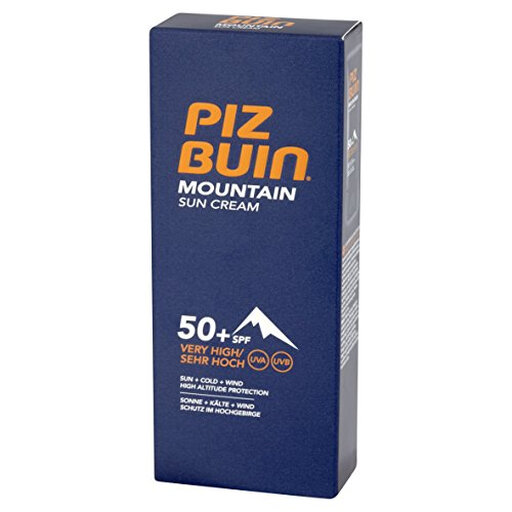
Why This Fits Their Persona: Designed for skiing, snow sports and exposed outdoor conditions where cold, wind, sweat and reflected light can make facial protection more demanding.
It is clearly positioned for high-altitude use and states sweat and water resistance, rather than presenting a standard daily moisturiser as a specialist outdoor product.
Stated broad UVA/UVB protection; contains glycerin, shea butter and trehalose; pocket-friendly 50ml tube.
We have compiled a complete, real-time list of products that fully satisfy these strict selection criteria and UK safety regulations.
Daily use can be practical for people regularly exposed to daylight, particularly those commuting, working near windows, driving or spending time outdoors. Exposure levels vary by season and location, so sunscreen should be combined with sensible shade and clothing choices.
It depends on how much you apply and whether you cover the neck and ears. A 50ml product used generously every morning may run out sooner than expected. Reapplication, holidays and outdoor activities can increase usage, so a larger tube or a spare travel format may be more economical for frequent users.
Yes, provided the formula is compatible with your skincare and foundation. Apply an even layer, allow it to settle and avoid rubbing once make-up is applied. Lightweight, non-greasy or primer-style products are generally more convenient, but always check for pilling and test the combination before an important occasion.