
24/7 Customer Support

Free returns

Same-day & Next-day Delivery

Quality Guaranteed

Unlock Your Welcome Offers: FREE Delivery | Up to 80% OFF | Free 30-day JoyPlus trial
Download the APP
A daily SPF 50 facial sunscreen can help protect exposed skin from UV damage, but comparing products is not as simple as choosing the highest number on the bottle. Texture, UVA labelling, ingredient preferences and reapplication all affect whether a sunscreen works for your routine.
For UK shoppers, the most expensive mistake is often buying a product that looks impressive on the packaging but feels uncomfortable after application. If you stop using it because it pills, stings or leaves a visible cast, the advertised protection becomes irrelevant.
SPF primarily indicates protection against UVB, the rays associated with sunburn. It does not, by itself, describe UVA protection, which is also linked with uneven tone and visible signs of skin ageing.
Look for UVA protection shown separately, such as a UVA logo, star rating or a clear broad-spectrum statement. Korean sunscreen products may also show a PA++++ rating. This is useful information, but it is not a direct replacement for checking the product’s UK-facing UVA labelling.
An invisible sunscreen may blend clearly across different skin tones, but its finish can still be shiny, dry, fragranced or uncomfortable around the eyes. A fluid containing alcohol may feel light on oily skin yet feel tight on dry or sensitive skin.
Likewise, mineral sunscreen formulas containing zinc oxide can be appealing for shoppers who prefer physical filters, but even a modern no-white-cast sunscreen should be checked on your own skin before committing to daily use.
Vitamin C, niacinamide, hyaluronic acid and botanical extracts may add skincare benefits, but they do not remove the need to apply enough sunscreen or reapply it. Claims about dark spots and anti-ageing should be treated as supportive product positioning rather than a guarantee of a specific result.
For daily facial use, choose SPF 50 or SPF 50+ with clearly stated broad-spectrum UVA and UVB protection. A 40ml tube is convenient for a handbag, while a 50ml tube may offer more practical value for regular face and neck application. Larger formats can be useful if the product is also suitable for exposed body areas.
Apply generously to the face, neck and ears as the final step of your morning skincare routine. Using too little can substantially reduce the labelled protection.
A chemical sunscreen often has a lightweight, transparent finish and can work well under make-up. A mineral sunscreen, commonly based on zinc oxide, may suit shoppers who prefer a physical filter, although texture and blending still vary considerably.
For oily or combination skin, look for lightweight facial sunscreen or non-greasy wording, plus a fluid or gel texture. Dry or dehydrated skin may prefer a hydrating sunscreen containing glycerine, hyaluronic acid or emollient ingredients. If you have reactive skin, fragrance, essential oils and certain alcohols may be worth avoiding, but always check the current ingredient list and patch test first.
Water-resistant sunscreen can be useful for walking, sport or holidays, but it does not mean the product remains fully effective indefinitely in water. Reapply after swimming, sweating or towel-drying, and check the packaging for the specific water-resistance statement.
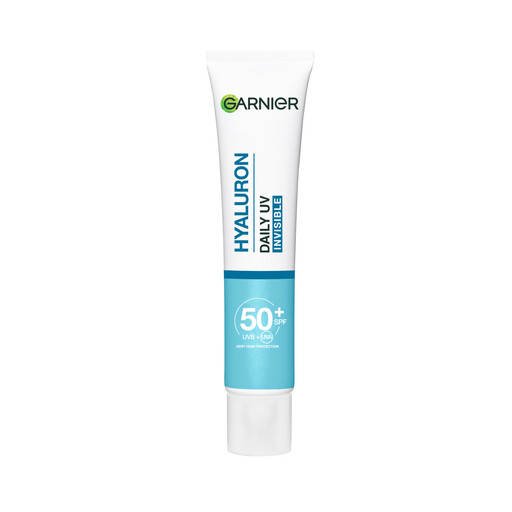
Why This Fits Their Persona: A compact 40ml facial fluid for everyday commuting, office use and first-time SPF shoppers who want hydration without a heavy cream texture.
Its lightweight, sheer format is designed to avoid a greasy feel and visible white traces, while the ingredient list includes hyaluronic acid and glycerine.
SPF50 protection; non-greasy fluid format; contains sodium hyaluronate and ceramide NP.
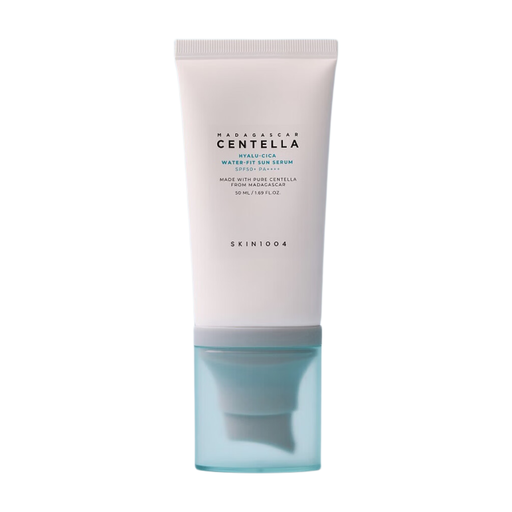
Why This Fits Their Persona: Suits Korean skincare enthusiasts and make-up users who prefer a serum-like layer that feels light during daily wear.
The product description specifies a clear, non-sticky finish and confirms that it is not water- or sweat-resistant, preventing an important use-case misunderstanding.
SPF50+ PA++++; fragrance-free formula; hyaluronic acid and centella asiatica.
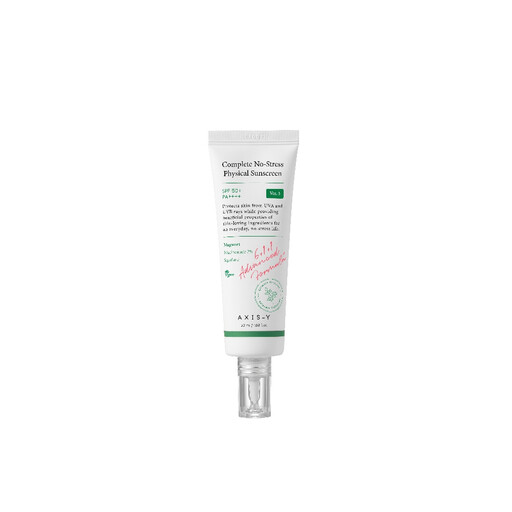
Why This Fits Their Persona: A zinc oxide-based option for shoppers who prefer a mineral sunscreen and want a fragrance-free formula for daily facial use.
The listed formula uses zinc oxide and is described as non-chalky, while a patch test is recommended before first use.
Zinc oxide base; SPF50 PA++++; fragrance-free and suitable for use under make-up.
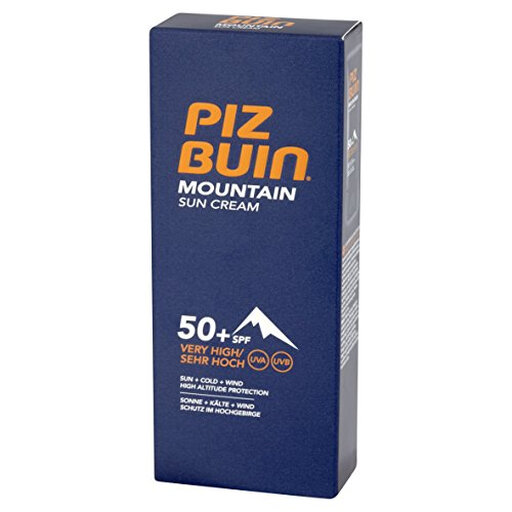
Why This Fits Their Persona: Designed for exposed facial skin during skiing, snowboarding and cold, windy mountain conditions where snow reflection can increase glare.
The product is specifically described for high-altitude use and lists sweat-resistant and water-resistant properties, rather than relying only on a generic daily-use claim.
SPF50+ broad-spectrum protection; water-resistant formula; glycerine, shea butter and trehalose for a richer feel.
We have compiled a complete, real-time list of products that fully satisfy these strict selection criteria and UK safety regulations.
Use sunscreen every morning as the final skincare step, including on cloudy days when UV exposure can still occur. Apply evenly to the face, neck and ears, and allow it to settle before foundation if you are using sunscreen under make-up.
Reapply during prolonged outdoor exposure, particularly after sweating, swimming or towelling. Sunscreen does not replace shade, clothing, a hat or sunglasses. Avoid relying on a product’s stated wear time as a reason to skip reapplication.
It can be a practical choice for daily exposed skin, especially during spring and summer, holidays, outdoor work and winter sports. UV exposure is not limited to hot or cloudless weather, so many people prefer consistent daily facial sun protection.
Yes, fluid and serum textures are often easier to layer under make-up than rich creams. Apply enough sunscreen first, let it settle, then add foundation. If pilling occurs, reduce the number of skincare layers or allow more time between products.
Check the packaging for the open-jar symbol, batch information and storage guidance. Heat, direct sunlight and contamination can affect product quality. Replace the sunscreen according to its stated period after opening, and discard it if the smell, colour or texture changes noticeably.