
24/7 Customer Support

Free returns

Same-day & Next-day Delivery

Quality Guaranteed

Unlock Your Welcome Offers: FREE Delivery | Up to 80% OFF | Free 30-day JoyPlus trial
Download the APP
Navigating the world of high-protection sunscreen can feel overwhelming. Shelves are packed with lotions, fluids and sprays all promising complete protection. But as many of us have discovered, not all SPF 50 sun cream is created equal. Finding a formula that feels comfortable, looks invisible and truly delivers on its promises is key to consistent daily use.
As a Joybuy Product Recommendation Officer, my role is to help you see past the marketing jargon. Before you add another disappointing bottle to your collection, let’s look at the common pitfalls that UK shoppers encounter and how to sidestep them.
To ensure you're getting effective and comfortable protection, focus on these three non-negotiable parameters.
The SPF (Sun Protection Factor) number—in this case, 50—primarily measures protection against UVB rays, the main cause of sunburn. However, UVA rays are present all year round, even on cloudy days, and penetrate deeper into the skin, accelerating skin ageing.
Sunscreens use different types of filters to block UV rays and the type can affect how it feels and performs on your skin.
The texture of a sunscreen determines how it will feel and look on your skin. Choosing the right one for your skin type is crucial for daily comfort.
Based on these practical criteria, here are a few options tailored to different needs and lifestyles.
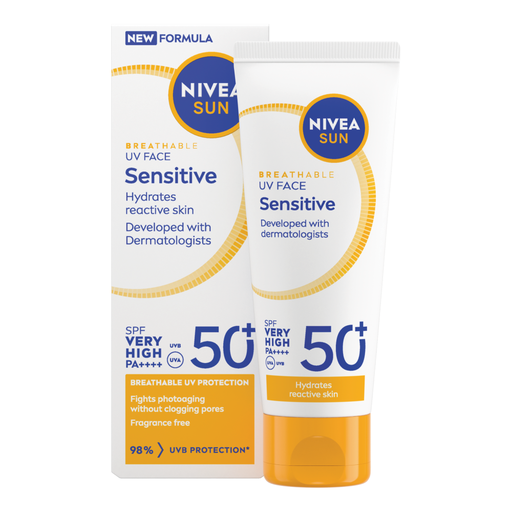
Why This Fits Their Persona: This is designed for daily wear on the face, especially for those whose skin reacts easily. Its lightweight, non-comedogenic formula is ideal for wearing on the tube or in the office without feeling heavy or causing breakouts.
It directly counters the greasy feeling of traditional sunscreens with a 0% greasy, breathable formula. It's specifically developed for sensitive skin to prevent irritation.
Developed with dermatologists, it soothes and hydrates reactive skin while providing high UVA/UVB protection. The invisible finish works well under makeup.
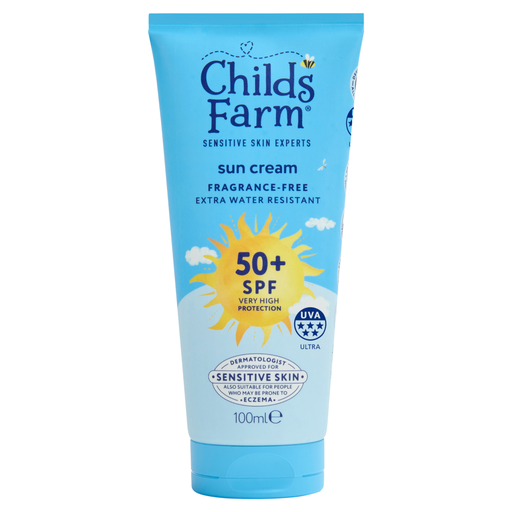
Why This Fits Their Persona: For parents looking for a reliable kids sun cream SPF 50 for days at the park or beach holidays. It's formulated to be gentle enough for babies from 0+ months and those with eczema-prone skin.
It addresses the water resistance confusion by stating it is "extra water-resistant," reminding users of its durability during play, while still implying the need for reapplication. The gentle formula avoids irritation concerns.
According to the brand, it is clinically proven to be kind to sensitive skin. It is also fragrance-free and offers five-star UVA protection, making it a reassuring choice for children's delicate skin.
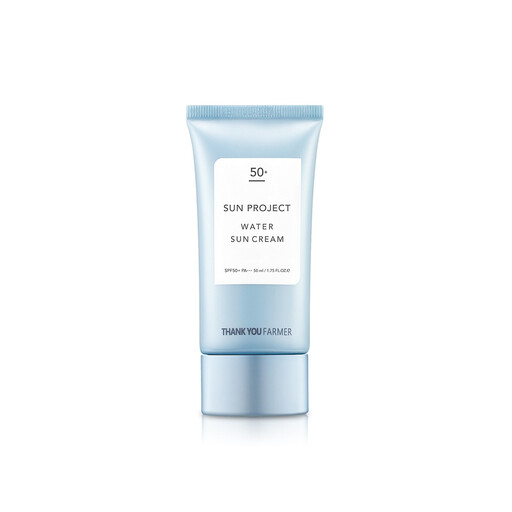
Why This Fits Their Persona: This user wants their sunscreen to do more than just protect. They seek a product that enhances their skin, providing a dewy, "glass skin" finish that works as a hydrating moisturiser and makeup primer in one.
It masterfully avoids both the white cast and greasy finish traps. The formula is designed to be transparent and create a radiant glow, not an oily shine, absorbing quickly without a sticky film.
Its primary benefit is the intense hydration and dewy finish it provides, making it a favourite for those with normal to dry skin. It contains soothing botanicals like Bamboo Water and Centella Asiatica.
We have compiled a complete, real-time list of products that fully satisfy these strict selection criteria and UK safety regulations.
A good rule of thumb is the "two-finger rule." Squeeze a line of sunscreen onto your index and middle fingers from base to tip. This amount is generally sufficient to properly cover your face and neck. Applying too little will significantly reduce the level of protection.
It's not recommended. Look for the Period After Opening (PAO) symbol on the packaging—it looks like a small open jar with a number followed by "M" (e.g., "12M"). This indicates how many months the product remains effective after being opened. If it's past this date, or if the colour, smell or texture has changed, it's time to replace it.
Yes. Up to 80% of the sun's UVA rays can pass through clouds. These are the rays responsible for premature skin ageing and can contribute to skin cancer risk. Wearing a high protection sunscreen daily, regardless of the weather, is one of the most effective habits for maintaining long-term skin health.