
24/7 Customer Support

Free returns

Same-day & Next-day Delivery

Quality Guaranteed

Unlock Your Welcome Offers: FREE Delivery | Up to 80% OFF | Free 30-day JoyPlus trial
Download the APP
Navigating the world of high protection sunscreen can feel overwhelming. Shelves are packed with bottles promising invisible finishes, all-day protection and advanced skincare benefits. Yet, many of us have been left with a greasy finish, a chalky white cast or worse, unexpected sunburn after a day out. The truth is, not all SPF 50 sun cream is created equal, and marketing claims can often be misleading.
As a Joybuy Product Recommendation Officer, my role is to help you see past the hype. This guide will break down the essential factors to consider, helping you avoid common purchasing pitfalls and find a formula that genuinely suits your skin and lifestyle.
Before you add any product to your basket, be aware of these common traps that lead to disappointment and wasted money:
To make an informed choice, focus on these three non-negotiable factors.
Your sunscreen must protect against both UVA and UVB radiation. This is what broad-spectrum means.
The right formula for you depends entirely on your skin's needs. A heavy-duty lotion perfect for a beach day might be unsuitable for daily facial wear.
How and where you plan to use your sunscreen dictates the features you need.
Based on these practical criteria, here are some standout options matched to different user needs.
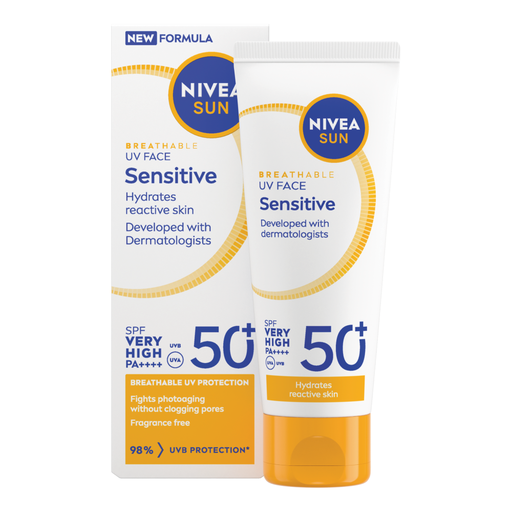
Why This Fits Their Persona: This is designed for comfortable daily facial wear. Its lightweight, non-comedogenic formula is ideal for UK residents with reactive skin who need reliable protection without irritation or a heavy feel for their commute.
It directly counters the "greasy finish" pitfall with a 0% greasy formula that leaves an invisible finish, making it perfect for daily use under makeup or on its own.
Developed for sensitive skin, it helps prevent sun allergies and irritation. The formula is also ocean-friendly, free from several harmful UV filters.
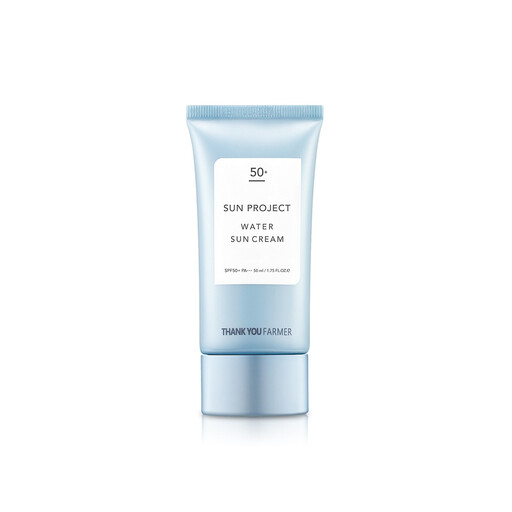
Why This Fits Their Persona: For those who view sunscreen as a skincare step, this Korean formula delivers. It provides a dewy, "glass skin" finish and intense hydration, acting as a moisturiser, primer and high-protection sunscreen in one.
It masterfully avoids the "white cast" pitfall by offering a transparent, radiant glow. It also provides a high PA+++ rating, ensuring robust UVA protection is not overlooked.
The formula is infused with hydrating and soothing botanicals like Bamboo Water and Centella Asiatica, nourishing the skin while protecting it.
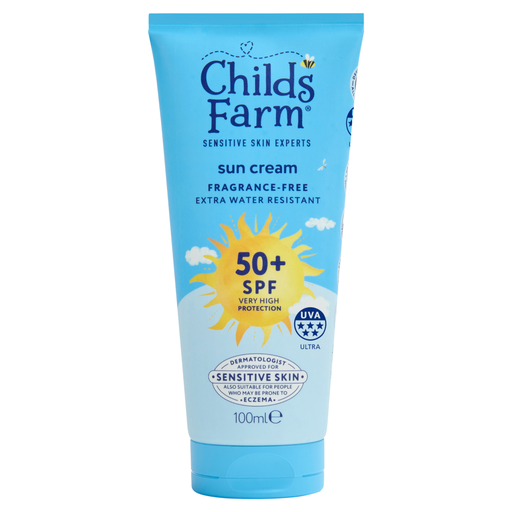
Why This Fits Their Persona: Perfect for UK families on the go, whether it's a trip to the park or a holiday. It's suitable for babies from 0+ months and is formulated to be kind to sensitive and eczema-prone skin, making it a reliable choice for everyone.
It tackles the "waterproof" myth head-on by being "extra water-resistant" while still requiring reapplication. It also has a five-star UVA rating, ensuring comprehensive protection.
Its suitability for very young children and sensitive skin is a major plus. The fragrance-free, quick-absorbing formula makes application on wriggly kids much easier.
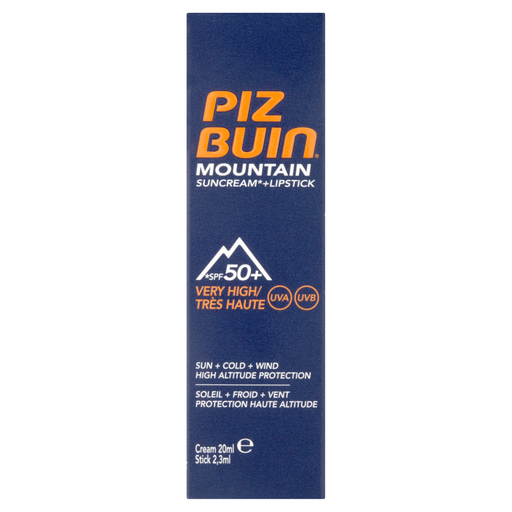
Why This Fits Their Persona: Specifically developed for high-altitude conditions, this is for the hiker, skier or mountaineer. It protects against intense sun, cold and wind, which are common challenges in the Scottish Highlands or on Alpine holidays.
It addresses a specific use-case where standard sunscreens fail. The Cold Shield Complex protects against windburn and dehydration, factors often overlooked in typical sun care.
The 2-in-1 format with an integrated SPF 50 lip balm is incredibly practical for on-the-go application. The formula is sweat and water-resistant for high-exertion activities.
We have compiled a complete, real-time list of products that fully satisfy these strict selection criteria and UK safety regulations.
1. How much SPF 50 sun cream should I actually use? For adequate protection, the general guideline is to apply about two finger-lengths of product for your face and neck. For the body, you should aim for about a shot glass full (around 30ml) to cover all exposed areas. Applying too little will significantly reduce the level of protection you receive, regardless of the SPF number.
2. Can I use sun cream that I bought last year? It's generally not recommended. Most sun creams have a "period after opening" (PAO) symbol on the packaging, which looks like an open jar with a number (e.g., "12M"). This indicates it should be used within 12 months of opening. Over time, the filters can degrade and become less effective, especially if the bottle has been stored in warm, sunny places like a car or beach bag. For reliable protection, it's always safer to start the season with a fresh bottle.
3. What is the difference between a mineral and a chemical sunscreen? A mineral sunscreen (also called a physical sunscreen) uses active mineral ingredients like zinc oxide and titanium dioxide to create a physical barrier that reflects UV rays. They are often preferred for sensitive skin. A chemical sunscreen uses organic compounds that absorb UV radiation and convert it into heat, which is then released from the skin. Many modern formulas are "hybrid," containing both types of filters to provide broad-spectrum protection with a more elegant texture.