
24/7 全天候客户支持

免费退货

当日/次日达

品质保障

开启新人专享福利: 全场免邮 | 低至 2 折 | 免费试用 30 天 JoyPlus 会员
下载 Joybuy
Choosing an SPF 50 sun cream should be more than a quick glance at the number on the bottle. UK shoppers often compare products by SPF alone, then discover that the lotion feels greasy, leaves a white cast, irritates sensitive skin or disappears after swimming.
Three common purchasing traps are worth avoiding:
The right choice depends on where you will apply it, how often you will be outdoors and whether your skin is dry, reactive or prone to discomfort.
For regular UK use, an SPF 50 or SPF 50+ sunscreen offers a high level of UVB protection when applied generously and evenly. However, SPF does not describe the full UVA performance.
Look for:
PA ratings are commonly used on Korean sunscreen and other Asian products. They can help with comparison, but shoppers should also check the full packaging and UK usage instructions.
A facial sunscreen is usually designed with a lighter finish, lower likelihood of pore-clogging ingredients or compatibility with make-up. A body sun lotion normally comes in a larger bottle and is easier to spread over arms, legs, shoulders and torso.
For daily commuting, a non-greasy sunscreen or fluid may be more practical. For dry or dehydrated skin, a moisturising sun cream containing ingredients such as glycerine, panthenol, hyaluronic acid or plant oils may feel more comfortable.
Always read the ingredient list if you have known sensitivities. “Sensitive skin” on a label does not guarantee that every formula will suit every person.
A water-resistant sunscreen can be useful for swimming, beach trips, outdoor sport and active children. Resistance to water, sweat, salt, chlorine or sand varies by product, so check the specific wording.
Apply generously before exposure, allow the product to settle where directed and reapply frequently. Reapply after swimming, heavy perspiration or towel-drying, even if the bottle states that it is water resistant.
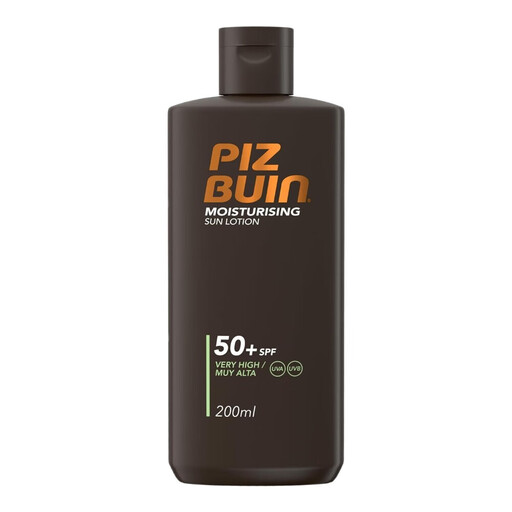
Why This Fits Their Persona: A 200ml format provides a practical starting point for shoppers who need one straightforward body lotion for commuting, holidays and outdoor days.
Its SPF50+ rating is paired with stated UVA and UVB protection, while the instructions clearly require reapplication after sweating, swimming or wiping the skin.
Moisturising formula; light, non-greasy texture; 200ml body-friendly size.
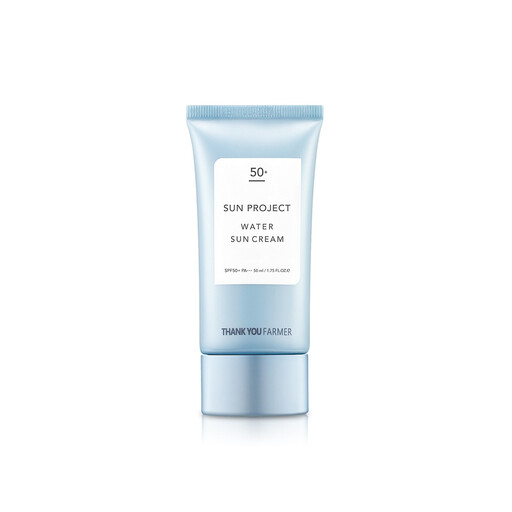
Why This Fits Their Persona: Suits shoppers looking for a Korean sunscreen with a skincare-style finish for dry or dehydrated facial skin.
The description identifies a dewy finish without a sticky residue or chalky white cast, helping address the common mismatch between facial protection and comfortable daily wear.
SPF50+ and PA+++; hyaluronic acid, bamboo water and plant oils; suitable as a make-up base.
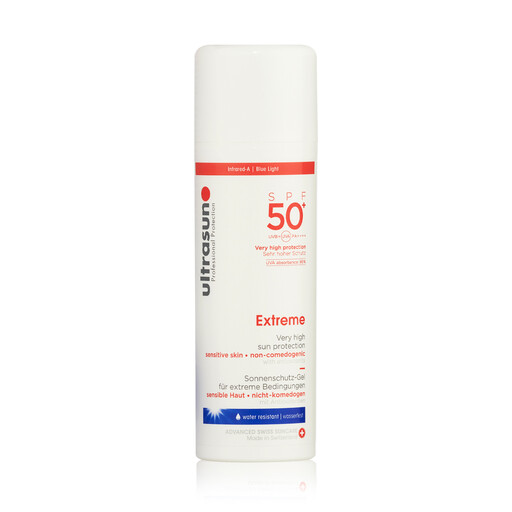
Why This Fits Their Persona: Designed for shoppers planning extended outdoor exposure who want one product for face and body, including sensitive-skin needs.
The stated water-resistant, fast-absorbing format is more suitable for active use, but the directions still call for frequent reapplication after swimming or towelling.
SPF50+; suitable for face and body; water-resistant; 150ml format.
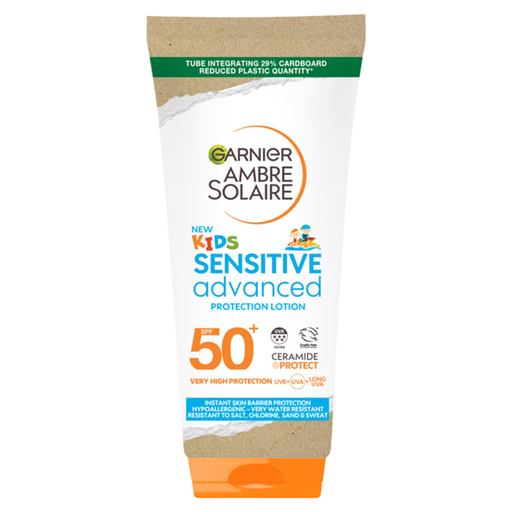
Why This Fits Their Persona: A practical option for active children during beach days, swimming and outdoor play, with face-and-body use stated in the product information.
The formula is described as fragrance-free and very water resistant, with resistance to salt, chlorine, sand and sweat. Adult supervision and protective clothing remain necessary.
SPF50+; stated five-star UVA protection; fragrance-free; ceramide-enriched; 175ml size.
We have compiled a complete, real-time list of products that fully satisfy these strict selection criteria and UK safety regulations.
Use enough product to cover every exposed area. Applying too little can significantly reduce the stated protection level. For the face, neck and ears, follow the product’s measurement guidance; some facial sunscreens refer to two finger lengths, while body products may provide a spoon-based quantity.
A sensible routine is:
For reactive skin, patch-test a small area first and avoid applying sunscreen to broken, irritated or eczematous skin unless advised otherwise. Stop using a product if redness, itching, swelling or other irritation appears.
Yes, SPF 50 sun cream can be used as part of a daily morning routine, particularly on exposed facial areas. It is still important to apply enough and reapply during prolonged outdoor exposure. A facial sunscreen with a non-greasy or make-up-friendly finish may be easier to use consistently.
There is no universal lifespan because it depends on the bottle size, the number of users and how much skin is covered. A 40–50ml facial product is intended for face-focused use, while a 150–250ml body lotion is more practical for repeated full-body application. Check the packaging for the period-after-opening symbol, storage guidance and expiry information.
Some kids’ sun cream products state that they are suitable for both face and body, but this does not mean every children’s lotion will feel comfortable on facial skin. Check the product directions, ingredients and finish before use, and avoid the eye area. Children should also use hats, covering clothing and shade rather than relying on sunscreen alone.