
24/7 Customer Support

Free returns

Same-day & Next-day Delivery

Quality Guaranteed

Unlock Your Welcome Offers: FREE Delivery | Up to 80% OFF | Free 30-day JoyPlus trial
Download the APP
As a Joybuy Product Recommendation Officer, my role is to help you navigate the crowded shelves of sun care. Choosing a high-protection sun cream should be straightforward, but it's often a frustrating process. We've all been there: you buy a product promising a 'lightweight, non-greasy' feel, only to be left with a sticky, chalky film on your skin.
Many of us waste money on formulas that don't suit our needs. Before you make another purchase, let's look at the common pitfalls that catch out even savvy shoppers.
water resistant sun lotion is rated to maintain its SPF level for a specific duration while swimming or sweating (typically 40 or 80 minutes). It does not provide all-day protection after a single dip in the sea.non-greasy sunscreen is one of the biggest marketing hooks. Yet, countless formulas, especially older mineral-based ones, feel heavy and leave a noticeable white or purplish cast on the skin, making them impractical for daily use or for deeper skin tones.SPF 50 sun cream is only doing half the job.To avoid these traps, focus on these three non-negotiable parameters. Understanding them will ensure you get the protection you're paying for.
A genuine high protection sun cream must defend against both types of harmful UV rays. Here’s how to verify it:
Korean sun essence. The rating ranges from PA+ to PA++++. For daily use, PA+++ or PA++++ offers robust protection against UVA rays.The right texture determines whether you will actually use your sunscreen every day. Modern formulas have moved far beyond thick, chalky creams.
daily facial sunscreen, especially for those with oily or combination skin, as they rarely feel heavy or leave a white cast.Your skin has unique requirements. Look for formulas tailored to them.
best sunscreen for sensitive skin uk consumers can find, check for ingredients like Feverfew or oat extract that help calm the skin.sun cream for kids is essential. These are typically extra water-resistant and formulated to be gentle on delicate skin, often with paediatrician approval.anti-pigmentation spf will often contain ingredients like Niacinamide or patented molecules like Luminous630 to help reduce the appearance of sun-induced dark spots.tinted moisturiser with spf 50 can streamline your morning routine, offering light coverage, hydration and protection in one step.Based on these practical criteria, here are a few standout options matched to different user needs.
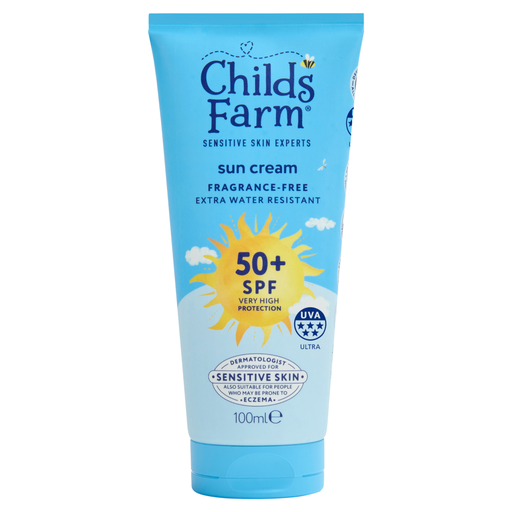
Why This Fits Their Persona: Perfect for UK family holidays or daily use, this sun cream is specifically designed for the delicate skin of children (from 0+ months) and is also suitable for adults with sensitive or eczema-prone skin.
It's fragrance-free and paediatrician-approved, directly addressing the risk of irritation from harsh chemicals in generic sunscreens. The 'extra water-resistant' claim is backed by a formula made for active kids.
Provides very high SPF 50+ protection with a 5-star UVA rating, ensuring true broad-spectrum defence for the whole family.
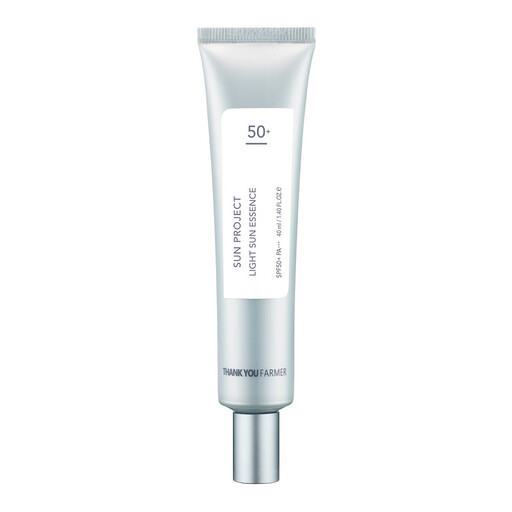
Why This Fits Their Persona: For those who prioritise cosmetic elegance and a 'barely there' feel. This Korean sun essence is perfect for daily wear, layering seamlessly into a multi-step skincare routine without pilling under makeup.
Its watery, essence-like texture is the complete opposite of a thick, greasy cream. It absorbs instantly and is specifically formulated to leave zero white cast, making it a truly invisible shield.
Delivers high SPF50+ and PA+++ (UVA) protection in a feather-light formula. It also contains soothing botanical extracts like Aloe and Lotus Flower Water to calm the skin.
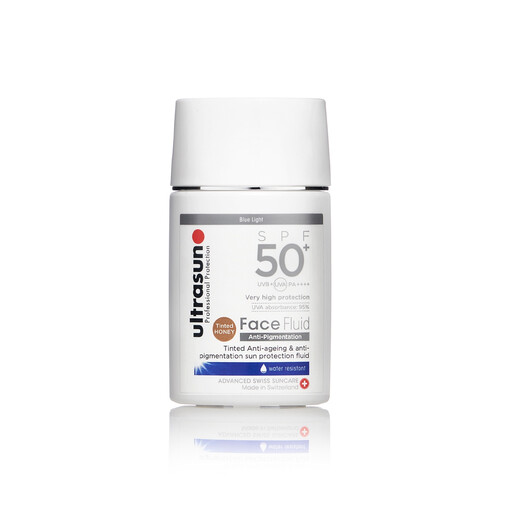
Why This Fits Their Persona: This multi-tasking product is ideal for anyone with a packed schedule. It combines a primer, moisturiser, targeted treatment and high-protection sunscreen into one step, saving precious time in the morning.
The ultra-light fluid texture delivers on the 'non-greasy' promise, while the adaptive tint provides a radiant finish, eliminating any risk of a white cast and providing light coverage.
It's an all-in-one solution that provides broad-spectrum SPF50+ protection while also containing active ingredients that help to prevent and reduce the appearance of sun-induced hyperpigmentation.
We have compiled a complete, real-time list of products that fully satisfy these strict selection criteria and UK safety regulations.
A common guideline for the face and neck is the "two-finger rule." Squeeze a line of sunscreen onto your index and middle fingers, from the base to the tip. This amount is roughly what you need to achieve the stated SPF 50 protection. Most people under-apply, which significantly reduces the effectiveness.
While you can, it's not always ideal. A face sunscreen spf 50 is typically formulated to be lighter and non-comedogenic (less likely to clog pores), making it more suitable for the more sensitive skin on your face. Body sunscreens can sometimes be thicker, greasier and may cause breakouts for those with acne-prone or oily skin.
You must reapply after the time stated on the bottle (e.g., 40 or 80 minutes) of swimming or sweating. It is also crucial to reapply immediately after towel drying, as this physically removes the product. For regular daily activity, it's recommended to reapply every two hours to maintain full protection.