
24/7 Customer Support

Free returns

Same-day & Next-day Delivery

Quality Guaranteed

Unlock Your Welcome Offers: FREE Delivery | Up to 80% OFF | Free 30-day JoyPlus trial
Download the APP
Choosing an SPF 50 sunscreen is not simply a matter of picking the highest number on the bottle. Texture, UVA coverage, application quantity and water resistance all affect whether a product suits your routine. A facial sunscreen that feels comfortable under make-up may not be practical for covering a family’s arms and legs, while a rich moisturising sun lotion may feel too heavy on oily skin.
This guide explains the key differences between SPF 30 and SPF 50+ sun cream, highlights common buying traps and matches selected products to different UK shopping needs.
SPF primarily indicates protection against UVB, the rays associated with sunburn. SPF 50 does not block all UV radiation, and it does not remove the need for shade, clothing, a hat or sensible avoidance of strong midday sun.
UVA protection is also important for longer-term exposure. Look for wording such as broad-spectrum sunscreen, a UVA circle or a stated UVA rating. Korean products may also display a PA rating, such as PA+++ or PA++++, but UK shoppers should still check the full label and product instructions.
A high-protection product is of limited practical value if it pills under make-up, leaves an unwanted cast or feels sticky. Oily and combination skin may prefer a lightweight essence or non-greasy sunscreen, whereas dry skin often benefits from a moisturising sun lotion.
Mineral formulas containing zinc oxide can be appealing for sensitive skin, but they may feel thicker than fluid chemical or hybrid formulas. Always check the ingredient list, particularly if you already know that your skin reacts to fragrance or specific UV filters.
Water-resistant sunscreen still needs reapplication after swimming, sweating or towel drying. The claim does not mean that protection remains unchanged throughout a day at the beach or during outdoor exercise. Children’s sunscreen should be applied generously and checked frequently, even when the label describes it as extra water resistant.
Both ratings can be suitable when applied correctly. SPF 50 offers a higher level of labelled UVB protection than SPF 30, making it a practical choice for prolonged outdoor exposure, very fair or sun-sensitive skin, holidays and active family days.
For everyday commuting or brief outdoor periods, some shoppers may choose SPF 30 because they prefer its texture or price. However, the protection level depends heavily on applying enough product. Using too little can significantly reduce the stated protection, so a comfortable formula that you will apply generously is often more useful than a product you avoid because it feels unpleasant.
Choose a broad-spectrum sunscreen that clearly indicates both UVA and UVB protection. In the UK, check for recognised UVA labelling rather than relying only on phrases such as “sun defence” or “anti-ageing”.
For facial use, consider whether the product leaves a cast, works beneath make-up and suits your skin type. For the body, bottle size and ease of spreading become more important.
A 40–50ml facial sunscreen is portable, while 150–250ml body sunscreen is more practical for repeated full-body application. Check whether the formula is water resistant and follow the reapplication instructions on the packaging. Products should be stored away from excessive heat and direct sunlight, with shelf-life and batch details checked on the label.
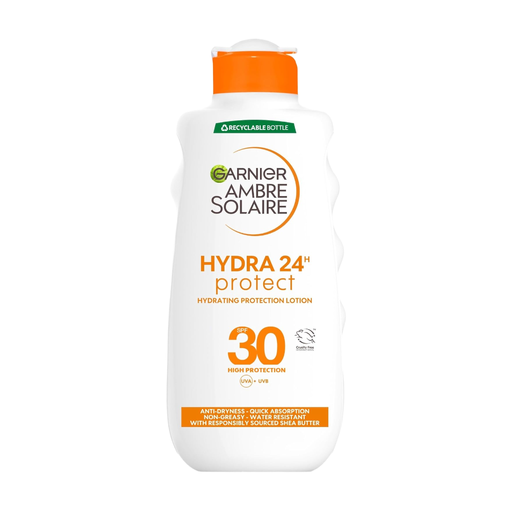
Why This Fits Their Persona: A 175ml body lotion provides a practical starting point for daily arms, legs and neck coverage without moving straight to a smaller facial format. Its fast-absorbing, water-resistant formula is designed for regular outdoor use.
The stated UVA and UVB coverage and clear reapplication guidance make it easier to judge than a product relying on vague “sun care” wording.
175ml size; non-greasy, water-resistant lotion with shea butter.
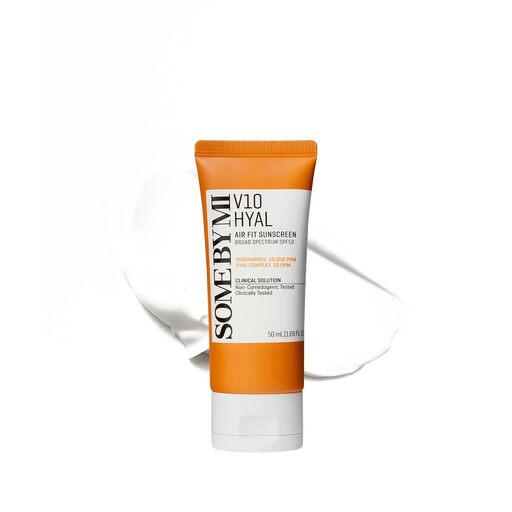
Why This Fits Their Persona: This Korean sunscreen is a face-focused option for shoppers wanting SPF 50, hydration and a lightweight finish for commuting or office days.
Its listed lightweight, non-greasy texture is more suited to daily facial use than a thick body lotion.
50ml facial format; hyaluronic acid and vitamin ingredients; no stated white cast.
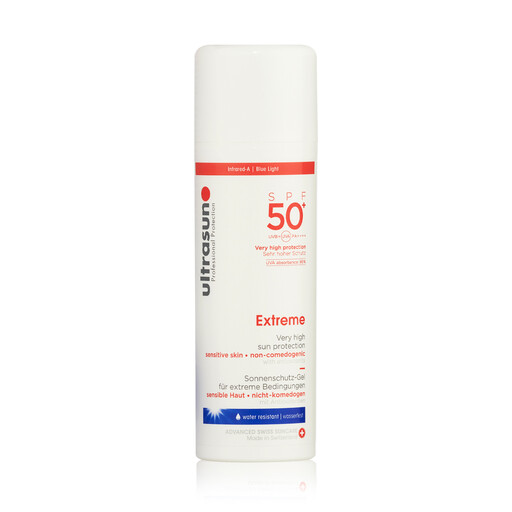
Why This Fits Their Persona: A whole-family format for demanding outdoor days, including walking, sport and travel where face-and-body coverage is useful.
The product is listed as SPF50+, water resistant and suitable for face and body, rather than being limited to occasional facial use.
150ml size; fast-absorbing formula; listed water resistance and broad-spectrum protection.
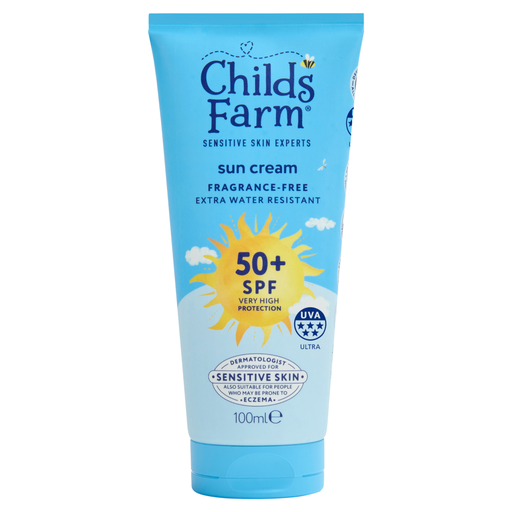
Why This Fits Their Persona: Designed for children from 0+ months according to the supplied product information, this 100ml option suits family day trips where repeated application is expected.
The label information specifies UVA and UVB coverage, frequent reapplication and extra water resistance, helping families plan practical use.
SPF50+; five-star UVA protection stated on the product information; fragrance-free formula.
We have compiled a complete, real-time list of products that fully satisfy these strict selection criteria and UK safety regulations.
SPF 50 provides a higher labelled level of UVB protection than SPF 30. It may be a practical choice for holidays, prolonged outdoor activity, very fair skin or anyone who prefers a higher margin when applying slightly less than the recommended amount. It still requires correct application and reapplication.
Check the open-jar symbol and the product label for the recommended period after opening. Storage conditions also matter. Heat, direct sunlight and contamination can affect a formula, so close the container properly and replace it according to the manufacturer’s guidance.
Use enough to cover every exposed area evenly. A thin layer may provide considerably less protection than the SPF stated on the packaging. For full-body use, larger 150–250ml bottles are generally more practical than small facial tubes, especially when reapplication is needed throughout the day.