
24/7 全天候客户支持

免费退货

当日/次日达

品质保障

开启新人专享福利: 全场免邮 | 低至 2 折 | 免费试用 30 天 JoyPlus 会员
下载 Joybuy
Choosing an SPF 50 sunscreen is not simply a case of selecting the highest number on the shelf. UK shoppers also need to consider UVA protection, application quantity, water resistance, skin sensitivity and whether the format is practical for daily use. A formula that looks appealing online may be unsuitable for children, uncomfortable under make-up or difficult to reapply properly.
This guide explains the key details to check before buying, followed by our top recommendations for different needs.
SPF mainly indicates protection against UVB rays, which are associated with sunburn. It does not provide the full picture of UVA protection, which contributes to longer-term sun-induced skin damage and premature skin ageing.
Look for clear UVA and UVB protection wording, the UVA logo or a star rating on the packaging. In the UK and Europe, a product labelled SPF 50+ sun cream should still be applied generously and reapplied regularly. No sunscreen provides 100% protection.
A water-resistant sunscreen can be useful for swimming, sweating or outdoor play, but it still needs reapplication after swimming, towelling or heavy perspiration. “Very water resistant” or “extra water resistant” describes performance under specified conditions; it does not mean the product remains fully effective all day.
Salt, sand and sweat can also remove product through rubbing. For beach trips and family holidays, choose a formula that matches the activity and pack enough for repeated application.
Sprays and dry mists are quick to use, but they can make it easy to miss areas or apply too little. Lotion and cream formulas usually make coverage easier to see, although some may feel heavier or leave a visible cast.
For children, spray sunscreen should not be sprayed directly onto the face. Spray it into an adult’s palms first, then apply carefully around the face while avoiding the eyes.
For strong everyday and holiday protection, choose SPF 50 or SPF 50+ with clearly stated broad-spectrum sunscreen protection. SPF 50+ is particularly suitable for fair, photosensitive or young skin, provided enough product is used.
For daily facial sun protection, look for a formula designed for the face. Facial products may offer a lighter texture, a non-greasy finish or compatibility with make-up. The label may also specify whether the product is fragrance-free, non-comedogenic or suitable for sensitive skin.
If you have reactive or sensitive skin, check for fragrance-free sunscreen options and review the complete ingredient list before purchase. “Hypoallergenic” is not a guarantee that irritation is impossible, so patch testing a new product can be sensible.
Parents should also check the stated age suitability. Babies and young children should be kept out of direct sunlight, with protective clothing, hats and shade used alongside sunscreen. Product labels differ: some children’s products are suitable from six months, while others specify use from age three upwards.
A 150ml sunscreen spray may be convenient for a handbag or day trip, while a 200ml pump spray or lotion can be more practical for family use. Consider how quickly the product will be used and whether everyone can apply it evenly.
Apply generously before sun exposure and reapply frequently. Reducing the amount lowers the protection level significantly. For the face and neck, follow the product’s stated quantity; some facial products use the two-finger measure as a simple guide.
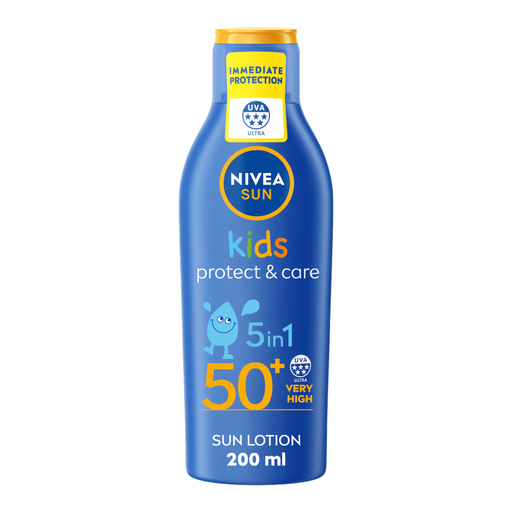
Why This Fits Their Persona: The 200ml lotion gives families a generous body-care format for school holidays, parks and regular outdoor use. It is stated as suitable for children aged three and above.
The lotion format makes generous application more straightforward than relying on a fast-disappearing mist.
SPF50+, UVA and UVB protection, extra water resistance and a fast-absorbing lotion texture.
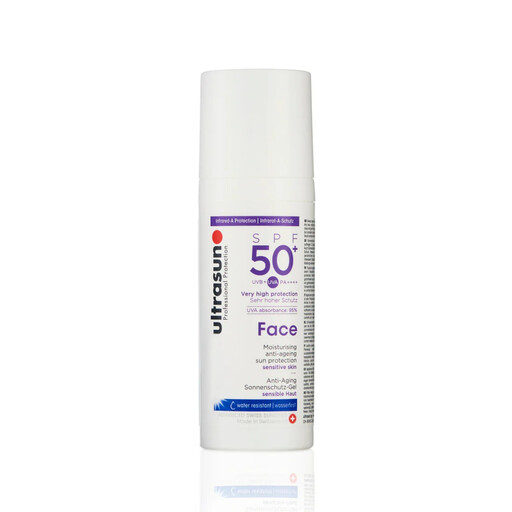
Why This Fits Their Persona: This facial sunscreen SPF 50+ is designed for daily wear and can fit into a morning skincare routine before make-up.
Its face-specific format helps avoid using a heavy body lotion where a comfortable everyday texture is preferred.
Very high broad-spectrum protection, lightweight texture, non-comedogenic positioning and suitability for sensitive skin.
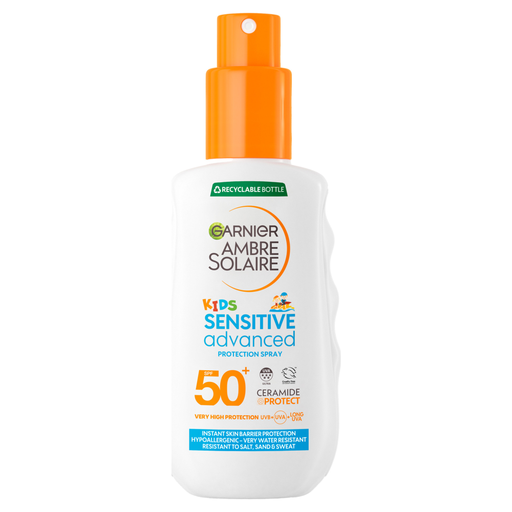
Why This Fits Their Persona: A practical choice for children’s outdoor play, family days out and trips involving sweat, sand or swimming.
The product description specifies very water-resistant performance and resistance to salt, sand and sweat, while reminding users to reapply.
SPF 50+, five-star UVA rating, fragrance-free and hypoallergenic formula, with body-and-face use stated on the product information.
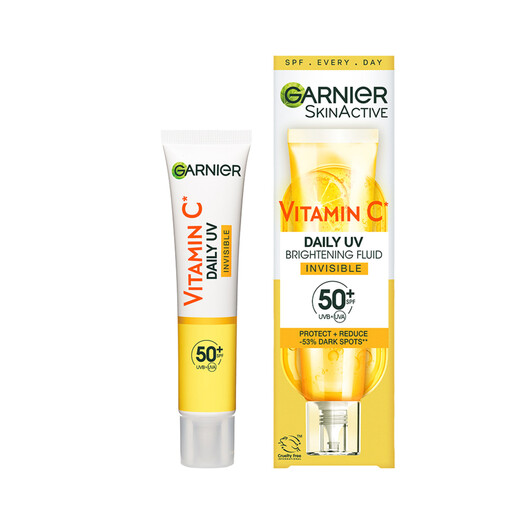
Why This Fits Their Persona: The lightweight facial fluid is intended for morning use and offers a sheer, glow-enhancing finish for shoppers who dislike heavy sun cream.
Its stated invisible, non-greasy texture addresses the common issue of facial SPF being uncomfortable beneath make-up.
SPF50+ protection, UVA, UVB and long-UVA coverage stated in the description, plus mineral pigments and a 40ml face-friendly format.
We have compiled a complete, real-time list of products that fully satisfy these strict selection criteria and UK safety regulations.
Yes, SPF 50 can be used as daily facial sun protection or on the body. It is useful for fair skin, sensitive skin, prolonged outdoor activity and days when UV exposure may be underestimated. Apply enough product and reapply when needed; SPF does not remove the need for shade or protective clothing.
The protection period depends on application, sweating, swimming and rubbing. Water-resistant products still require reapplication after water exposure or towelling. Follow the instructions on the packaging rather than relying on a fixed duration.
Both indicate high UVB protection, but SPF 50+ is used for products that provide protection above the SPF 50 testing range. Neither label alone explains UVA performance, so also check for a UVA rating or clear broad-spectrum protection statement.