
24/7 Customer Support

Free returns

Same-day & Next-day Delivery

Quality Guaranteed

Unlock Your Welcome Offers: FREE Delivery | Up to 80% OFF | Free 30-day JoyPlus trial
Download the APP
Finding a reliable SPF 50 sunscreen can feel like navigating a minefield of marketing claims. We're often promised lightweight, invisible protection, only to be left with a greasy film or a chalky white cast. As a Joybuy Product Recommendation Officer, my role is to help you see past the hype and focus on what truly matters for your skin and your wallet. Before you make your next purchase, let's look at the common pitfalls that lead to disappointing buys.
Many of us have a drawer of barely-used sunscreens that failed to live up to their promises. This is often due to a few recurring issues that brands don't always highlight.
To avoid these traps, it helps to understand a few key parameters. Looking beyond the big "SPF 50" on the front of the bottle is crucial for finding a product that works for you.
The SPF (Sun Protection Factor) number primarily measures protection against UVB rays, the main cause of sunburn. However, UVA rays penetrate deeper into the skin and are the primary driver of premature skin ageing, like wrinkles and fine lines. For true protection, you need a "broad-spectrum" sunscreen. In the UK and EU, look for the UVA logo (the letters 'UVA' in a circle), which indicates that the UVA protection is at least one-third of the SPF value. Many popular Korean sunscreen UK products also use the PA rating system (from PA+ to PA++++), which specifically grades the level of UVA protection—the more plus signs, the higher the protection.
The feel of a sunscreen is just as important as its protective qualities. Your skin type will guide your choice here.
Based on these practical criteria, here are a few options that align with different needs and lifestyles, helping you avoid the common purchasing pitfalls.
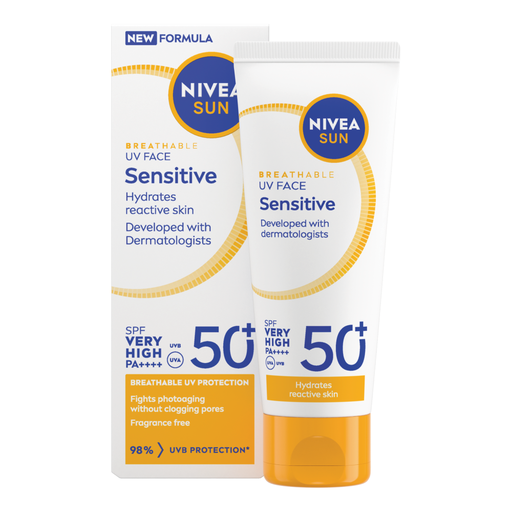
Why This Fits Their Persona: Ideal for UK residents who need a reliable, non-irritating daily face sunscreen that won't cause issues on the morning commute. It's designed to be gentle and layer well with other products or makeup.
Its lightweight, 0% greasy and non-comedogenic formula directly counters the "greasy, pore-clogging" trap. It's specifically developed for sensitive skin, reducing the risk of skincare conflicts.
Features a formula developed with dermatologists to soothe and hydrate reactive skin. It leaves an invisible finish, making it a practical base for daily use.
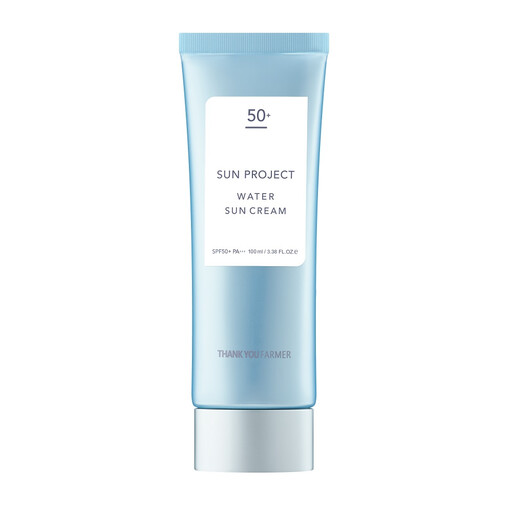
Why This Fits Their Persona: Perfect for the UK skincare lover who wants a cosmetically elegant, hydrating formula with high UVA protection (PA+++). It acts as a moisturiser and sunscreen in one, creating a dewy base for makeup.
This Korean sunscreen is famous for its water-gel texture that leaves no white cast and absorbs without stickiness, directly solving the "invisible finish" and "greasy feel" problems. It's designed to hydrate, reducing the chance of pilling.
Provides intense hydration and a natural, dewy finish. The formula contains soothing natural extracts like Centella Asiatica, making it a pleasure to use daily.
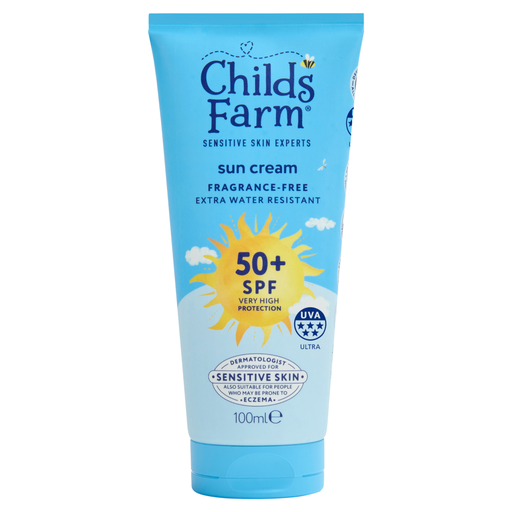
Why This Fits Their Persona: A go-to for UK families, especially those with young children or members with sensitive skin. It's a practical, reliable choice for days out at the park, beach trips or just playing in the garden.
This formula is fragrance-free and specifically formulated for sensitive and eczema-prone skin, avoiding irritation. Its water-resistant nature means it stays put during activity, preventing uneven coverage.
Offers very high, five-star UVA protection. According to the brand, it is clinically proven to be kind to sensitive skin and is suitable for babies from 0+ months, making it a versatile **kids sun cream**.
We have compiled a complete, real-time list of products that fully satisfy these strict selection criteria and UK safety regulations.
A common guideline is the "two-finger rule." Squeeze a line of sunscreen onto your index and middle fingers, from the base to the tip. This amount is generally considered sufficient for your face and neck to achieve the level of protection stated on the bottle. Under-applying significantly reduces the SPF.
Yes. Up to 80% of the sun's UVA rays can penetrate through clouds. Since UVA rays are a major contributor to skin ageing, wearing a broad-spectrum SPF 50 sunscreen daily is a key step in protecting your skin, regardless of whether the sun is shining brightly.
While you can, it's not always ideal. Sunscreens formulated specifically for the face are often lighter, less greasy and non-comedogenic to prevent breakouts. Body sunscreens can sometimes be thicker and heavier, which might feel uncomfortable or cause issues for those with sensitive or oily facial skin. If you have robust skin and the texture doesn't bother you, it's better than no protection at all.