
24/7 Customer Support

Free returns

Same-day & Next-day Delivery

Quality Guaranteed

Unlock Your Welcome Offers: FREE Delivery | Up to 80% OFF | Free 30-day JoyPlus trial
Download the APP
Choosing an SPF 50+ sunscreen is not simply a case of picking the highest number on the bottle. UK shoppers also need to consider UVA protection, texture, reapplication, skin sensitivity and whether the formula suits everyday use.
Marketing can make this difficult. A lightweight sunscreen may feel comfortable but still require frequent reapplication outdoors. A “water-resistant” sunscreen is not waterproof, while a product described as suitable for sensitive skin may still contain fragrance or ingredients that do not suit everyone.
This guide explains the practical specifications to check, followed by our top recommendations for different needs.
SPF mainly indicates protection against UVB, the rays associated with sunburn. For broader protection, look for a clearly stated UVA rating, such as the UVA circle used on products sold in the UK, or another clearly explained UVA classification.
A product labelled SPF 50+ but lacking clear UVA information may not meet your personal requirements, particularly if you are concerned about uneven pigmentation or long-term sun exposure.
Water-resistant sunscreen can be useful for swimming, exercise and holidays, but it will still wear away through water, sweat, towelling and clothing. Reapplication remains necessary. Do not rely on claims suggesting one application removes the need to reapply during a long day outdoors.
Using a thin layer may make a sunscreen feel less greasy, but reducing the quantity can lower the protection achieved. For the face and neck, follow the product’s stated application guidance. Many facial products use the practical “two-finger” method, while body products require a more generous amount.
For regular UK commuting, outdoor walks and holidays, high-protection sunscreen labelled SPF 50+ provides a high level of UVB protection when applied as directed. Look for clear wording about UVA and UVB protection, not SPF alone.
If pigmentation is a concern, a product with a tint may also provide visible coverage and help reduce the temptation to layer additional make-up. However, tinted sunscreen should still be applied generously; using a small amount for cosmetic coverage may not deliver the stated protection.
The most suitable daily facial sunscreen is one you will apply consistently. Oily or combination skin may feel more comfortable with a lightweight sunscreen or non-greasy fluid. Dry skin may prefer a cream or water-gel texture with humectants and emollient ingredients.
Make-up users should check whether the formula is described as quick-absorbing, invisible or suitable as a primer. Allow skincare and sunscreen to settle before applying foundation to reduce pilling.
For a sensitive skin sunscreen, review the full ingredient list rather than relying only on terms such as “gentle” or “hypoallergenic”. Fragrance, alcohol and certain UV filters may not suit everyone. Patch testing is sensible when trying a new product, especially if your skin is reactive.
For children, choose a product specifically labelled for the child’s age range and apply protective clothing, hats and shade as well. No sunscreen replaces sensible sun avoidance.
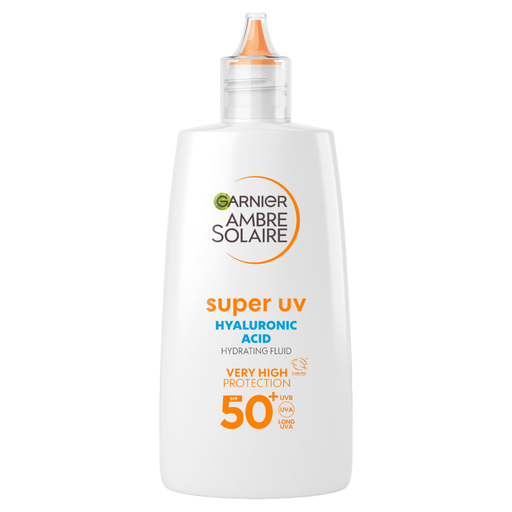
Why This Fits Their Persona: A practical face sunscreen SPF 50+ option for daily commuting, office days and layering under make-up. Its 40ml format is convenient for a handbag or work bag.
The fragrance-free, ultra-light formula is designed to avoid a heavy or sticky finish, while its stated UVA/UVB protection addresses the SPF-only pitfall.
SPF50+, fragrance-free, non-comedogenic and described as suitable for sensitive facial skin.
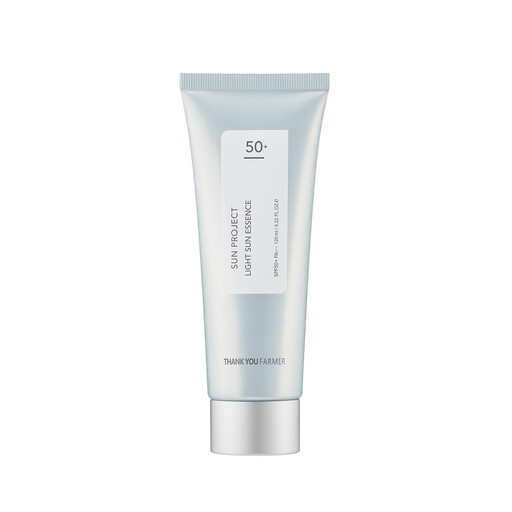
Why This Fits Their Persona: A Korean sunscreen-style essence for shoppers who prefer skincare-like textures and a luminous finish during everyday UK wear.
Its essence texture is positioned for a lighter, less sticky feel, helping counter the common problem of abandoning sunscreen because of an uncomfortable finish.
120ml size, SPF50+ rating, PA+++ marking and a non-greasy, quick-absorbing essence format.
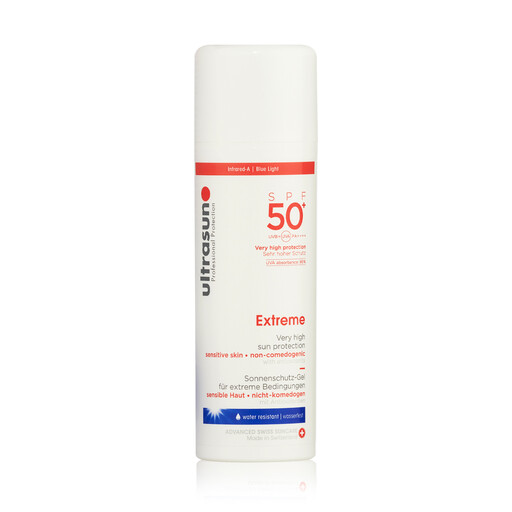
Why This Fits Their Persona: A larger face-and-body format for active outdoor users, travel, sport and extended exposure where a more substantial pack is useful.
The stated water-resistant format is more appropriate for active use, while the instructions still require reapplication after swimming or towelling.
150ml format, SPF50+, water-resistant formula and suitability for face and body use.
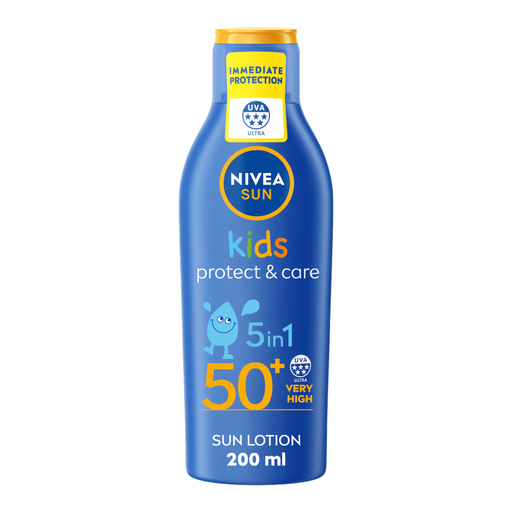
Why This Fits Their Persona: A 200ml children’s sunscreen SPF 50+ format for family days out, beach trips and active outdoor play for children aged three and above.
Its child-specific labelling and extra water-resistant description make the intended use clearer than choosing an adult facial product for the whole family.
SPF50+, UVA/UVB protection, 200ml bottle and extra water-resistant formulation for children aged 3+.
We have compiled a complete, real-time list of products that fully satisfy these strict selection criteria and UK safety regulations.
Yes, it can be used as a daily facial sunscreen or body sunscreen when applied as directed. Choose a texture you are comfortable wearing regularly and reapply when outdoors for extended periods.
The usable protection period depends on application quantity, sweating, water exposure and rubbing from clothing. Even water-resistant sunscreen needs reapplication after swimming or towelling. Follow the product instructions rather than relying on a fixed number of hours.