
24/7 Customer Support

Free returns

Same-day & Next-day Delivery

Quality Guaranteed

Unlock Your Welcome Offers: FREE Delivery | Up to 80% OFF | Free 30-day JoyPlus trial
Download the APP
Choosing an SPF 50 sunscreen can seem straightforward until you compare fluid, lotion, mineral and tinted formulas. Marketing terms such as “invisible”, “all-day” and “brightening” do not always tell you how a product will perform during a commute, a hot holiday or a family day outdoors.
The practical choice depends on more than the number on the front of the bottle. You need to check the type of UV protection, how much product you will use, whether the finish suits your skin and how often it needs reapplying.
SPF mainly indicates protection against UVB, the rays associated with sunburn. A broad-spectrum sunscreen should also provide UVA protection, which is linked with tanning and photoageing. In the UK, look for the UVA logo or a clearly stated UVA rating on the packaging.
Some imported products use a PA rating, such as PA+++ or PA++++, alongside SPF. These ratings are useful for comparing UVA protection within that system, but they should not replace checking the product’s UK packaging and directions.
A face sunscreen SPF50 may feel weightless, but applying too little can reduce the protection shown on the label. Two finger lengths is a commonly used facial application guide, while exposed body areas require a much larger amount. A thin layer swept quickly over the face, ears and neck may leave missed areas.
Look for a texture you will apply generously and consistently. A hydrating sunscreen may suit dry skin, while a quick-absorbing fluid can be more comfortable for oily or combination skin.
Water-resistant sunscreen is designed to retain protection for a stated period during water exposure, not to remain fully effective indefinitely. Swimming, perspiration, towelling and clothing can remove product. Even on a cloudy UK day, exposed skin may still receive UVA radiation.
A product promoted as long-lasting still needs to be used according to its label. Extra care is needed around midday, on beaches and during outdoor sport.
SPF 50 and SPF50+ indicate a high level of labelled UVB protection when the product is applied as directed. The “+” does not mean unlimited protection, so it is still important to apply enough product, reapply and use shade, clothing and sunglasses.
For children, choose a product specifically labelled for their age group. Keep babies and young children out of direct sunlight where possible, regardless of the sunscreen used.
A mineral sunscreen commonly uses zinc oxide or titanium dioxide. Axis-Y Complete No-Stress Physical Sunscreen, for example, lists zinc oxide as its main UV filter and is designed with sensitive skin in mind. Mineral formulas can sometimes leave a visible cast, although newer textures may reduce this effect.
Chemical filters absorb UV energy within the sunscreen film. Hybrid products combine filter types. The most suitable choice depends on comfort, skin sensitivity and finish rather than the label alone. Always read the current ingredient list, particularly if you avoid fragrance, alcohol or specific filters.
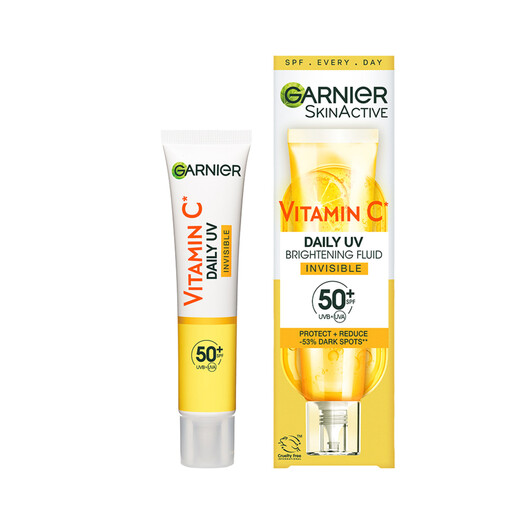
Why This Fits Their Persona: A compact daily facial sunscreen for shoppers wanting SPF50, a sheer finish and a brightening-focused routine before work or university.
Its 40ml fluid format is intended for face and neck use, helping shoppers avoid relying on a thick body lotion under make-up.
SPF50+ protection is paired with a lightweight fluid texture, mineral pigments and a vitamin C derivative.
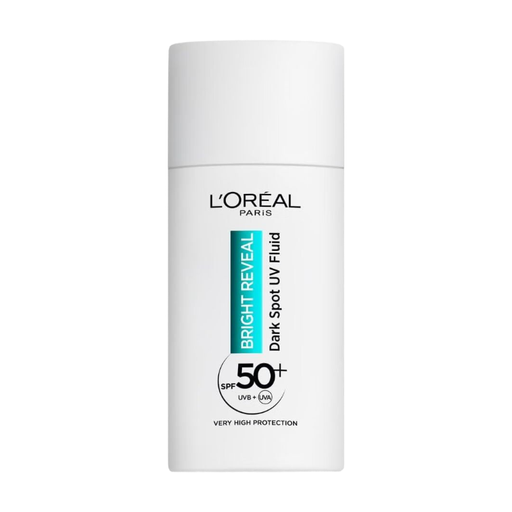
Why This Fits Their Persona: Suits shoppers seeking a daily facial sunscreen that can sit neatly within a skincare and make-up routine.
The listing specifies a fragrance-free, paraben-free, dye-free formula with an invisible, non-greasy finish; check the pack for the latest formulation.
Broad-spectrum SPF50 UVA/UVB protection, vitamin C and vitamin E, plus a finish described for use under make-up.
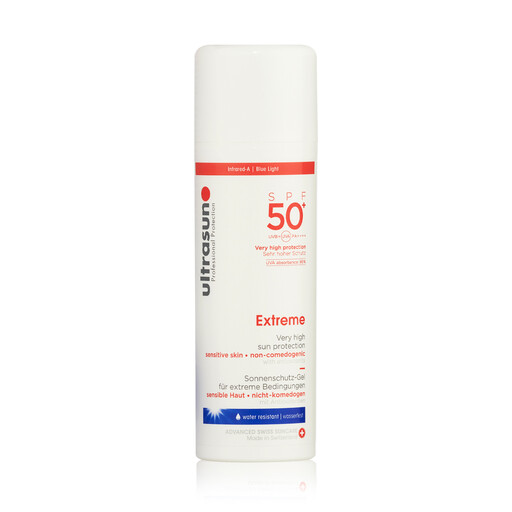
Why This Fits Their Persona: A larger face-and-body format for active outdoor use, travel and households that apply sunscreen frequently.
Its stated water-resistant format is more suitable for outdoor routines, but reapplication remains necessary after swimming or towelling.
150ml capacity, SPF50+ broad-spectrum protection and a fast-absorbing lotion designed for face and body.
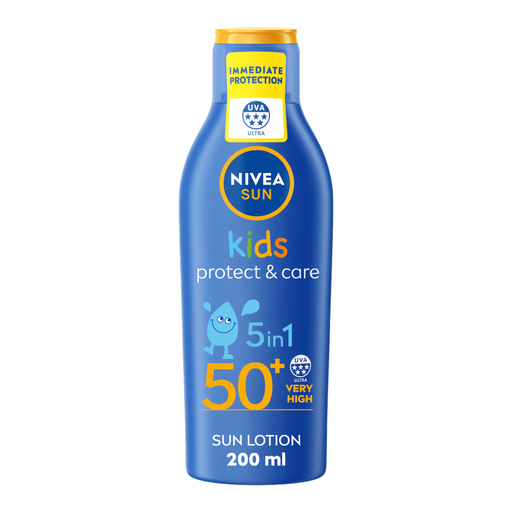
Why This Fits Their Persona: Designed for children aged three and over, with a generous bottle for repeated application during active outdoor days.
The product is labelled extra water resistant and specifically for children, but parents should still reapply after swimming, sweating or towelling.
200ml lotion, SPF50+ UVA/UVB protection and a formula containing panthenol and vitamin E.
We have compiled a complete, real-time list of products that fully satisfy these strict selection criteria and UK safety regulations.
Check the label before use, especially if you have sensitive skin, allergies or are buying sunscreen for children. Stop using a product if irritation develops. Store sunscreen away from excessive heat and direct sunlight, and check its period-after-opening symbol and current ingredients.
Yes, an SPF50 or SPF50+ product can be used daily on exposed skin. Choose a comfortable daily facial sunscreen so you are more likely to apply enough. UVA protection remains relevant throughout the year, including on overcast days.
There is no single lifespan for every formula. Follow the period-after-opening symbol, expiry information and storage instructions on the packaging. Discard a product if its texture, colour or smell changes, or if it has been stored in high heat.
Some hydrating sunscreen and make-up primer sunscreen formulas are designed to combine steps. However, this depends on your skin’s needs and the product’s finish. Apply enough sunscreen first, allow it to settle and then add make-up if required.