
24/7 全天候客户支持

免费退货

当日/次日达

品质保障

开启新人专享福利: 全场免邮 | 低至 2 折 | 免费试用 30 天 JoyPlus 会员
下载 Joybuy
With shelves full of lotions, fluids and sprays, choosing the right SPF 50 sunscreen can feel overwhelming. Worse, common marketing claims can lead to poor choices, leaving you with a greasy finish or, more seriously, inadequate protection against the British sun, which can be surprisingly strong. As a Joybuy Product Recommendation Officer, my role is to help you see past the hype and select a product that genuinely suits your needs.
Before you add a new sun cream to your basket, let's look at a few common pitfalls that can lead to wasted money and sun-damaged skin.
To ensure you get effective and comfortable protection, focus on these non-negotiable parameters.
The SPF (Sun Protection Factor) number primarily measures protection against UVB rays, the main cause of sunburn. An SPF 50 sunscreen blocks approximately 98% of UVB rays. However, UVA rays are equally important to block. They penetrate deeper into the skin and are the primary driver of premature ageing, contributing to wrinkles and pigmentation.
In the UK, look for a UVA star rating of 4 or 5 stars on the packaging. You may also see a "UVA" logo in a circle, which indicates it meets the EU recommendation for UVA protection. This ensures you are getting a true broad-spectrum, anti-ageing sun cream.
Sunscreens use two types of filters to protect your skin:
The right formula depends entirely on your lifestyle and skin type.
Instead of a generic list, we've matched specific products to the people who will get the most out of them.
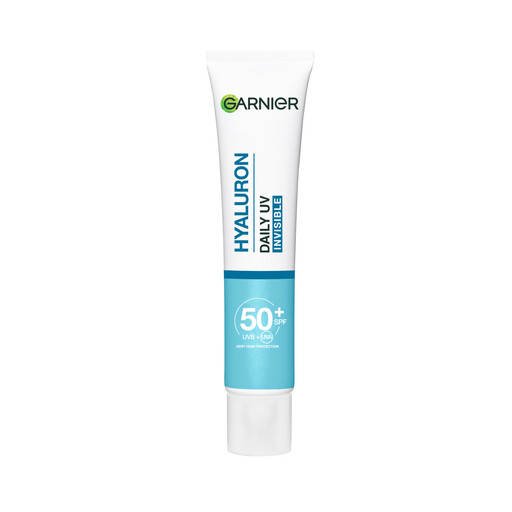
Why This Fits Their Persona: This is ideal for someone who needs a reliable daily SPF for their face that feels like skincare, not sunscreen. Its ultra-light fluid texture absorbs instantly, making it a perfect base for makeup without pilling or feeling heavy during a commute.
It directly counters the "greasy, white-cast" pitfall. The formula is developed to be an invisible fluid that blends seamlessly on all skin tones, leaving no white traces or sticky residue.
Combines very high SPF50+ broad-spectrum protection with skincare benefits from Hyaluronic Acid, which helps to hydrate and support the skin's natural barrier throughout the day.
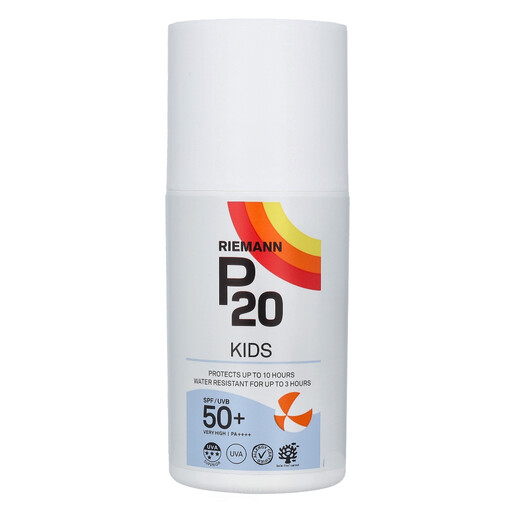
Why This Fits Their Persona: This is for families who need a reliable, no-fuss kids sun lotion for days at the park or beach. It's specifically formulated for children's sun-sensitive skin and is highly water-resistant, giving parents peace of mind during active play.
It tackles the "sensitive label ambiguity" head-on. This formula is dermatologically tested, hypoallergenic and free from fragrance and colourants, minimising the risk of irritation on delicate skin.
Offers high water resistance for up to 3 hours and superior UVA protection that exceeds EU standards. The formula is also fast-absorbing, making application on wriggly children much easier.
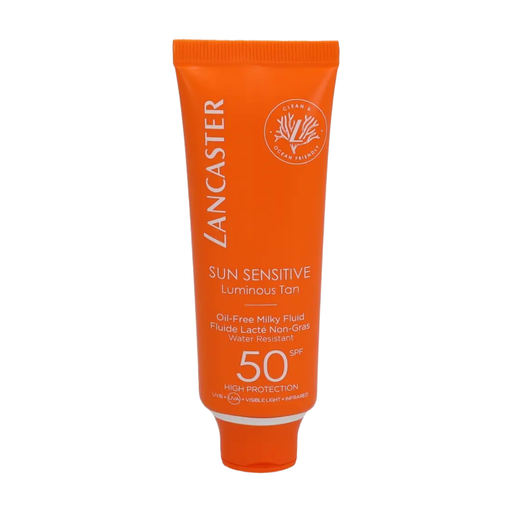
Why This Fits Their Persona: This is a premium choice for those whose skin reacts easily to sun and sunscreens. It's designed not just to protect but also to soothe and reduce redness, making it a comfortable choice for anyone with reactive or sun-sensitive skin.
It provides a clear solution to the "sensitive label" problem by using a specific Sunsicalm Complex to reinforce the skin's natural resistance. Its oil-free, high-tolerance formula is also non-comedogenic.
It features patented Full Light Technology, which protects against 100% of the sun's spectrum (UVA, UVB, Visible Light and Infrared), offering a more comprehensive defence than standard sunscreens.
We have compiled a complete, real-time list of products that fully satisfy these strict selection criteria and UK safety regulations.
A common guideline is the "two-finger rule." Squeeze a line of sunscreen onto your index and middle fingers, from the base to the tip. This amount is generally sufficient to cover your face and neck adequately. Under-applying is one of the biggest mistakes people make, which significantly reduces the stated SPF protection.
While you can, it's not always ideal. Sunscreens formulated for the body can sometimes be thicker, heavier or more likely to clog pores on the delicate skin of the face. A dedicated face sunscreen SPF 50 is typically lighter, more cosmetically elegant and often contains additional skincare ingredients suited for facial skin. If you have sensitive or acne-prone skin, sticking to a facial formula is a safer choice.
Yes, sunscreen does expire. The active ingredients that protect your skin break down over time, becoming less effective. Most products have a "period after opening" symbol (a small jar with a number like "12M") on the packaging, indicating how many months it's good for after being opened. If there's no date, a general rule is to replace it after one year. Using expired sunscreen is a risk not worth taking.