
24/7 Customer Support

Free returns

Same-day & Next-day Delivery

Quality Guaranteed

Unlock Your Welcome Offers: FREE Delivery | Up to 80% OFF | Free 30-day JoyPlus trial
Download the APP
As a Joybuy Product Recommendation Officer, my role is to help you navigate the crowded market of sun protection. Choosing the right SPF 50 sunscreen can feel overwhelming, with every bottle making bold promises. However, a high SPF number alone doesn't guarantee effective protection or a pleasant user experience. Many of us have been let down by products that felt greasy, left a white cast or didn't perform as advertised.
This guide cuts through the marketing clutter. We'll look at the common pitfalls to avoid and the essential factors to check, ensuring you find a sun cream that not only protects your skin but also fits seamlessly into your daily life.
Before you add a product to your basket, be aware of these frequent issues that can lead to disappointment and wasted money.
To make an informed choice, focus on these three non-negotiable parameters.
Effective sun protection must shield you from both types of harmful UV radiation.
The right texture transforms sun protection from a chore into a pleasure. Consider what you need from a daily facial SPF or a body sunscreen.
The term "waterproof" is no longer permitted on sunscreens in the UK, as no product is completely impervious to water. Instead, you will see:
This is a critical feature for holidays, sports or for a reliable kids sun cream, but remember that reapplication after towelling off is always necessary.
Based on these practical criteria, here are some standout options tailored to different needs and lifestyles.
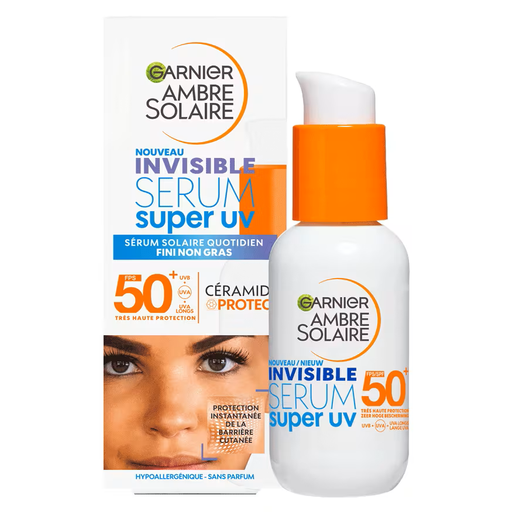
Why This Fits Their Persona: This is ideal for someone who needs a daily facial SPF that feels like skincare, not sunscreen. Its ultra-light serum texture is perfect for applying before a morning commute and layers invisibly under makeup without feeling heavy or greasy.
It directly counters the "non-greasy" myth. The fluid serum formula absorbs instantly, becoming truly invisible on all skin tones and leaving no white marks or sticky residue that can ruin a makeup application.
The formula is enriched with Ceramide, which helps to protect and reinforce the skin's natural barrier against UV rays and pollution. It offers very high SPF 50+ protection against UVB, UVA and long UVA rays.
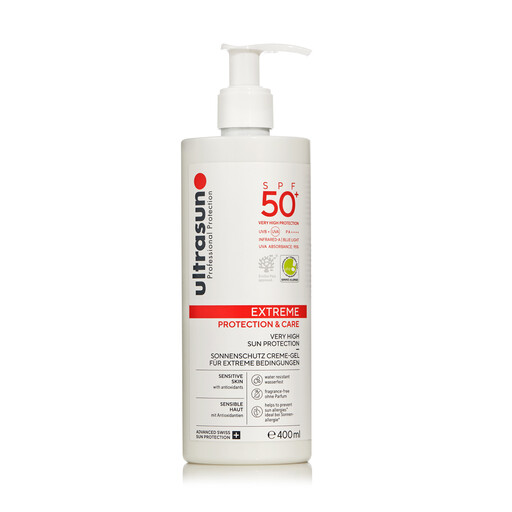
Why This Fits Their Persona: For families spending days at the park or on a UK beach holiday, this is a practical choice. The large 400ml pump bottle is economical and easy to use, while the formula is designed for intense sun and is suitable for everyone, including babies and those with very sensitive skin.
It avoids the "once-a-day" trap by providing a high-performance, water-resistant formula that you can trust between reapplications. Its lamellar technology is designed for long-lasting protection during outdoor activities.
It's a true all-rounder: very high SPF50+ protection, water-resistant, fast-absorbing and helps to prevent sun allergies and prickly heat. The formula is suitable for the entire family, simplifying your holiday packing.
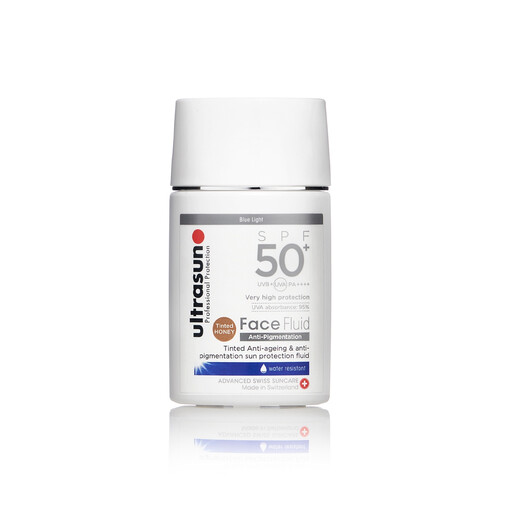
Why This Fits Their Persona: This is for the person whose sunscreen needs to do more. It combines very high protection with targeted skincare benefits, acting as an all-in-one primer, moisturiser and tinted SPF 50. It's perfect for those looking to streamline their routine while addressing concerns like hyperpigmentation.
It solves the "confusing labels" trap by offering a clear, targeted benefit. Instead of just being a sunscreen, it's a treatment product with an adaptive tint, making the choice simple for users concerned with uneven skin tone.
This ultra-lightweight fluid contains active ingredients that help manage pigmentation. The adaptive natural tint provides an even, radiant finish, making it an excellent base for makeup or for a natural "no-makeup" look.
We have compiled a complete, real-time list of products that fully satisfy these strict selection criteria and UK safety regulations.
A good rule of thumb is the "two-finger rule." Squeeze a line of sunscreen onto your index and middle fingers from base to tip. This amount is generally sufficient to provide the advertised SPF 50 protection for your face and neck. Under-applying significantly reduces the level of protection.
While you can, it's not always ideal. Many body sunscreens are thicker and may contain oils or fragrances that can clog pores or irritate the more delicate skin on your face. A dedicated sun cream for face is typically formulated to be lighter, non-comedogenic and to sit better under makeup.
Mineral sunscreens (containing zinc oxide and/or titanium dioxide) create a physical barrier on the skin that reflects UV rays. They are often preferred for sunscreen for sensitive skin as they are less likely to cause irritation. Chemical sunscreens work by absorbing UV radiation and converting it into heat. They are often found in lighter, more transparent formulas that are popular for daily use. Both are effective when used correctly.