
24/7 Customer Support

Free returns

Same-day & Next-day Delivery

Quality Guaranteed

Unlock Your Welcome Offers: FREE Delivery | Up to 80% OFF | Free 30-day JoyPlus trial
Download the APP
Navigating the world of sun protection can feel overwhelming. With shelves lined with countless bottles all promising high protection, it's easy to make a purchase you later regret. As a daily essential, the right SPF 50 sunscreen should feel comfortable, work with your skin and offer reliable protection. However, many of us have a drawer of half-used tubes that were too greasy, left a chalky cast, or caused breakouts.
Before you spend another pound, let's look at the common pitfalls that lead to buyer's remorse and how to sidestep them.
To find a formula you'll genuinely want to wear every day, it helps to understand a few core parameters. These details determine how a sunscreen will look, feel and perform on your unique skin.
The number on the bottle, like SPF 50, primarily indicates the level of protection against UVB radiation. A higher number offers more protection, but the difference becomes smaller at the top end. For example, SPF 30 blocks about 97% of UVB rays, while SPF 50 blocks about 98%.
For protection against premature ageing, you must check the UVA rating. In the UK, this is often shown as a UVA logo in a circle (indicating it meets the EU recommendation) or a star rating from one to five. For products from Asia, particularly Korean sunscreen, look for the PA system. PA++++ offers the highest level of UVA protection available. A good daily face sunscreen should have both high SPF and a high UVA rating.
Sunscreens use two types of filters to protect your skin, and your skin type may prefer one over the other.
The "best" texture is entirely personal. Your skin type and cosmetic preference will determine whether you need a rich cream, a light fluid, or a hydrating sunscreen serum.
Based on these practical considerations, we've matched some standout formulas to different user needs.
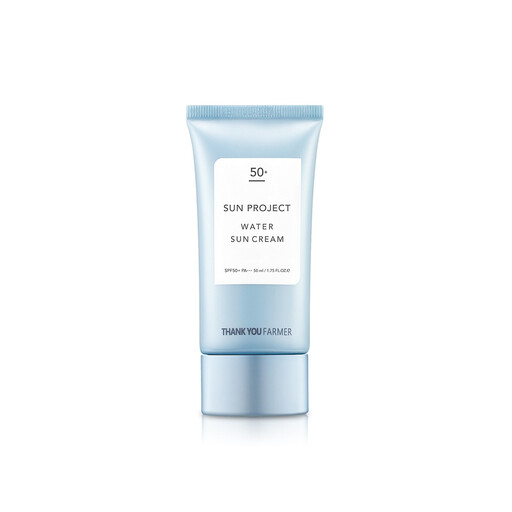
Why This Fits Their Persona: This Korean sunscreen is ideal for someone with normal to dry skin who wants hydration and sun protection in one step. It's perfect for wearing under makeup on office days, as it provides a dewy, radiant base without feeling heavy.
It directly counters the "greasy finish" problem for dry skin by acting as a moisturising cream, leaving a glowy, not oily, finish. It absorbs beautifully with no chalky residue.
Its primary benefit is its intense moisture infusion, which can often replace a separate morning moisturiser. It also contains soothing ingredients like Centella Asiatica.
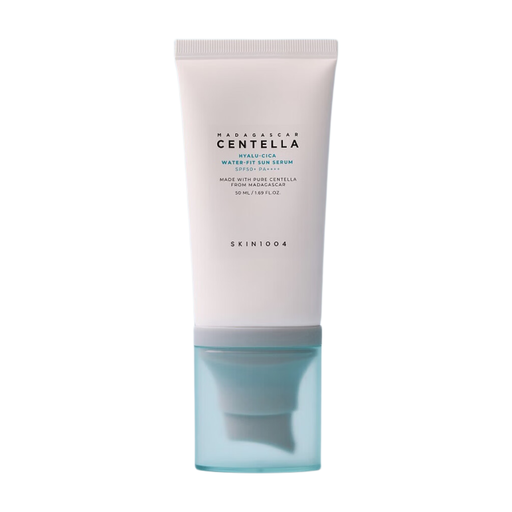
Why This Fits Their Persona: Anyone who dislikes the feeling of traditional sunscreen will appreciate this. Its ultra-light, serum-like texture is perfect for oily and combination skin types who need effective protection without the weight, shine or risk of clogged pores.
This formula is the antithesis of a heavy, greasy sun cream. It delivers on the "invisible finish" promise by absorbing instantly with zero white cast, feeling more like a skincare step than a sunscreen.
It combines high SPF 50+ and PA++++ protection with skincare benefits from Hyaluronic Acid and Centella Asiatica, hydrating and soothing the skin simultaneously.
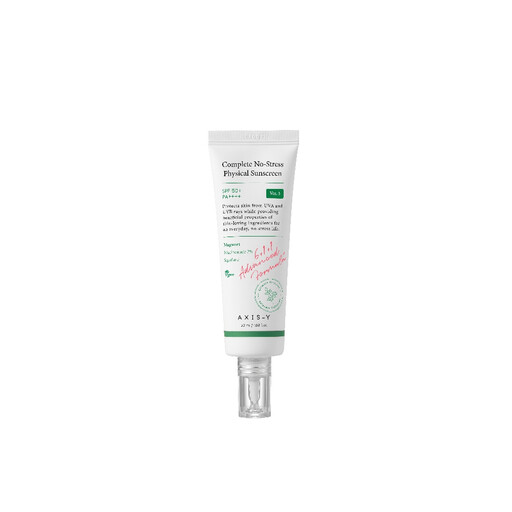
Why This Fits Their Persona: This is for the user who prioritises gentle ingredients. If your skin is reactive, easily irritated or you simply prefer a physical filter, this zinc-oxide-based formula provides high protection without common chemical irritants.
It tackles the notorious white cast of mineral sunscreens. Its modern formulation has a non-chalky texture that blends smoothly, avoiding the thick, pasty feel of older physical blockers.
It offers high SPF 50+ PA++++ protection using only mineral filters. The formula is also packed with soothing ingredients like mugwort and niacinamide to calm skin and regulate oil.
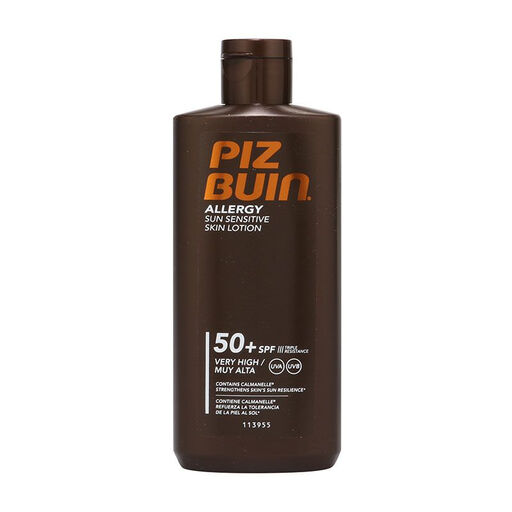
Why This Fits Their Persona: For holidays, beach days or garden play, you need a reliable, water-resistant **sun lotion for body** and face. This larger 200ml bottle is economical and formulated for sun-sensitive skin, making it a practical choice for the whole family.
It addresses the "once-a-day" myth by being explicitly sweat and water-resistant, acknowledging the need for reapplication during active use while providing a more durable layer of protection.
Its formula was developed with dermatologists for sensitive skin and includes an anti-irritant complex. It provides hours of moisturisation to prevent skin from feeling dry after sun exposure.
We have compiled a complete, real-time list of products that fully satisfy these strict selection criteria and UK safety regulations.
A common guideline for applying face sunscreen is the "two-finger rule." Squeeze a line of sunscreen onto your index and middle fingers from base to tip. This amount is generally sufficient to cover your face and neck adequately. Under-applying is one of the biggest mistakes and can significantly reduce the level of protection you receive.
While you can, it's not always ideal. Sun lotions for the body are often formulated to be thicker and more robust, which can feel heavy or clog pores on the more delicate skin of the face, potentially leading to breakouts. Face sunscreens are typically designed to be more cosmetically elegant, lighter and non-comedogenic. If you have sensitive or acne-prone skin, it's usually better to use a dedicated face formula.
SPF 30 filters out approximately 97% of UVB rays, while SPF 50 filters out about 98%. While that 1% difference may seem small, it means an SPF 50 product allows 50% less UV radiation to reach your skin compared to an SPF 30. For those with fair skin, a history of sun damage or who spend a lot of time outdoors, that extra protection can be meaningful. For daily incidental exposure, a high-quality SPF 30 is also a very effective option.