
24/7 Customer Support

Free returns

Same-day & Next-day Delivery

Quality Guaranteed

Unlock Your Welcome Offers: FREE Delivery | Up to 80% OFF | Free 30-day JoyPlus trial
Download the APP
Choosing SPF 50 sunscreen can seem straightforward, but packaging claims often hide important differences. A lightweight facial sunscreen may be unsuitable for swimming, while a rich body lotion may feel uncomfortable under make-up. Some formulas also advertise long-lasting protection in a way that can encourage users to reapply less often than necessary.
For UK shoppers, the main buying traps are:
SPF50 or SPF50+ indicates very high UVB protection when the product is applied in the tested quantity. However, SPF does not describe the full UVA performance. UVA contributes to tanning and long-term photoageing, and it can pass through cloud and glass more readily than UVB.
Look for:
For exposed face and neck skin, a facial sunscreen SPF50 with an invisible or low-residue finish may make daily application easier. For arms, legs and torso, a body sunscreen SPF50 in a larger bottle is generally more practical.
A moisturising sunscreen can suit dry or dehydrated skin, while a lightweight sunscreen or fluid may be more comfortable for oily and combination skin. Ingredients such as glycerin, hyaluronic acid, panthenol and plant oils can affect the skin feel, but they do not replace the product’s tested UV protection.
If your skin is reactive, review the full ingredient list. Fragrance, alcohol denat. and certain UV filters may not suit everyone. A sensitive skin sunscreen should still be patch-tested, particularly if you have previously reacted to cosmetics. “Dermatologically tested” describes a testing process; it does not guarantee that every user will tolerate the product.
Apply sunscreen generously to all exposed skin. Reducing the amount can significantly reduce the labelled protection. For the face, neck and ears, many manufacturers suggest a two-finger-length measure; for the body, follow the pack instructions and apply enough to form an even layer.
Reapply at least every two hours during extended outdoor exposure, and sooner after swimming, heavy perspiration or towel-drying. A 40–50ml face product is convenient for commuting, but a 150–250ml body lotion or spray is more economical for family holidays and outdoor activities.
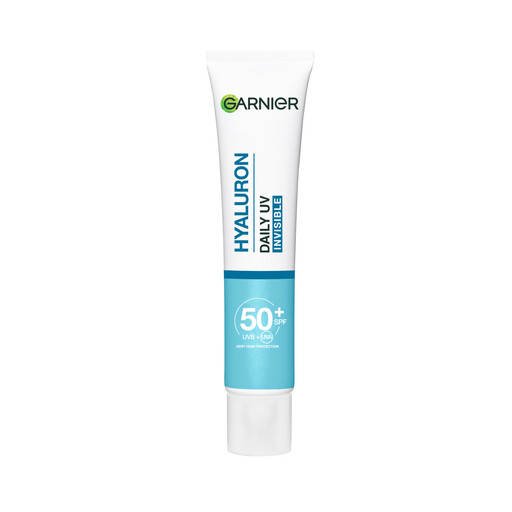
Why This Fits Their Persona: A compact daily facial fluid for shoppers who want SPF50 protection, hydration and a make-up-friendly texture in one morning step.
The stated lightweight, non-greasy fluid format helps avoid abandoning daily use because of a heavy finish. It is still a face product, not a substitute for a larger body lotion.
SPF50 protection; contains glycerin, hyaluronic acid and Ceramide NP; designed to blend without a visible white residue.
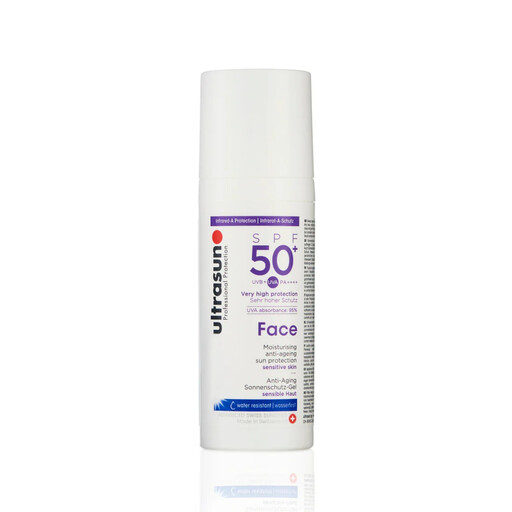
Why This Fits Their Persona: Suits daily commuters and shoppers prioritising a dedicated facial formula with broad-spectrum UVA and UVB protection.
Its stated non-comedogenic, lightweight format addresses the common problem of facial sunscreen feeling too greasy. Reapplication is still needed during prolonged outdoor exposure.
SPF50+; described as suitable for sensitive skin; includes glycerin, vitamin E and Ectoin in the listed formula.
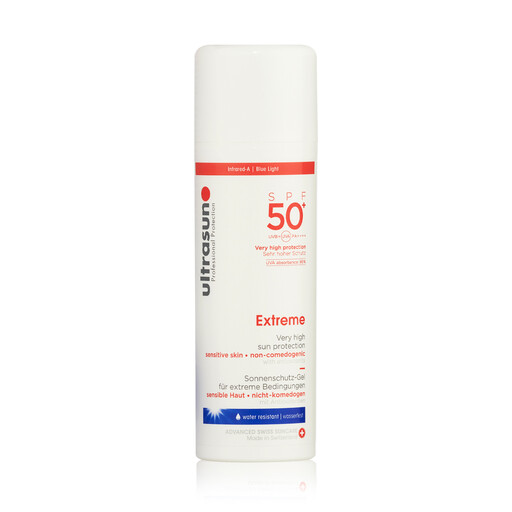
Why This Fits Their Persona: The 150ml size and face-and-body positioning suit outdoor workers, sports participants and families needing more coverage.
The larger format helps reduce the temptation to ration sunscreen. Its stated water-resistant feature is useful for active use, but does not remove the need to reapply.
SPF50+; designed for face and body; listed as water-resistant and fast-absorbing.
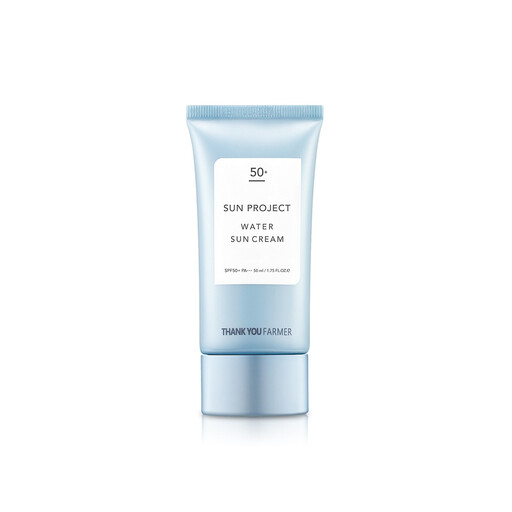
Why This Fits Their Persona: A Korean sunscreen option for normal-to-dry or dehydrated skin that prefers a moisturising, dewy finish.
The water-cream texture is positioned for hydration without a sticky residue, helping counter the heavy feel that can discourage regular use. Check fragrance and botanical ingredients if your skin is reactive.
SPF50+ PA+++; includes sodium hyaluronate and botanical extracts; listed as leaving a dewy, non-white-cast finish.
We have compiled a complete, real-time list of products that fully satisfy these strict selection criteria and UK safety regulations.
Yes, SPF50 or SPF50+ can be used for daily sun protection, particularly during outdoor activities, summer travel and periods of strong sunlight. Apply it generously to exposed skin and combine it with clothing, shade and sunglasses. Reapply when required rather than relying on the morning application all day.
Reapply at least every two hours during prolonged exposure, and immediately after swimming, sweating heavily or towel-drying. “All-day” wording should not be treated as permission to skip reapplication, especially if the product has rubbed off or coverage was uneven.
Yes. Check the expiry date, batch information and open-jar symbol on the packaging. Heat, sunlight and poor storage can affect the formula. If the product’s smell, colour or texture changes, stop using it and check the label or contact the seller.