
24/7 Customer Support

Free returns

Same-day & Next-day Delivery

Quality Guaranteed

Unlock Your Welcome Offers: FREE Delivery | Up to 80% OFF | Free 30-day JoyPlus trial
Download the APP
Choosing an SPF 50 sunscreen should be straightforward, yet product labels can make comparison difficult. A high number on the bottle does not automatically mean the formula suits your skin, daily routine or outdoor plans. Texture, UVA marking, application quantity and water resistance all affect whether you receive the protection stated on the label.
Before buying an SPF 50+ sun cream, watch for these common pitfalls:
SPF 50 or SPF 50+ indicates high UVB protection when the product is applied in the correct amount. It does not mean 100% of ultraviolet radiation is blocked, and it should not be used as permission to stay outside for longer.
For broader coverage, check for UVA and UVB protection. In the UK, the UVA circle, UVA wording or a recognised star rating can help you compare products. Some listings also use Asian protection terminology such as PA+++ or PA++++. These markings are useful additional information, but always review the full packaging and directions before use.
A mineral sunscreen commonly uses zinc oxide or titanium dioxide to form a protective layer on the skin. This can suit shoppers who prefer a physical sunscreen, although some mineral formulations may leave a visible cast.
Chemical or organic UV filters absorb ultraviolet energy within the protective film. Hybrid products combine different filter types. Neither category is automatically suitable for everyone, so examine the ingredient list if you have known sensitivities.
For sensitive skin, consider fragrance-free sunscreen, fewer potential irritants and a simple patch test before applying to the face. If a product contains alcohol, fragrance, botanical extracts or active skincare ingredients, check whether these fit your personal routine.
A daily sunscreen for commuting may prioritise a lightweight, non-greasy finish that sits comfortably beneath make-up. A beach, gardening or sports product may need water-resistant sunscreen properties and frequent reapplication.
Look for practical details such as:
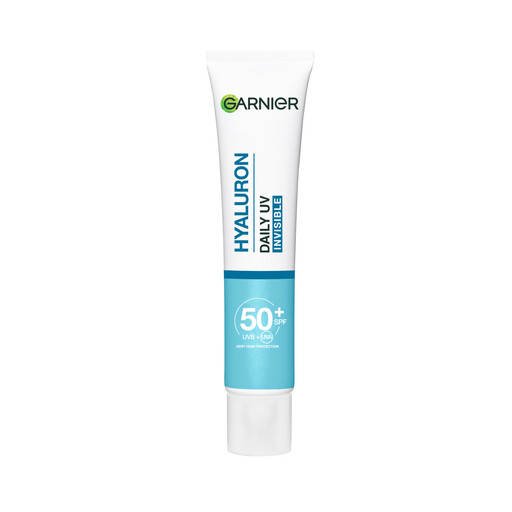
Why This Fits Their Persona: This lightweight facial sunscreen is practical for everyday commuting and can be used as a moisturising step or layered over day cream before make-up.
Its sheer fluid format is designed to blend without white traces, helping avoid the common problem of abandoning sunscreen because it feels heavy or visibly chalky.
SPF50+ protection; contains glycerin, hyaluronic acid and Ceramide NP; non-greasy finish.
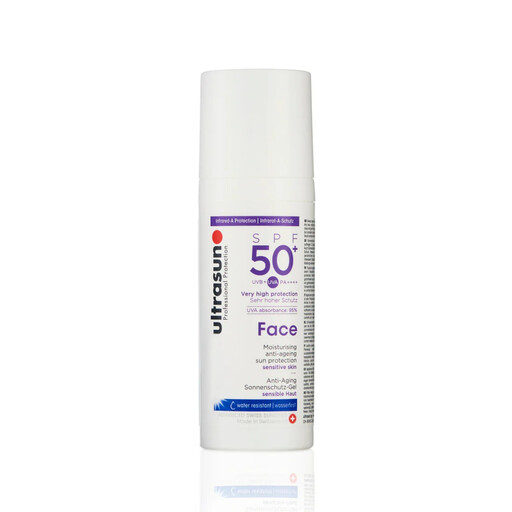
Why This Fits Their Persona: A face-focused option for shoppers who want a dedicated daily formula that can sit within a streamlined skincare and make-up routine.
The product information specifies broad-spectrum UVA and UVB protection, a non-comedogenic texture and use as a primer, moisturiser and sunscreen.
SPF50+; lamellar technology; contains Ectoin; suitable for sensitive skin according to the product description.
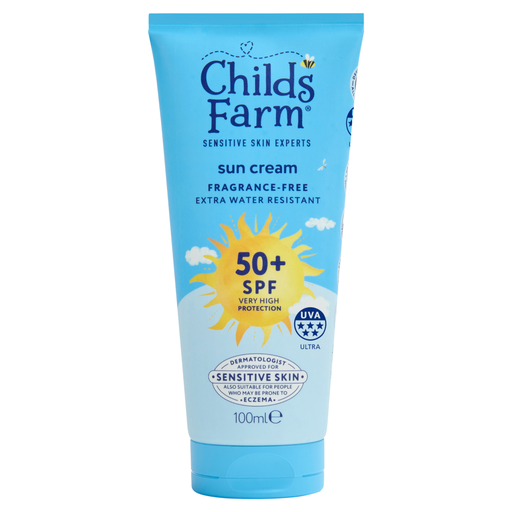
Why This Fits Their Persona: Parents need a convenient sunscreen for children that can cope with active outdoor play, repeated application and contact with water.
The listing states SPF50+, five-star UVA protection, extra water resistance and suitability for children aged 0+ months. Reapplication is still required after swimming, sweating or towelling.
Fragrance-free formula; quick-absorbing texture; 100ml format for family outings.
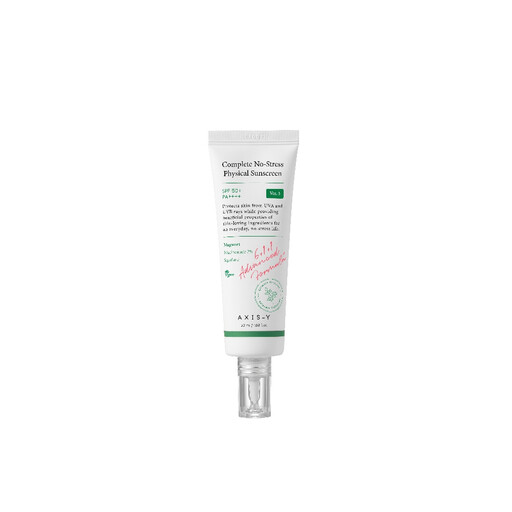
Why This Fits Their Persona: A face sunscreen option for shoppers looking for a zinc oxide-based formula with a light texture for daily use and make-up application.
The product description identifies a physical zinc oxide base, fragrance-free formula and non-chalky finish. A patch test remains sensible before first use.
SPF50 PA++++; contains centella, mugwort, niacinamide, squalane and hyaluronic acid; vegan-friendly and fragrance-free according to the listing.
We have compiled a complete, real-time list of products that fully satisfy these strict selection criteria and UK safety regulations.
Yes, many shoppers use SPF 50 or SPF 50+ as a daily sunscreen on exposed skin. Select a formula you can apply in the correct amount and reapply when spending extended time outdoors. Check both the SPF and UVA marking rather than relying on SPF alone.
This depends on the amount applied, the size of the container and how often it is reapplied. A 40–50ml facial product may be used quickly if applied to the face, neck and chest every day. A 100ml or 200ml sun lotion is generally more practical for family or full-body use, but always follow the packaging directions.
It can, but suitability depends on the individual formula and your skin. Look for features such as fragrance-free, non-comedogenic or mineral sunscreen where relevant, and review the full ingredient list. Patch test a new product first and stop using it if irritation occurs. For persistent skin concerns, seek advice from a qualified healthcare professional.