
24/7 Customer Support

Free returns

Same-day & Next-day Delivery

Quality Guaranteed

Unlock Your Welcome Offers: FREE Delivery | Up to 80% OFF | Free 30-day JoyPlus trial
Download the APP
Choosing an SPF 50 sunscreen is not simply a matter of picking the highest number on the bottle. UK shoppers also need to consider UVA protection, application amount, water resistance, skin compatibility and whether the formula will actually be comfortable enough for daily use.
A product that feels greasy may be left at home, while a facial sunscreen SPF50 that pills under foundation may be used too sparingly. The practical choice is the one that matches your routine and encourages adequate, regular application.
SPF primarily indicates protection against UVB, the rays strongly associated with sunburn. It does not, by itself, explain the full level of UVA protection. Look for a UVA logo, a UVA rating or wording such as broad-spectrum UVA and UVB protection on the packaging.
Some imported products also use the PA rating system. For example, PA+++ indicates a stated UVA protection category, but UK shoppers should still check the product packaging and retailer information for the relevant UVA marking.
No sunscreen removes the need for shade, protective clothing, sunglasses and avoiding prolonged exposure during the strongest sunshine.
A water-resistant sunscreen can lose product through swimming, sweating, towelling and clothing friction. “Extra water resistant” describes a product feature, not permission to skip reapplication.
For holidays, outdoor sport or children’s play, choose a water-resistant sunscreen and follow the label instructions. Apply generously before exposure, then reapply after swimming, perspiring or towel drying.
Terms such as “invisible”, “glowing”, “mineral”, “moisturising” and “sensitive skin” describe the intended experience or formulation, but they do not guarantee that every user will find the product suitable.
Check the ingredient list for known personal triggers. Fragrance, alcohol denat., botanical extracts and certain preservatives may matter to some users. If your skin is reactive, patch test a new product and stop using it if irritation develops.
For regular UK commuting, walking and outdoor errands, SPF50 or SPF50+ provides a high level of labelled UVB protection when applied correctly. Look for clear UVA information as well as the SPF value.
Apply sunscreen as the final step of your morning skincare routine. For the face and neck, many product directions use approximately two finger lengths as a practical guide. For the exposed body, public health guidance commonly refers to around 2 mg per square centimetre, which is roughly six to eight teaspoons for an adult’s full body.
Using less than the recommended amount can significantly reduce the labelled protection.
A mineral sunscreen usually uses filters such as zinc oxide or titanium dioxide. It may suit shoppers who prefer a physical-filter formula, although some mineral products can leave a visible cast or feel heavier.
Chemical or hybrid formulas may spread more transparently. An invisible sunscreen or lightweight fluid can be more convenient under make-up, while a moisturising sunscreen may reduce the need for a separate morning cream.
For dry skin, look for humectants and emollients such as glycerin, hyaluronic acid or selected plant oils. Oily or acne-prone users may prefer a lightweight, non-greasy or non-comedogenic formula, but individual tolerance still varies.
A 40–50ml facial sunscreen is portable and designed for daily face and neck use. A 200ml lotion is more economical for arms, legs and other exposed body areas, particularly when several family members need regular application.
Check age guidance carefully. Babies and young children should be kept out of direct sunlight. The NIVEA children’s product below is listed for children aged 3 years and above, so it should not automatically be treated as suitable for younger babies.
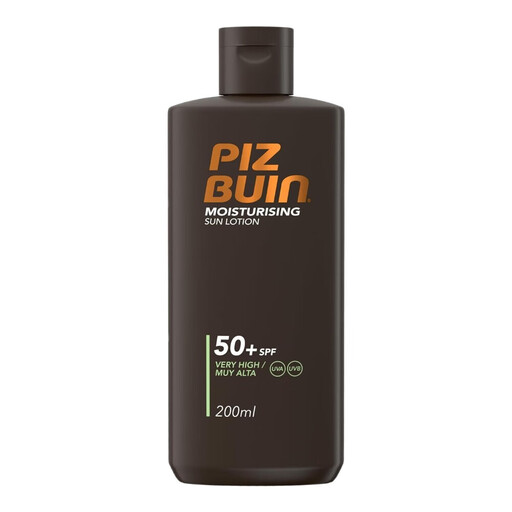
Why This Fits Their Persona: The 200ml format is practical for regular body use, commuting and shared household application where a small facial tube may run out quickly.
Its directions clearly stress generous application and reapplication after sweating, swimming or wiping the skin, helping avoid under-application.
SPF50+, moisturising formula, light texture and 200ml body-friendly size.
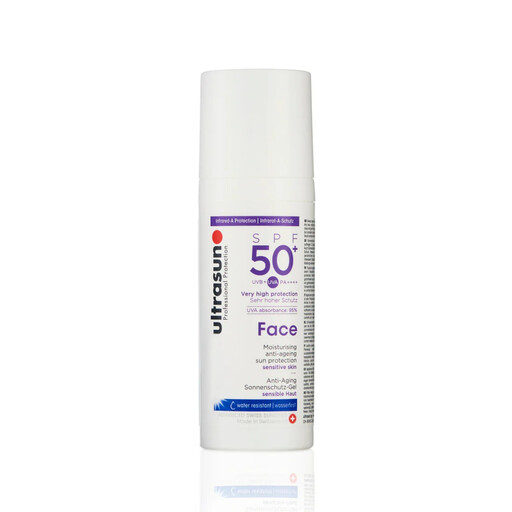
Why This Fits Their Persona: A dedicated daily facial formula for shoppers seeking a face-and-neck product that can sit within a structured morning skincare routine.
The product directions specify face, neck and décolletage application and advise using two finger lengths, rather than relying on a thin cosmetic layer.
SPF50+, broad-spectrum UVA/UVB protection, Ectoin and a lightweight, non-comedogenic texture.
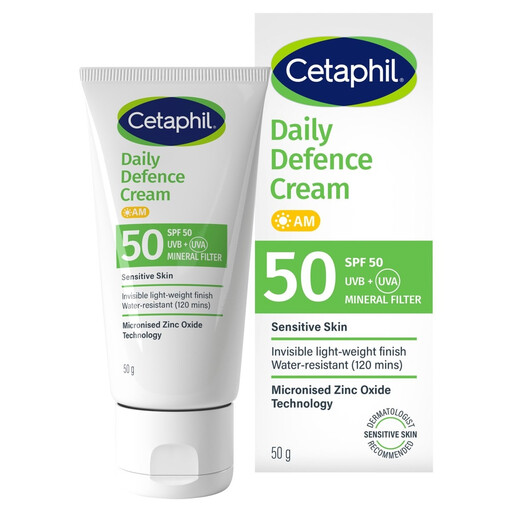
Why This Fits Their Persona: Suitable for shoppers prioritising a fragrance-free mineral sunscreen with a short, clearly presented daily-use profile.
The listing identifies micronised zinc oxide, no added fragrance and a non-comedogenic formula, making key selection points easier to check before purchase.
Mineral zinc oxide, 120-minute water-resistance statement, fragrance-free 50g cream.
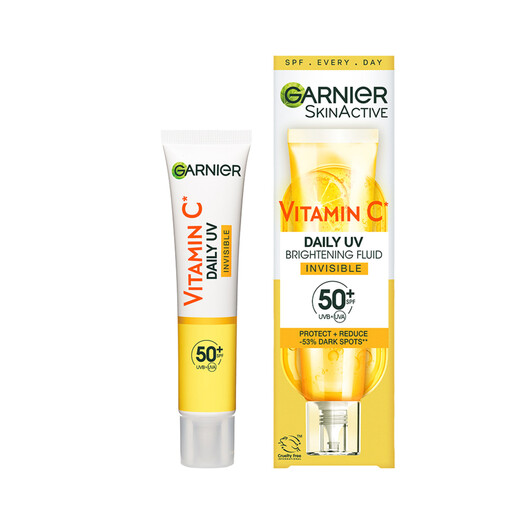
Why This Fits Their Persona: The fluid format is designed for morning use before make-up, making it convenient for workdays and daily facial application.
Its stated sheer, non-greasy texture addresses the common white-cast and heavy-finish problem, though users should still apply the full recommended quantity.
SPF50+, protection against UVB, UVA and long-UVA, with a lightweight fluid designed for different skin tones.
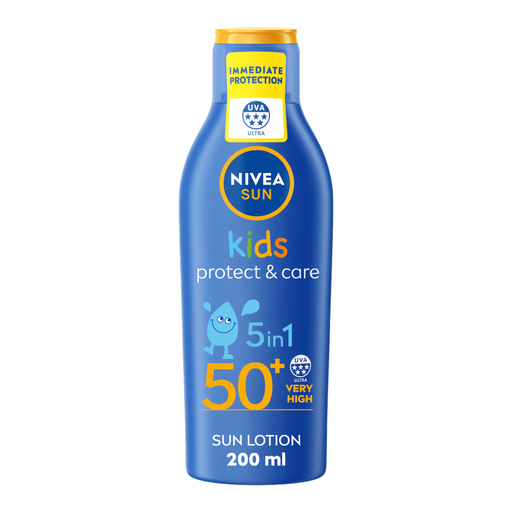
Why This Fits Their Persona: A 200ml lotion for children aged 3+ who spend time swimming, playing outdoors or perspiring during family activities.
It is listed as extra water resistant and includes clear instructions to reapply after swimming, sweating or towelling. It is not a substitute for shade or protective clothing.
SPF50+, extra water-resistant lotion, panthenol and vitamins E and C; listed for ages 3+.
We have compiled a complete, real-time list of products that fully satisfy these strict selection criteria and UK safety regulations.
Yes, SPF50 can be used as a daily face or body sunscreen. Apply enough to achieve the labelled protection and look for UVA protection as well as SPF. Reapplication remains important during outdoor exposure, even on cooler or cloudy days.
It depends on the area covered and how often it is reapplied. A 40–50ml facial product may be used quickly when applied to the face and neck every morning. A 200ml SPF50 sun cream is more practical for repeated body application or family use. Do not reduce the amount to make a bottle last longer, as this reduces protection.
Many facial fluids and lightweight creams are designed for use beneath make-up. Allow the sunscreen to settle before foundation and avoid rubbing aggressively, which can cause pilling. If you need to reapply over make-up, use a separate product format that allows adequate coverage rather than relying on a very light mist or thin layer.