
24/7 Customer Support

Free returns

Same-day & Next-day Delivery

Quality Guaranteed

Unlock Your Welcome Offers: FREE Delivery | Up to 80% OFF | Free 30-day JoyPlus trial
Download the APP
Choosing an SPF 30 sunscreen can seem straightforward, but product labels often make comparison harder than it needs to be. Terms such as “hydrating”, “long-lasting” and “water-resistant” may sound useful without explaining how a formula fits your skin, routine or outdoor plans.
For UK shoppers, the right choice depends on more than the SPF number. You should also check UVA coverage, application format, skin compatibility and whether the product is suitable for face, body or family use.
SPF mainly indicates protection against UVB rays, which are associated with sunburn. It does not, by itself, describe the level of UVA protection. UVA contributes to longer-term sun damage and visible skin ageing, so look for a clear UVA symbol, star rating or broad-spectrum wording on the packaging.
A product described as offering UVA and UVB protection is easier to assess than one that only displays a large SPF number.
A water-resistant sunscreen may retain protection during swimming or sweating for a stated period, but no sun cream remains fully effective indefinitely in water. Towel drying, rubbing, perspiration and swimming can all remove product.
If you are buying an SPF 30 sun lotion for holidays, walking or sports, choose a water-resistant formula and plan to reapply after swimming, sweating or towelling.
Using a small amount may reduce the protection you receive. A sunscreen should be applied generously and evenly to exposed skin before going outside, with extra attention to ears, neck, shoulders, hands, feet and the parting of the hair.
A 200ml bottle may be more practical for family holidays or regular body application than a 30ml face product, even if the smaller product is easier to carry.
For many adults, SPF 30 is a practical level for everyday outdoor use, but it should be combined with shade, clothing, a hat and sunglasses. Avoid prolonged exposure during the strongest sunlight, and keep babies and young children out of direct sunlight.
For a dependable product comparison, check:
A dedicated SPF 30 face sunscreen may have a lighter texture or primer-like finish, while an SPF 30 body sunscreen is usually supplied in a larger lotion or spray format.
A moisturising sunscreen can help skin feel more comfortable, particularly if sun exposure leaves it dry. However, rich formulas may feel less suitable under makeup or during exercise. Lightweight, fast-absorbing textures are often more convenient for daily use, whereas a nourishing lotion may be preferable for arms, legs and shoulders.
Those seeking sensitive skin sunscreen should read the full ingredient list rather than relying only on front-of-pack wording. Patch testing a new formula is sensible, especially if your skin is easily irritated.
Consider how and where you will use the product. A face essence or sunscreen dropper may work well in a morning routine, but it may offer poor value for covering the entire body. For a family, larger 150ml to 200ml bottles can reduce the need to carry several containers.
Reapply frequently and after swimming, sweating or towelling. If you want sunscreen under makeup, allow the product to settle before applying foundation, and remember that a small amount mixed into makeup may not provide the labelled level of protection.
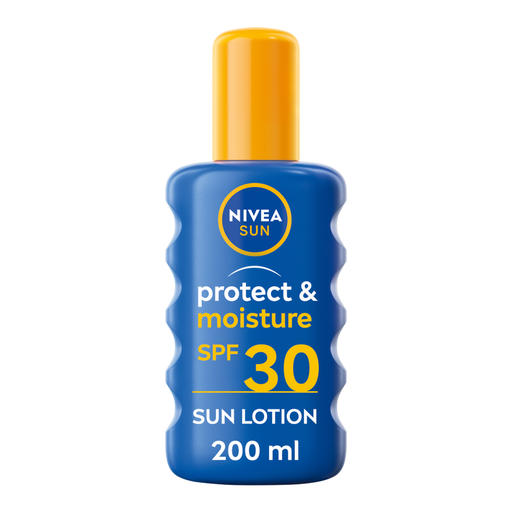
Why This Fits Their Persona: A 200ml lotion is a practical option for regular body application, day trips and shared household use in the UK.
The product information specifies UVA and UVB protection, moisturisation and water resistance rather than relying on SPF wording alone.
200ml size; listed as water-resistant; includes Vitamin E and provides up to 48 hours of moisturisation according to the product description.
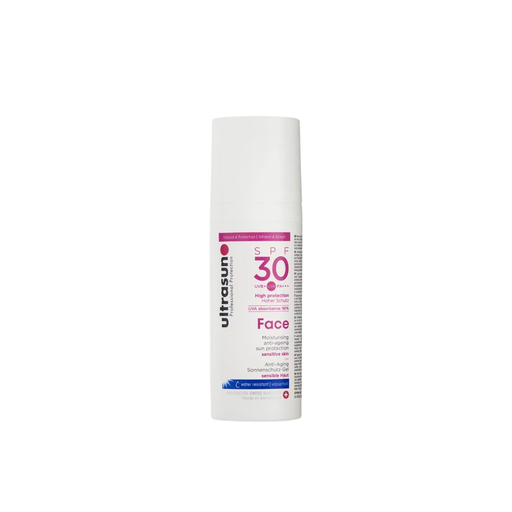
Why This Fits Their Persona: Designed for daily facial use, it suits shoppers who want a lightweight sunscreen that can sit beneath makeup.
Its face-specific format avoids using a heavy body lotion on the face and provides a stated application quantity for face, neck and décolletage.
50ml face format; lightweight, non-greasy and non-comedogenic formula; suitable for sensitive skin according to the product description.
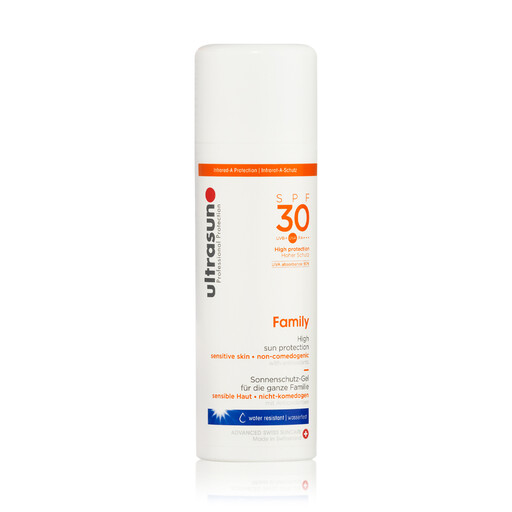
Why This Fits Their Persona: Suitable for face and body, this format is intended for family holidays, outdoor activities and extended time outside.
The product details specify frequent reapplication after swimming or towelling, making the usage expectations clear rather than implying permanent coverage.
150ml family size; perfume-free and oil-free formula; long-lasting and water-resistant protection listed for sensitive skin.
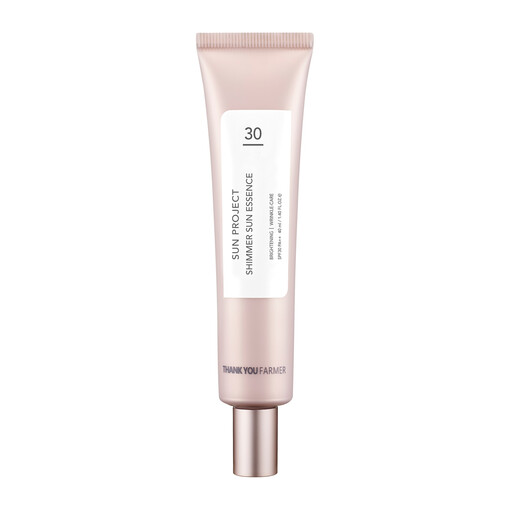
Why This Fits Their Persona: A face-focused essence for shoppers who prefer a radiant finish and want their sun cream to work with a makeup routine.
Its 40ml size and face-only positioning make its intended use clear, avoiding the cost and application issues of using a small facial product on the body.
Watery essence texture; pink micro-pearls provide a luminous finish; listed as suitable for use as a makeup base.
We have compiled a complete, real-time list of products that fully satisfy these strict selection criteria and UK safety regulations.
SPF 30 can be suitable for everyday outdoor use when applied generously and reapplied as directed. It should not be treated as permission for prolonged sun exposure. Use shade, protective clothing, a hat and sunglasses as additional measures, particularly during strong sunlight.
Reapply frequently and immediately after swimming, sweating or towel drying. For extended outdoor exposure, many product instructions advise reapplying at least every two hours. Always follow the directions printed on your chosen product.
Yes, some facial formulas are designed to sit beneath makeup. Allow the sunscreen to absorb before applying foundation. Avoid mixing sunscreen into makeup if the product instructions warn that blending can reduce the stated SPF, and use enough sunscreen to cover the face, neck and other exposed areas.