
24/7 全天候客户支持

免费退货

当日/次日达

品质保障

开启新人专享福利: 全场免邮 | 低至 2 折 | 免费试用 30 天 JoyPlus 会员
下载 Joybuy
Navigating the world of daily facial sunscreen can feel overwhelming. With promises of invisible finishes, anti-ageing benefits and all-day protection, it's easy to end up with a product that doesn't live up to its claims, leaving you with a greasy complexion, a chalky white cast or worse, inadequate protection. As a Joybuy Product Recommendation Officer, my role is to help you sidestep these common issues and find a product that genuinely works for your skin and lifestyle.
Before you add another tube to your basket, let's look at the frequent pitfalls that UK shoppers encounter when buying an SPF50 face cream.
To ensure you're getting effective protection and a product you'll enjoy using daily, focus on these key parameters.
The SPF50 rating on the bottle primarily indicates the level of protection against UVB rays—the rays responsible for sunburn. However, UVA rays, which penetrate deeper into the skin, are the main culprits behind premature ageing, wrinkles and the formation of dark spots. In the UK, look for a "Broad-Spectrum" label, a 5-star UVA rating or the letters "UVA" in a circle. A high PA rating (e.g., PA+++ or PA++++) is another common indicator of strong UVA defence. A genuine high protection sunscreen for face must defend against both.
The cosmetic elegance of a sunscreen—how it feels and looks on the skin—is crucial for consistent daily use.
A modern daily facial sunscreen should do more than just protect. Many now function as a moisturiser with SPF50, incorporating beneficial ingredients that address specific concerns. If you're looking for an anti-ageing sunscreen or a hydrating sun cream, check the ingredient list for proven actives like Hyaluronic Acid for moisture, Niacinamide for calming and pore refinement or Vitamin C for brightening and antioxidant support. This ensures the product is a valuable addition to your skincare regimen, not just another layer.
Here are a few options that align with our selection criteria, matched to different user needs.
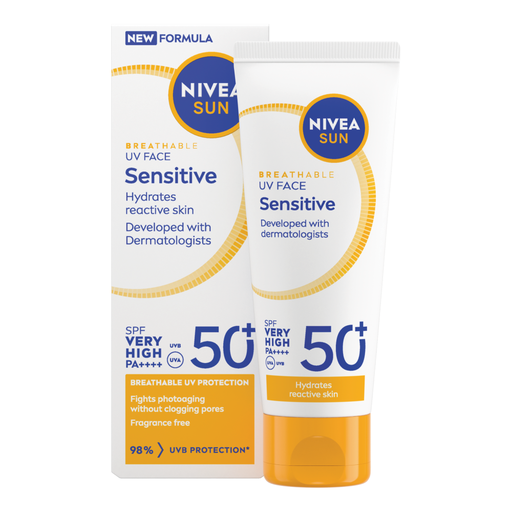
Why This Fits Their Persona: Ideal for daily use in the UK, this sunscreen is designed for reactive skin that can be easily irritated. Its lightweight formula is comfortable for office environments and sits well under makeup without causing issues.
It directly counters the "invisible finish that isn't" pitfall. The non-comedogenic, 0% greasy formula provides a genuinely comfortable, breathable finish that won't clog pores or feel heavy on the skin.
Developed with dermatologists, it helps prevent sun allergies and irritation, making it a reliable choice for truly sensitive skin types.
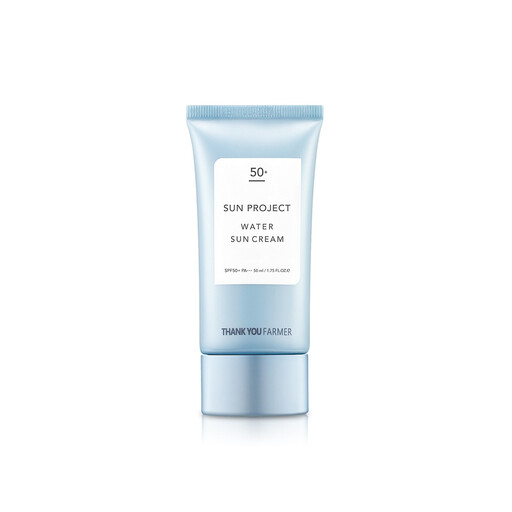
Why This Fits Their Persona: Perfect for those with normal to dry skin who want their sunscreen to double as a hydrating moisturiser. It delivers a dewy, radiant glow that is popular in modern skincare routines and creates a smooth canvas for makeup.
This product sidesteps the "all-in-one that's a master of none" trap by being a genuinely effective hydrating sun cream. Its formula includes Bamboo Water, Centella Asiatica and Hyaluronic Acid for real moisture infusion.
It leaves a radiant, transparent glow without any sticky residue or white cast, making it an excellent primer for a seamless, pill-free makeup base.
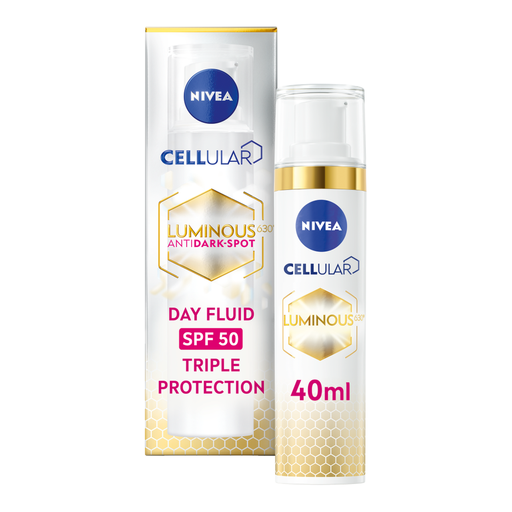
Why This Fits Their Persona: This is for the person whose primary skincare goal is tackling uneven skin tone and preventing sun-induced hyperpigmentation. It combines high sun protection with a targeted treatment for dark spots.
It avoids the "marketing-only benefits" trap by featuring a patented ingredient specifically developed to address dark spots. According to NIVEA, it took 10 years of research to find this ingredient, making its claim a core function.
This fluid offers a dual-action approach: protecting from future sun damage while actively working to reduce the appearance of existing dark spots for a more even complexion.
We have compiled a complete, real-time list of products that fully satisfy these strict selection criteria and UK safety regulations.
The general rule for proper coverage is the "two-finger" method. Squeeze a line of sunscreen onto your index and middle fingers, from the base to the tip. This amount is typically sufficient for your face and neck. Applying less will significantly reduce the level of protection stated on the bottle.
This depends on your skin type and the product's formulation. If you have oily or normal skin, a good hydrating sun cream may provide enough moisture for your morning routine. However, if you have dry or dehydrated skin, you will likely benefit from applying your regular moisturiser first, letting it absorb, and then applying your sunscreen on top.
Yes. Up to 80% of the sun's UVA rays can penetrate through clouds, fog and even glass. Since UVA rays are a primary cause of skin ageing, wearing a broad-spectrum SPF50 face cream every day is one of the most effective steps you can take to protect your skin's long-term health, regardless of the weather.