
24/7 全天候客户支持

免费退货

当日/次日达

品质保障

开启新人专享福利: 全场免邮 | 低至 2 折 | 免费试用 30 天 JoyPlus 会员
下载 Joybuy
As a Joybuy Product Recommendation Officer, my role is to help you navigate the crowded shelves of skincare. When it comes to SPF50 sun cream, the choices can feel overwhelming. With so many formulas promising flawless protection, it's easy to end up with a product that feels sticky, leaves a white cast or simply doesn't suit your daily life.
Many of us have bought a high-factor sunscreen with good intentions, only to let it gather dust after a few uses. This guide cuts through the marketing clutter to focus on what truly matters, helping you avoid common purchasing mistakes and find a formula you'll genuinely want to wear every day.
Before you add anything to your basket, be aware of these frequent traps that lead to wasted money and inadequate protection.
To ensure you're getting effective and wearable protection, focus on these key parameters.
Understanding the engine behind your sunscreen helps you choose the right one for your skin's needs.
The "feel" of a sunscreen is just as important as its SPF rating. If you don't like wearing it, you won't use it consistently.
Modern sunscreens are multi-tasking products. Look for formulas that address your specific concerns.
Based on these practical criteria, here are a few standout options tailored to different needs and lifestyles.
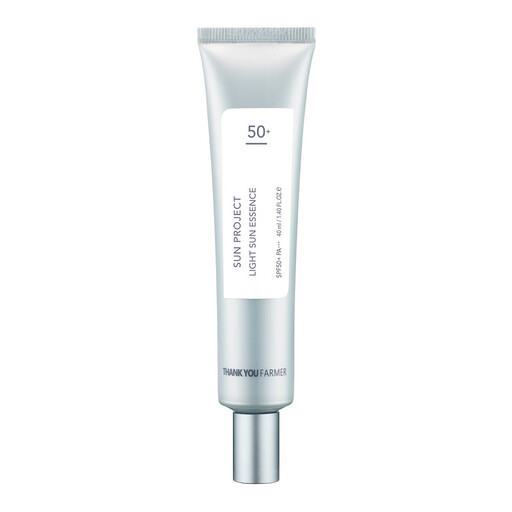
Why This Fits Their Persona: This is for the person who hates the feeling of traditional sunscreen. Its serum-like texture is perfect for UK city life, absorbing instantly to provide a smooth, hydrated base for makeup without causing congestion or irritation on sensitive skin.
It directly solves the "greasy, white-cast" problem. The watery essence formula is genuinely invisible on the skin, making daily application a pleasure rather than a chore.
Its primary advantage is the feather-light, non-greasy texture that feels more like a hydrating serum. It contains botanical extracts to soothe skin, making it ideal for daily use.
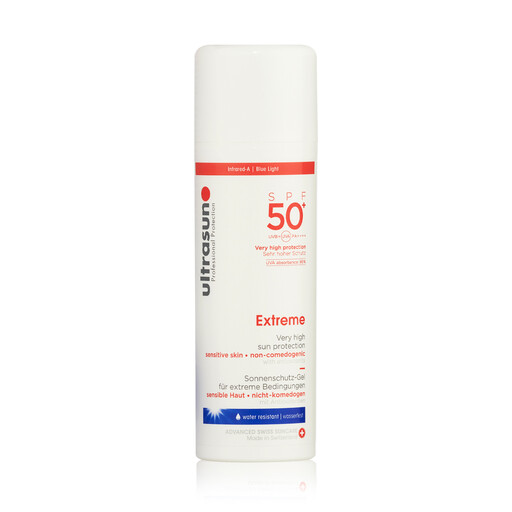
Why This Fits Their Persona: This is for the person packing the bag for a family day out at the park or a trip to the British seaside. It's a robust, reliable formula designed for very sensitive skin, including that of babies, making it a one-stop solution for the whole family.
It avoids the "ignoring skin type" pitfall by being specifically formulated for the most sensitive users. This removes the guesswork and risk of irritation when applying to children or those with reactive skin.
Its versatility is its greatest strength. The water-resistant, non-greasy formula is suitable for face and body on all family members, simplifying your sun care routine.
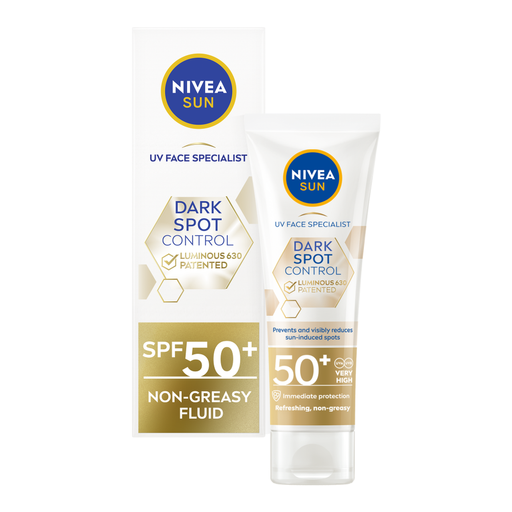
Why This Fits Their Persona: This user sees sunscreen as a crucial part of their anti-ageing and skin-brightening routine. They want a product that not only protects but actively works to improve their skin's appearance by targeting sun-induced dark spots.
It offers a clear, targeted benefit beyond just SPF. By incorporating the patented Luminous630 ingredient to visibly reduce dark spots, it provides a compelling reason for consistent daily use, ensuring the user gets the full protective value.
This is a 2-in-1 product that combines high-level sun protection with a targeted treatment for hyperpigmentation. Its lightweight fluid texture is suitable for all skin types.
We have compiled a complete, real-time list of products that fully satisfy these strict selection criteria and UK safety regulations.
A common and effective guideline is the "two-finger rule." Squeeze a line of sunscreen onto your index and middle fingers, from the base to the tip. This amount is generally sufficient to properly cover your face and neck to achieve the level of protection stated on the bottle.
In a pinch, yes—any protection is better than none. However, body sunscreens are often thicker and may contain oils or fragrances that can clog pores or irritate facial skin. A dedicated face sun cream spf50 is formulated to be lighter, non-comedogenic (won't clog pores) and to sit better under makeup.
No. This is a common misconception. SPF50 filters a higher percentage of UVB rays (around 98%) compared to SPF30 (around 97%). While it offers a higher level of protection, it does not extend the amount of time you can safely spend in the sun. You must still reapply it every two hours and after swimming or sweating.