
24/7 Customer Support

Free returns

Same-day & Next-day Delivery

Quality Guaranteed

Unlock Your Welcome Offers: FREE Delivery | Up to 80% OFF | Free 30-day JoyPlus trial
Download the APP
Choosing an SPF50 sunscreen should be straightforward, but product labels can make comparisons difficult. A glossy finish may feel pleasant yet contain fragrance that does not suit your skin. A “water-resistant” lotion may still need frequent reapplication. Even a high SPF can provide less protection than expected if too little product is applied.
This guide explains the practical details to check before buying, then matches several options to common UK shopping needs, from everyday facial sunscreen SPF50 to children’s sun protection and mineral sunscreen.
SPF primarily describes protection against UVB, the rays strongly associated with sunburn. It does not, on its own, tell you how well a product covers UVA. For balanced daily sun protection, look for wording such as UVA and UVB protection, a UVA symbol in a circle or a clearly stated broad-spectrum claim.
Some Korean sunscreen products also use a PA rating, such as PA+++ or PA++++, to indicate UVA protection. This is useful for comparison, but UK shoppers should still check the product packaging for the current regulatory and usage information.
No sunscreen should be treated as permanently waterproof. Water-resistant formulas are designed to retain protection for a stated period or under specific conditions, but swimming, sweating and towel drying can remove product. A water-resistant sunscreen still needs generous application and reapplication.
For children, beach trips and outdoor sport, a lotion with extra water resistance can be more practical than a lightweight facial fluid.
A heavy, greasy formula may stay unopened in a bathroom cabinet, while a very dry-touch fluid may feel uncomfortable on dehydrated skin. “Invisible” or “no white cast” claims can also vary according to application amount, skin tone and how the formula settles.
The most suitable product is generally the one whose finish, feel and application method fit your routine well enough to use regularly.
SPF50 or SPF50+ indicates very high UVB protection when the product is applied as directed. It is not a reason to spend longer in direct sunlight. Use shade, clothing and sunglasses alongside sunscreen, particularly during strong midday sun.
For the face and neck, follow the product’s instructions. Many facial sunscreens suggest approximately two finger lengths or a comparable liberal amount. Applying a thin layer to avoid shine can significantly reduce the protection shown on the label.
Choose ingredients and texture according to your skin and usage:
A 40–50ml facial sunscreen is convenient for handbags and daily use, but a 200ml body lotion is more practical for holidays or family application. Check whether the product is intended for the face, body or children. Do not assume a facial formula is suitable for a child, or that a children’s lotion will sit comfortably beneath make-up.
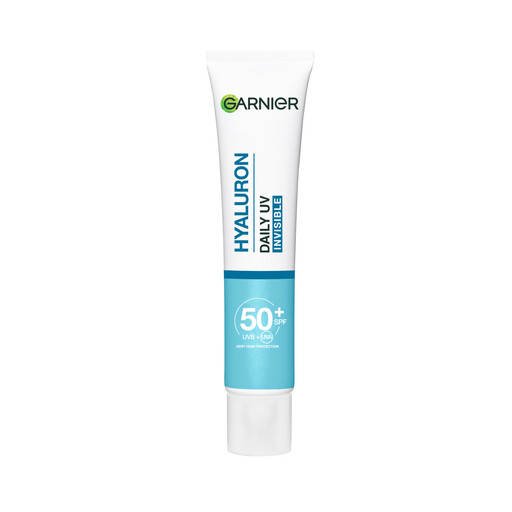
Why This Fits Their Persona: A compact facial fluid for shoppers starting a daily routine and wanting a lightweight layer under make-up or a day cream.
Its sheer, non-greasy format is designed to blend without visible white traces, helping avoid the “high protection but unusable texture” problem.
Contains hyaluronic acid and glycerin; the product description states that it is vegan and suitable for all skin types.
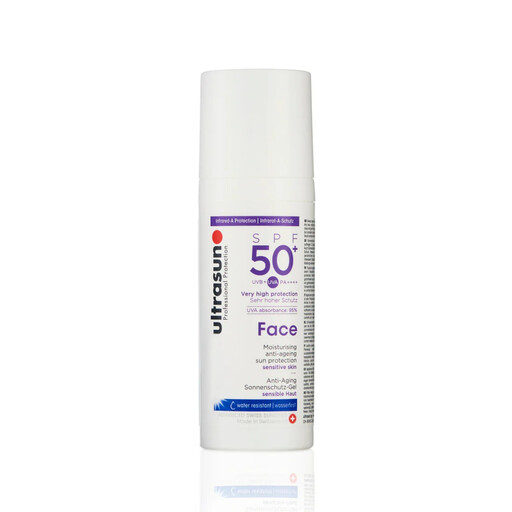
Why This Fits Their Persona: Suits commuters seeking a dedicated facial product that can sit within a layered morning skincare and make-up routine.
The product is positioned for daily facial wear rather than occasional beach use, with a lightweight, non-comedogenic texture listed in its description.
Uses a blend of UV filters for broad-spectrum protection and includes Ectoin; the stated application is two finger lengths for face, neck and décolletage.
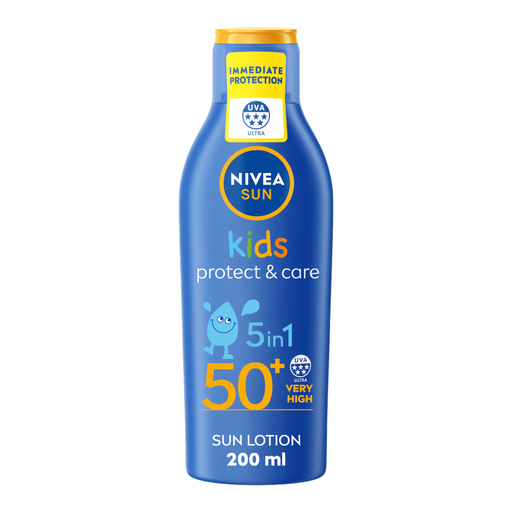
Why This Fits Their Persona: The larger format is practical for family holidays, outdoor play and repeated application on children aged three and above.
Its extra water-resistant specification directly addresses swimming and sweating, while the 200ml size reduces the risk of running short during active days.
The product description lists paediatrician- and dermatologist-approved skin compatibility, plus panthenol, vitamin E and vitamin C.
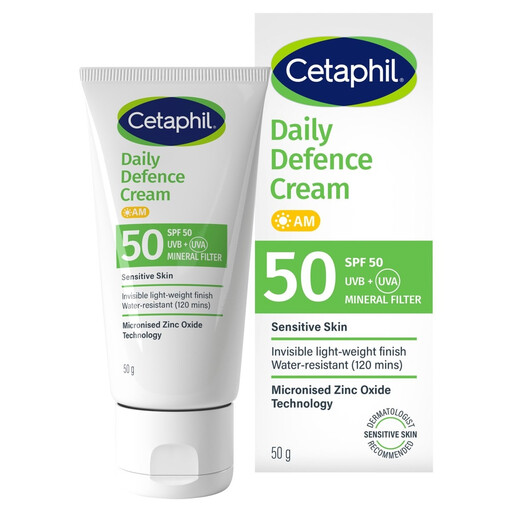
Why This Fits Their Persona: A fragrance-free mineral sunscreen option for shoppers prioritising a simple facial formula and a non-greasy finish.
Micronised zinc oxide and the stated invisible finish address the common concern that mineral sunscreen must always look chalky or feel heavy.
The formula is listed as fragrance-free, vegan and water-resistant for up to 120 minutes; check the label and reapply after towelling.
Apply sunscreen as the final step of your morning skincare routine, before make-up. Cover exposed areas evenly, including the ears, neck and hairline where appropriate. Apply before sun exposure according to the product instructions, and reapply at least every two hours during extended outdoor activity or sooner after swimming, sweating or towel drying.
Keep babies and young children out of direct sunlight. Children should also wear protective clothing, a hat and sunglasses. Stop using any product that causes irritation and check the current ingredient list on the packaging, as formulations can change.
We have compiled a complete, real-time list of products that fully satisfy these strict selection criteria and UK safety regulations.
Yes, it can be used as part of daily sun protection whenever exposed skin may encounter daylight. Choose a facial sunscreen SPF50 with a finish you can apply in the recommended quantity, and use additional protection such as shade and clothing outdoors.
It depends on the size, the areas covered and how often it is reapplied. A 40–50ml facial product may be used quickly when applied generously to the face and neck. A 200ml body lotion is more suitable for repeated family use. Check the packaging for the period-after-opening symbol and follow the stated storage guidance.
Many facial fluids and creams are designed for layering under make-up. Allow the sunscreen to settle before applying foundation, and avoid reducing the application amount merely to improve the finish. If pilling occurs, try using fewer skincare layers and applying each product with enough time between steps.