
24/7 Customer Support

Free returns

Same-day & Next-day Delivery

Quality Guaranteed

Unlock Your Welcome Offers: FREE Delivery | Up to 80% OFF | Free 30-day JoyPlus trial
Download the APP
Choosing an SPF50 sunscreen should be straightforward, but product pages often make similar formulas sound interchangeable. In practice, the wrong choice can leave you with a greasy face, visible white residue, irritated skin or an empty bottle halfway through a family holiday.
As the Joybuy Product Recommendation Officer, I focus on practical differences rather than promotional language. Here are the key traps to avoid before buying a face sunscreen SPF50, body sunscreen SPF50 or family lotion.
SPF mainly indicates protection against UVB, the rays associated with sunburn. It does not tell you everything about UVA protection, which is also relevant to photoageing and pigmentation concerns.
For everyday use, look for UVA and UVB protection and, where applicable, the UK UVA logo or a clearly stated broad-spectrum rating. An SPF50 label alone is not a reason to stay outside for longer.
A water-resistant sunscreen can lose coverage through swimming, sweating, towelling and rubbing against clothing. “Water-resistant” does not mean that one application will remain fully effective all day.
If you need a water-resistant sunscreen for sport, beach visits or outdoor work, check the label instructions and reapply after water exposure or towelling.
A thick body lotion may feel uncomfortable on the face, while a lightweight facial fluid may be impractical or expensive for arms and legs. Applying too little also reduces the protection indicated on the packaging.
Choose a format that fits your routine: a fast-absorbing face fluid for commuting, a larger body lotion for regular outdoor use or a family-sized product for shared application.
SPF50 or SPF50+ is suitable for shoppers seeking a high level of UVB protection, but application still matters. Apply generously and evenly before exposure, following the product’s directions. Many facial products recommend approximately two finger lengths for the face, neck and décolletage, while body products require substantially more.
For broad-spectrum sunscreen, check that both UVA and UVB protection are stated. If pigmentation or an uneven-looking complexion is a concern, sunscreen should support—not replace—a wider skincare routine and sensible sun avoidance.
A non-greasy sunscreen with a quick-absorbing finish is generally easier to wear beneath make-up or during a daily commute. Dry or dehydrated skin may prefer a moisturising sunscreen containing humectants such as glycerin, hyaluronic acid or sodium hyaluronate.
People with sensitive skin should read the current ingredient list carefully. Fragrance, alcohol denat., essential oils and certain UV filters may not suit everyone. A patch test on a small area can help identify obvious irritation, but it cannot guarantee that a product will suit your skin.
A 40–50ml facial tube is convenient for handbags but will not last long if used across the entire body. A 150–250ml body product is more practical for holidays, gardening and regular family use.
Reapply as directed, particularly after swimming, sweating or towelling. Keep babies and young children out of direct sunlight, and use hats, clothing and shade alongside sunscreen. Children’s sunscreen should be selected according to the stated age guidance on the packaging.
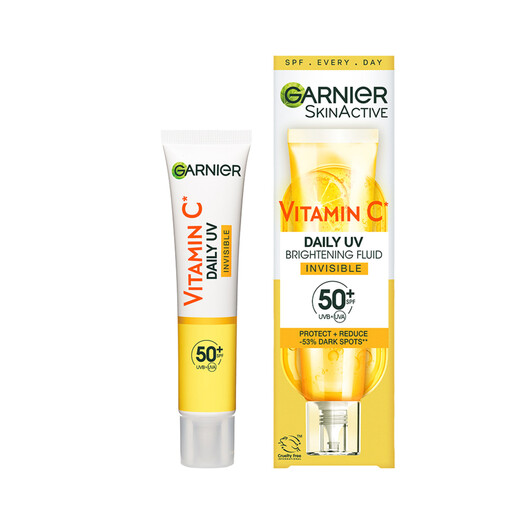
Why This Fits Their Persona: A compact daily face sunscreen SPF50 for shoppers who want a lightweight product that can sit beneath make-up during work, study or commuting.
The sheer fluid texture is designed to blend without visible white traces, helping avoid the common problem of abandoning a product because of its finish.
SPF50+ protection, UVA/UVB and long-UVA coverage stated in the product description; lightweight fluid with mineral pigments.
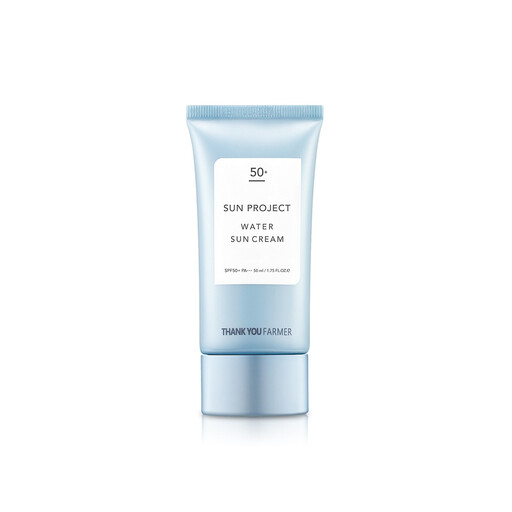
Why This Fits Their Persona: A Korean sunscreen suited to normal-to-dry skin shoppers who prefer a moisturising, dewy finish rather than a dry or powdery feel.
Its cream-like, hydrating format is positioned clearly for dry and dehydrated skin, reducing the risk of choosing a mattifying formula that feels tight.
SPF50+ and PA+++ rating; includes sodium hyaluronate, bamboo water, centella asiatica and plant oils.
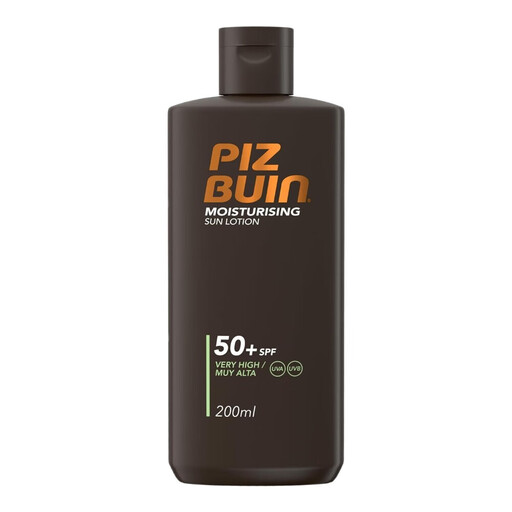
Why This Fits Their Persona: A 200ml body sunscreen SPF50 for holidays, outdoor sports, gardening and households that need a larger supply for exposed skin.
The larger bottle is more appropriate for repeated body application than relying on a small facial tube for full-body coverage.
SPF50+ lotion; moisturising formula described as fast-absorbing and non-greasy; directions highlight reapplication after swimming or sweating.
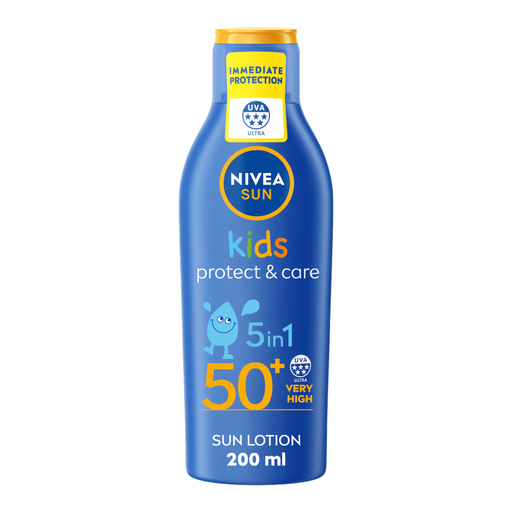
Why This Fits Their Persona: A 200ml children’s sunscreen for families planning active days, with stated suitability for children aged 3 and above.
The label gives age guidance and specifically describes an extra water-resistant format, helping parents compare it with general adult lotions.
SPF50+ UVA/UVB protection; extra water-resistant formula; contains panthenol and vitamin E; stated for children aged 3+.
For shoppers comparing a tinted sunscreen, sunscreen for dark spots, sensitive skin sunscreen or non-greasy sunscreen, the most suitable product is the one whose protection, texture and application quantity fit your actual routine.
We have compiled a complete, real-time list of products that fully satisfy these strict selection criteria and UK safety regulations.
Yes, many people use SPF50 daily on exposed skin, particularly on the face, neck and hands. UV exposure is not limited to hot or sunny holidays. Select a comfortable face sunscreen SPF50 for routine use and apply it alongside shade and protective clothing.
Follow the individual label, but reapplication is generally needed after swimming, sweating, towelling or rubbing. During prolonged outdoor exposure, reapply regularly rather than relying on a single morning application.
It depends on the area covered, the number of users and how generously it is applied. A 40ml facial fluid may be convenient for daily face use, while a 200ml body lotion is more practical for repeated family or holiday application. Check the product packaging for its period-after-opening guidance and storage instructions.