
24/7 Customer Support

Free returns

Same-day & Next-day Delivery

Quality Guaranteed

Unlock Your Welcome Offers: FREE Delivery | Up to 80% OFF | Free 30-day JoyPlus trial
Download the APP
Choosing an SPF50 sunscreen should be straightforward, but product descriptions often make comparison difficult. A fluid may be advertised as “invisible” yet feel unsuitable under make-up, while a water-resistant lotion may still need frequent reapplication after swimming or towelling.
The most common buying mistakes are not checking UVA protection, applying too little product and choosing a face formula for a use case it was not designed to handle. This guide explains the specifications that matter and matches different types of UK shoppers with suitable options.
SPF mainly indicates protection against UVB, the rays associated with sunburn. It does not, on its own, describe the level of UVA protection. Look for a product that clearly states UVA and UVB protection, a UVA logo or a star rating on the packaging.
Some Korean sunscreen SPF50 products also display a PA rating, such as PA+++ or PA++++. This is a separate UVA measurement used widely in Asian skincare. Always check the current product packaging for the precise rating and application instructions.
No sunscreen remains fully effective indefinitely in water. A water-resistant sunscreen is designed to retain protection for a stated period during water exposure, but swimming, sweating and towel-drying can remove product. Reapplication remains necessary.
For beach holidays, hiking or outdoor sport, choose a water-resistant sunscreen and take enough product for repeated use. A 40ml facial tube can be convenient for daily commuting but may run out quickly when used on the neck and other exposed areas.
A non-greasy sunscreen is more pleasant for everyday wear, but a lightweight texture can encourage under-application. Using a thin layer because it feels comfortable may reduce the protection indicated on the label.
For the face and neck, apply a generous, even amount as the final morning skincare step. For the body, use sufficient lotion to cover all exposed areas before going outdoors. Reapply regularly, especially after swimming, heavy perspiration or towelling.
Both SPF50 and SPF50+ sun cream offer very high UVB protection when applied correctly. SPF50+ means the measured protection is above the SPF50 threshold under the relevant testing system. The difference should not be used as a reason to apply less product.
For UK shoppers, also consider the product’s stated UVA protection. A high-protection sunscreen should provide broad-spectrum coverage rather than focusing only on its SPF number.
A facial sunscreen SPF50 is usually designed with a lighter texture, a smaller tube and a finish intended for daily skincare or make-up. Face products may include ingredients such as glycerin, hyaluronic acid or botanical extracts to support a moisturising feel.
A body sunscreen SPF50 generally comes in a larger bottle or spray because more product is needed for shoulders, arms, legs and torso. A body lotion can be more economical for family holidays, while a face fluid is often easier to layer beneath make-up.
If you have reactive or sensitive skin, read the full ingredient list rather than relying only on phrases such as “gentle” or “skin-friendly”. Fragrance, alcohol denat. and particular UV filters may not suit everyone. A small patch test can help identify obvious irritation before wider use, but it cannot guarantee that a product will suit your skin.
For children, check the recommended age, use protective clothing and keep babies and young children out of direct sunlight. Sunscreen is only one part of sun protection.
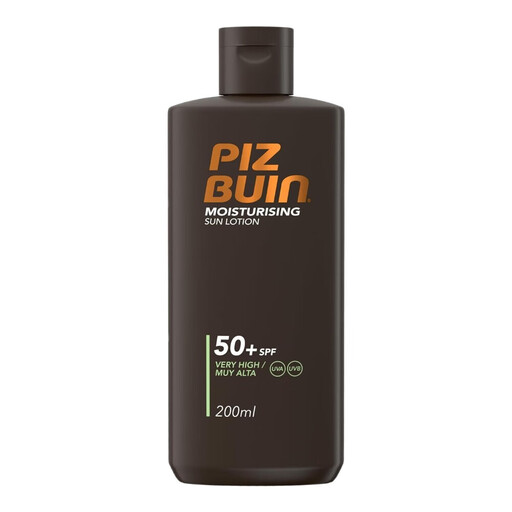
Why This Fits Their Persona: The 200ml format is practical for shoppers seeking one moisturising sunscreen for regular outdoor use, commuting and holidays.
Its larger size helps reduce the temptation to ration product, while the label advises generous application and reapplication after swimming or sweating.
SPF50+ protection, moisturising ingredients and a stated non-greasy, fast-absorbing texture.
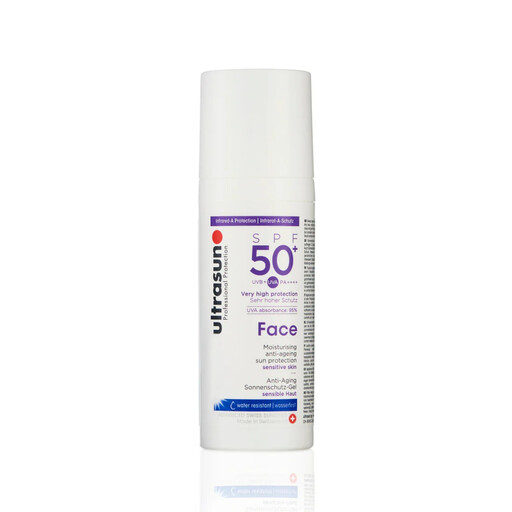
Why This Fits Their Persona: This facial formula is aimed at shoppers who prioritise a dedicated daily face sun cream with a lightweight, non-comedogenic feel.
It is positioned for facial use rather than being a general body lotion, and the instructions specify application to the face, neck and décolletage.
SPF50+ UVA and UVB protection, lamellar technology and Ectoin listed in the formula.
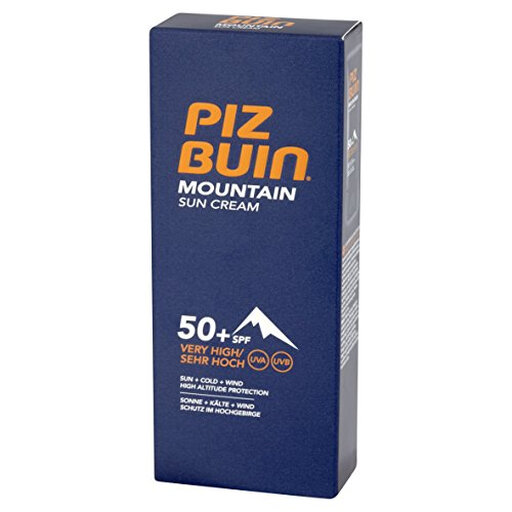
Why This Fits Their Persona: The face cream is designed for high-altitude conditions, making it relevant to skiing and snowboarding trips where sun and snow reflection are considerations.
The description specifically addresses wind, cold and snow reflection, rather than presenting a general daily formula as suitable for every environment.
SPF50+ broad-spectrum protection, sweat and water resistance, plus a pocket-friendly flat tube.
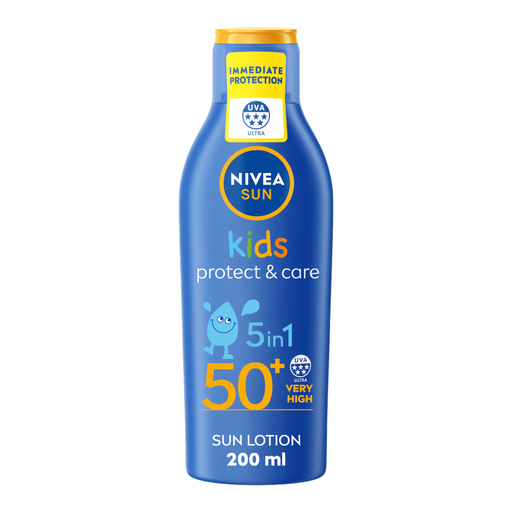
Why This Fits Their Persona: The stated age suitability, 200ml size and extra water-resistant format are practical for family holidays and active outdoor play.
It is clearly labelled for children aged 3+, helping families avoid using an unsuitable adult product without checking age guidance.
SPF50+ UVA and UVB protection, extra water resistance and a fast-absorbing lotion format.
For a daily face sun cream with a fluid texture, Garnier Hyaluron Barrier Protect Daily UV Fluid SPF50 40ml combines SPF50+ protection with hyaluronic acid, glycerin and ceramide NP. Its product information describes a non-greasy finish without visible white traces.
Those seeking a fragrance-free mineral option may wish to compare Cetaphil Daily Defence Cream SPF 50 50g, which lists zinc oxide as its UV filter and states 120 minutes of water resistance. Always read the packaging, particularly if you are sensitive to specific ingredients.
For a lightweight Korean sunscreen SPF50, Thank You Farmer Sun Project Light Sun Essence SPF50+ PA+++ is described as a facial essence with a refreshing finish. The 120ml version may suit shoppers who want a larger format for face and body use, subject to the product label’s directions.
We have compiled a complete, real-time list of products that fully satisfy these strict selection criteria and UK safety regulations.
Reapply frequently during extended outdoor exposure and after swimming, sweating or towel-drying. Follow the individual label instructions. Even high-protection sunscreen does not make prolonged direct sunlight safe, so use shade, clothing and a hat as additional protection.
Yes, many facial sunscreen SPF50 products are designed for daily use and can be applied as the final morning skincare step. Choose a texture you will apply generously and consistently, then check whether it suits your skin and make-up routine.
This depends on the size, how much exposed skin you cover and how often you reapply. A 40ml face tube may be used up quickly if shared or applied to the body. For holidays and family use, a 150ml to 250ml body format may offer more practical coverage, but check the expiry or period-after-opening information printed on the packaging.