
24/7 Customer Support

Free returns

Same-day & Next-day Delivery

Quality Guaranteed

Unlock Your Welcome Offers: FREE Delivery | Up to 80% OFF | Free 30-day JoyPlus trial
Download the APP
Choosing an SPF 50 sunscreen is not simply a case of picking the highest number on the label. UK shoppers also need to consider UVA coverage, how much product is required, skin compatibility, water resistance and whether the texture encourages regular application.
A good product that sits unused in a bathroom cabinet offers less practical value than a formula you can apply generously and reapply when needed. The following guide explains the specifications worth checking, common buying traps and suitable options for different routines.
SPF mainly indicates protection against UVB, the rays associated with sunburn. It does not provide the full picture of UVA protection, which is linked with tanning and longer-term photoageing effects.
For broad-spectrum sunscreen, look for clear UVA information. In the UK, this may include the UVA circle logo, a star rating or wording that confirms UVA and UVB protection. Korean sunscreen SPF 50 products may also display a PA rating, such as PA+++ or PA++++. These ratings are useful on their original labelling, but they should not be treated as a direct substitute for checking UK-relevant UVA information.
Applying a thin layer significantly reduces the protection indicated on the packaging. For the face and neck, many facial sunscreens recommend approximately two finger lengths, although the product label should take priority. Body sunscreen requires a generous, even layer over all exposed areas.
Reapplication is also important after swimming, sweating, towelling or extended outdoor activity. No SPF 50+ sun cream removes the need for shade, protective clothing, sunglasses and sensible limits on strong sunlight.
Vitamin C, niacinamide, hyaluronic acid, botanical extracts and moisturising ingredients can influence how a product feels or fits into a skincare routine. However, these features do not increase the labelled SPF.
Be cautious with claims about dark spots, wrinkles or “repair”. A sunscreen can help limit further UV exposure, while additional cosmetic ingredients may improve the appearance or comfort of skin. These are different functions and should be assessed separately.
For daily UK use, SPF 30 or SPF 50 may be selected according to your exposure, skin needs and personal preference. SPF 50 is often chosen for prolonged outdoor time, very fair skin or routines where consistent high protection is a priority.
Look for clearly stated UVA and UVB protection, rather than relying on “sun cream” wording alone. A facial sunscreen SPF 50 should also be labelled for face use if you want a lighter, more cosmetic finish.
The most suitable format depends on how your skin behaves:
Water resistance is useful for swimming, holidays and active outdoor use, but it does not mean permanent protection. Reapply after water exposure and towelling as directed.
A 40–50ml facial tube is convenient for handbags and daily use. A 150–250ml body lotion or spray can offer more practical value for families, but check whether the format is suitable for children and whether generous application is easy.
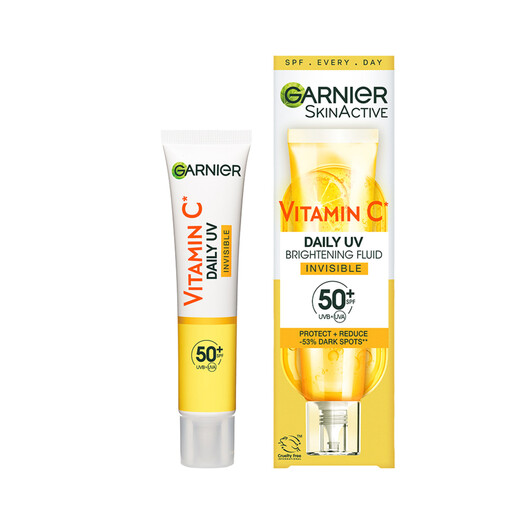
Why This Fits Their Persona: A compact 40ml facial fluid for shoppers starting a daily face sunscreen routine and wanting a lightweight product under make-up.
It states SPF50+ and coverage against UVB, UVA and long-UVA rays, rather than presenting a cosmetic glow as the main protection feature.
Sheer fluid texture, mineral pigments and a vitamin C derivative designed for a radiant finish.
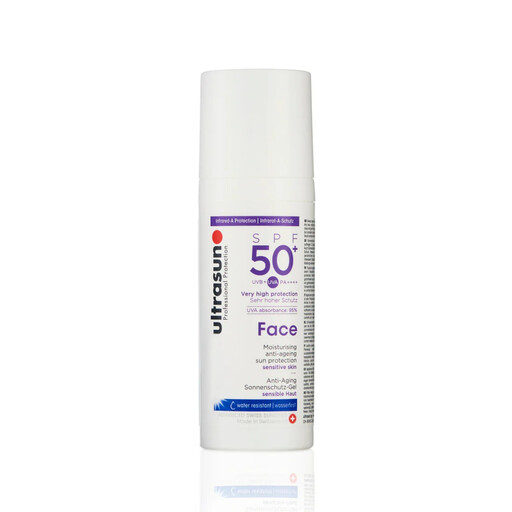
Why This Fits Their Persona: Suits shoppers prioritising a dedicated facial formula with a primer-like, moisturising format for regular everyday wear.
The product instructions specify a measured two-finger application for face, neck and décolletage, helping address under-application.
SPF50+ broad-spectrum protection, lamellar technology and Ectoin in a non-comedogenic facial formula.
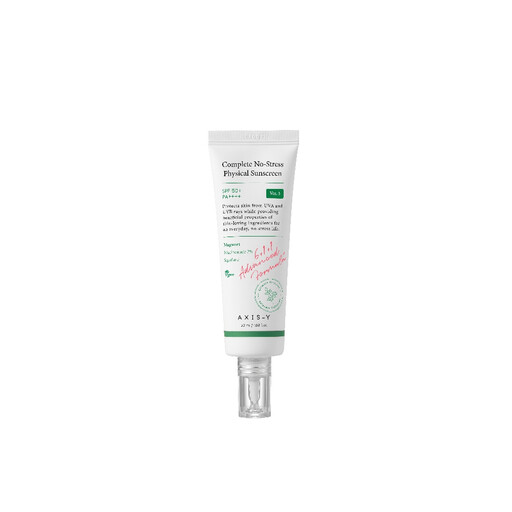
Why This Fits Their Persona: A mineral sunscreen SPF 50 option for shoppers who prefer zinc oxide and a fragrance-free formula for daily facial use.
It identifies zinc oxide as the UV filter and advises a patch test, rather than assuming every sensitive-skin shopper will react identically.
SPF50 PA++++, fragrance-free composition and a formula containing centella, mugwort, squalane and hyaluronic acid.
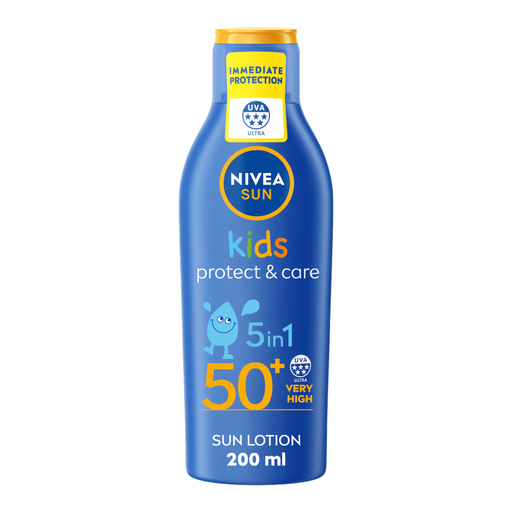
Why This Fits Their Persona: The 200ml format is practical for repeated application during family days out, with the product specified for children aged three and over.
It is labelled extra water resistant, but still instructs users to reapply after swimming, sweating or towelling.
SPF50+ UVA/UVB protection, a 200ml lotion format and paediatrician and dermatologist-approved skin compatibility stated on the product information.
We have compiled a complete, real-time list of products that fully satisfy these strict selection criteria and UK safety regulations.
Apply sunscreen as the final step of your morning skincare routine, before make-up. Spread it evenly over the face, ears, neck and other exposed areas. Allow the product to settle before applying foundation, particularly when using it as a sunscreen makeup primer.
For body application, use enough lotion to cover exposed skin thoroughly. Reapply regularly, especially following swimming, sweating or towel drying. Keep babies and young children out of direct sunlight, and use hats, clothing and shade alongside sunscreen.
Check the packaging before use, as ingredient lists, warnings and recommended age ranges can change. A patch test may be sensible when introducing a new sensitive skin sunscreen, particularly if you have reacted to cosmetic products previously.
Yes, SPF 50 can be used as a daily facial or body sunscreen. Choose a texture you can apply generously and comfortably, and check that the product provides clearly stated UVA as well as UVB protection.
This depends on application amount and frequency. A 50ml tube may last several weeks with daily facial use, but it will run out sooner if also applied to the neck, décolletage or hands. Using too little to make the tube last longer reduces the intended protection level.
Yes. Water resistance does not mean waterproof or permanent. Reapply after swimming, sweating and towelling, and follow the timing and usage instructions printed on the product packaging.