
24/7 Customer Support

Free returns

Same-day & Next-day Delivery

Quality Guaranteed

Unlock Your Welcome Offers: FREE Delivery | Up to 80% OFF | Free 30-day JoyPlus trial
Download the APP
Choosing an SPF50 sunscreen is not simply a matter of picking the highest number on the bottle. UK shoppers also need to consider UVA coverage, application amount, skin compatibility, water resistance and whether the finish is practical for everyday use.
A sunscreen that feels heavy, leaves a visible cast or irritates your eyes may spend more time in a bathroom cabinet than on your skin. The right choice should fit your routine closely enough that you can apply the recommended amount and reapply when necessary.
SPF mainly indicates protection against UVB, the rays associated with sunburn. For daily UV protection, check that the product also provides UVA protection. Look for the UVA symbol, a UVA rating or wording such as broad-spectrum sunscreen.
Some Korean sunscreen products use the PA system, where PA++++ indicates a high level of UVA protection under that labelling system. SPF50 or SPF50+ should therefore be considered alongside, rather than instead of, UVA information.
Sunscreens are generally described as water-resistant, not permanently waterproof. Swimming, perspiration, towelling and clothing can remove part of the protective film. A water-resistant sunscreen is useful for outdoor activities, but it still needs frequent reapplication.
For children, beach days and active holidays, select a formula that clearly states its water-resistance information and follow the instructions on the packaging.
Vitamin C, niacinamide, hyaluronic acid, plant extracts and moisturising ingredients may make a product appealing, but they do not replace UV filters. A fragrance-free sunscreen may be more suitable for someone who reacts to perfumed products, while a lightweight fluid may be preferable for oily or acne-prone skin.
Always check the current ingredient list on the packaging. Product formulations can change, and ingredients such as fragrance, alcohol denat., essential oils or certain emollients may not suit every individual.
SPF50 sunscreen offers a higher labelled UVB protection level than SPF30 when applied correctly. SPF50+ is commonly selected for children, very sunny destinations, prolonged outdoor exposure or shoppers who want a higher protection margin.
SPF30 sunscreen can still be suitable for routine use, particularly when applied generously and reapplied regularly. However, reducing the quantity of any sunscreen significantly reduces the protection achieved.
For the face and neck, use a generous amount—often described as approximately two finger lengths for the face and neck, depending on the product directions. Apply to ears and other exposed areas rather than relying on a thin layer beneath makeup.
A mineral sunscreen uses filters such as zinc oxide or titanium dioxide to form a protective layer at the skin surface. It may appeal to shoppers seeking a physical sunscreen, although some formulas can leave a cast or feel thicker.
A chemical sunscreen uses organic UV filters that absorb UV radiation. Modern fluid formulas can feel light, clear and comfortable under makeup. Neither format is automatically suitable for every skin type, so texture, ingredients and personal tolerance remain important.
For a face sunscreen, consider whether you prefer a matte, natural, dewy or tinted finish. A tinted sunscreen can help even the appearance of complexion, but the shade must be compatible with your skin tone and applied generously enough to provide the labelled protection.
For swimming, sport or outdoor work, look for clear water-resistance instructions. For daily commuting, a fast-spreading fluid or serum-like texture may make consistent application easier.
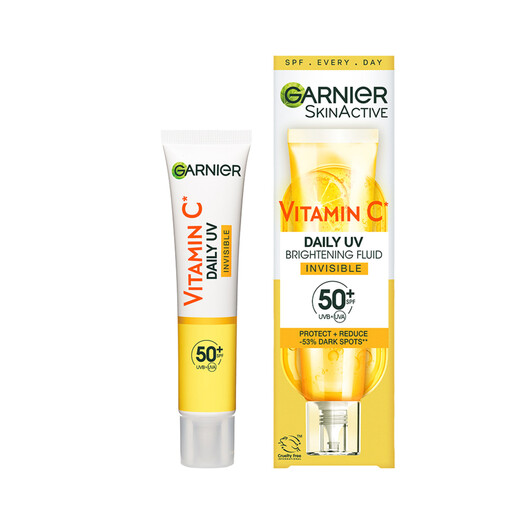
Why This Fits Their Persona: A compact daily face sunscreen for shoppers who want high protection and a lightweight, glow-focused finish before makeup or a morning commute.
Its listed UV coverage includes UVB, UVA and long-UVA protection. The sheer fluid is described as non-greasy and designed to blend without visible white traces.
SPF50+, 40ml fluid format, mineral pigments for a radiant appearance and a Vitamin C derivative in the ingredient list.
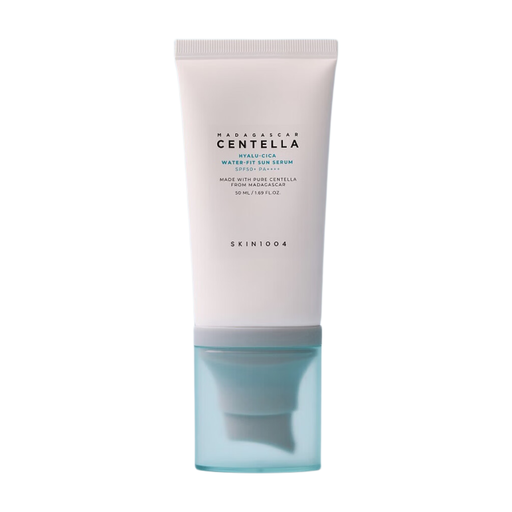
Why This Fits Their Persona: Suitable for K-beauty shoppers who prefer a hydrating, serum-like layer that sits comfortably beneath makeup during everyday UK wear.
The product information states that it is not water or sweat-resistant, making the limitation clear rather than implying suitability for swimming or heavy exercise.
SPF50+ PA++++, fragrance-free formula, transparent finish and hyaluronic acid with Centella Asiatica extract.
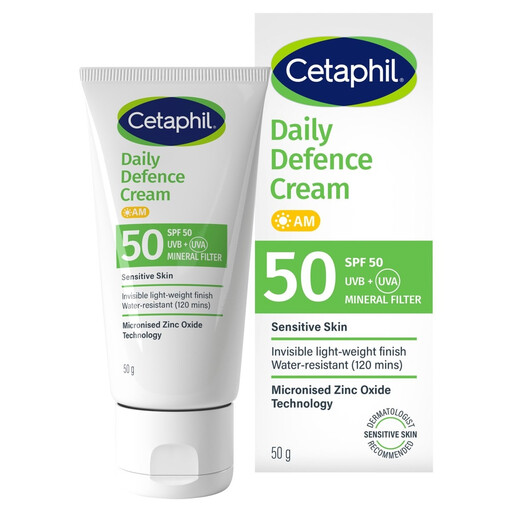
Why This Fits Their Persona: A practical mineral sunscreen option for shoppers prioritising a fragrance-free face formula and a non-greasy finish.
The listed formula uses micronised zinc oxide and has no added fragrance. The product information also states 120 minutes of water resistance, subject to correct application and reapplication.
SPF50, mineral zinc oxide, fragrance-free formulation and 50g facial format.
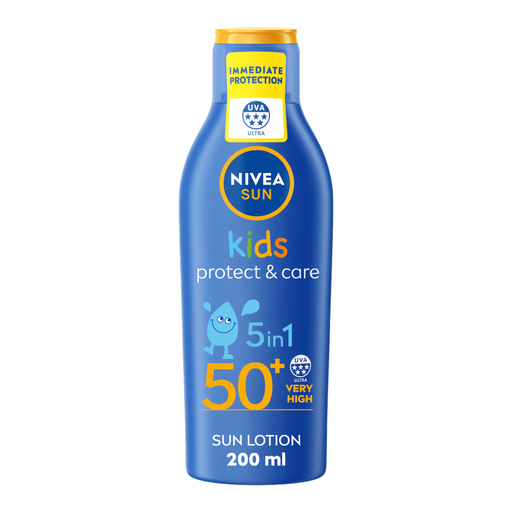
Why This Fits Their Persona: Designed for families needing a larger-format children’s sunscreen for school holidays, parks, swimming and active outdoor play.
It is clearly labelled for children aged 3+ and described as extra water-resistant, while the directions stress generous application and reapplication after swimming or towelling.
SPF50+, 200ml lotion, UVA and UVB protection and extra water resistance for outdoor use.
We have compiled a complete, real-time list of products that fully satisfy these strict selection criteria and UK safety regulations.
SPF50 can be a sensible choice for prolonged outdoor exposure, strong summer sunlight, very fair or photosensitive skin and family holidays. For ordinary daily wear, SPF30 sunscreen may also be suitable when applied generously and reapplied as directed. UVA coverage remains important at either SPF level.
Follow the open-jar symbol and packaging instructions rather than assuming a fixed lifespan. Discard a product if its smell, colour or texture changes, or if it has been exposed to excessive heat. A bottle used regularly may run out before its stated period, particularly when covering the body.
Yes. Lightweight fluids and serum textures are generally easier to layer beneath makeup. Allow the sunscreen to settle before applying foundation and avoid using too little simply to prevent pilling. A tinted sunscreen may combine light complexion coverage with daily UV protection, but it still requires the recommended quantity and regular reapplication.