Regular family-meal chilli cooks
If you often make chilli powder or seasoning blends, look for a grinder specified for spices and a bowl that lets you transfer the ground chilli into your cooking.


For regular batches of dried chilli powder, choose an electric grinder whose instructions explicitly permit spices; a removable or separate bowl is useful if you also grind coffee or milder ingredients. If you make chilli pastes as well, look for a model expressly intended for wet and dry use. A simpler single-bowl grinder can suit occasional dry use, but you will need to clean it carefully between ingredients.
If you often make chilli powder or seasoning blends, look for a grinder specified for spices and a bowl that lets you transfer the ground chilli into your cooking.
If the grinder will also handle coffee, nuts or mild spices, a removable bowl makes cleaning easier to manage. Cuisinart UK says the two bowls supplied with its SG21U are designed to help prevent flavour contamination.
If you prepare dry chilli powder as well as wet pastes or marinades, check for an explicitly wet-and-dry model with a bowl intended for each use, such as the Duronic CG421.
Start by confirming that the grinder permits dried spices. Then decide whether controlling texture, separating flavours, making wet blends or keeping equipment simple matters most for your family meals.
| Concern | What to check | Who this matters to |
|---|---|---|
| Dry-chilli texture | Confirm spice use in the exact model's instructions. Look for pulse control if you want to stop and check the texture. | If I want chilli that disperses through a family meal, I need to judge when to stop grinding rather than leave large flakes. Around 31% of consumers put texture control first. |
| Cleaning and flavour separation | Check whether the bowl removes for washing or whether separate bowls are supplied; confirm the cleaning instructions. | When I use one appliance for chilli and milder ingredients, I want to manage residue between batches. For roughly 31% of consumers, cleaning and flavour separation are the primary concern. |
| Wet-and-dry use | Check that the exact model permits wet ingredients and includes a bowl intended for them; dry-spice suitability alone is not enough. | I also make chilli pastes or marinades, so a grinder limited to dry ingredients would not cover both tasks. About 23% of consumers place wet-and-dry use first. |
| Occasional dry use | Compare spice compatibility, bowl design and cleaning instructions before choosing a straightforward shared-bowl model. | If I grind dried chillies only occasionally, I may prefer one appliance for dry spices without storing extra bowls. Around 15% of consumers prioritise this simpler arrangement. |
A coffee-focused name does not establish that the appliance is intended for spices.
Check the exact model's product information or manual for permitted ingredients before buying it for dried chillies.
Wattage alone does not tell you how a particular grinder will handle your chilli batch or how easily you can empty its bowl.
Compare intended ingredients, operating controls, bowl design and cleaning instructions alongside any motor specification.
Separate wet-use components add washing and storage steps that bring little practical value if you never make pastes or marinades.
If dried chilli powder is the only task, prioritise a spice-capable dry grinder with a bowl you can clean and empty conveniently.
Cuisinart and Salter instructions warn about sharp blades and disconnecting the appliance before cleaning.
Let the grinder stop, unplug it and follow its own instructions for handling the bowl and cleaning each component.
These brand examples describe particular spice-capable models, not every grinder each brand makes. Compare the exact model's intended ingredients and bowl arrangement against your cooking routine.
The SG21U is a dedicated spice-and-nut grinder for cooks interested in keeping grinding bowls separate.
The EK6136 is a coffee-and-spice grinder with a removable bowl for dry-ingredient use.
The CG421 addresses households that make both dry spice powder and small wet blends.
The F2034238 is a coffee-and-spice mill for consumers seeking a straightforward dry-grinding arrangement.
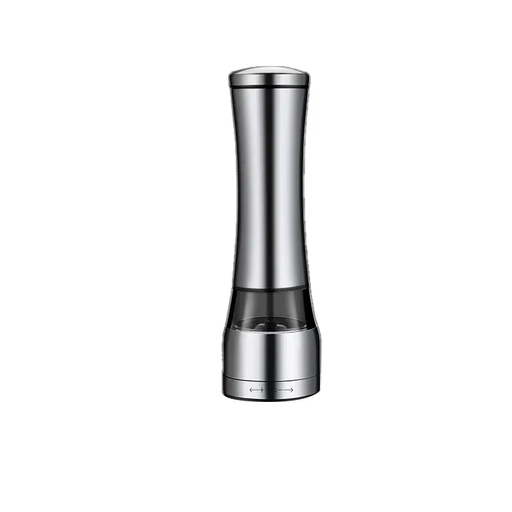
This manual pepper grinder offers a way to season by hand rather than prepare a batch in an electric spice grinder. Check its suitability for dried chillies before choosing it for a family meal.
 No image available
For seasoning by hand rather than preparing chilli powder in an electric grinder, this is a manual option. Confirm that it can grind dried chillies, how much it holds and how it should be cleaned before relying on it for a family-meal batch.
One bowl can suit occasional dry chilli grinding if you clean it carefully between ingredients. If you also grind coffee or mild spices, a removable or separate bowl may make residue easier to manage; Cuisinart UK says the two bowls supplied with its SG21U are designed to help prevent flavour contamination.
Yes, if the exact model is specified for spices. Salter lists spice use for the EK6136, and KRUPS UK lists spices among the intended ingredients for the F2034238; a coffee-grinder label alone is not enough to establish suitability.
No—a grinder intended for dry spices is the relevant choice if you only make chilli flakes or powder. Consider a wet-and-dry model if you also prepare pastes, sauces or marinades; Duronic specifies separate wet and dry bowls for the CG421.
Let it stop, unplug it and follow the exact model's cleaning instructions before handling the bowl or blades. Cuisinart warns that the SG21U blades are sharp, while Salter instructs EK6136 users to unplug the appliance and let it cool before cleaning.