Regular garam masala makers
If you grind small quantities often, look for a model stated to handle spices and check how its bowl lets you collect each blend. Cuisinart describes its SG21U as a spice grinder with two grinding and storage bowls.


For a family batch of garam masala, choose a grinder explicitly intended for spices, then check whether its capacity fits the whole spices in your recipe. An electric model with a removable bowl may be easier to empty and clean, while separate bowls help keep strongly flavoured ingredients apart; a manual grinder is worth considering only if grinding and collecting the batch by hand suits you.
If you grind small quantities often, look for a model stated to handle spices and check how its bowl lets you collect each blend. Cuisinart describes its SG21U as a spice grinder with two grinding and storage bowls.
Compare your recipe quantity with the stated bowl capacity, then consider how you will empty and wash it. Salter specifies a removable 70 g bowl for the EK6136; Lakeland specifies an 85 g capacity for its Coffee and Spice Grinder.
If you also grind coffee, nuts or other aromatic ingredients, cleaning access and separate bowls may matter more than a compact shape. Cuisinart describes two bowls for the SG21U, while Krups positions the F20342 for coffee as well as spices.
Check spice suitability first, then match the bowl arrangement and capacity to how you prepare and clean up after a family meal.
| Concern | What to check | Who this matters to |
|---|---|---|
| Dry-spice texture | Confirm that the exact model is intended for spices and lets you stop to inspect the grind. | When grinding whole spices for a fine blend, I want to check the texture as I go rather than rely on a coffee-only description; around 45% of consumers would put dry-spice texture first. |
| Cleaning and flavour separation | Check whether the bowl is removable, whether its parts can go in a dishwasher and whether separate bowls would be useful. | If I also grind coffee or nuts, I want to clean between uses and keep strong flavours apart; roughly 33% of consumers would make clean-up and separation their main concern. |
| Batch size and other uses | Compare stated capacity with your recipe quantity; check explicit wet-ingredient approval if you also make pastes. | For a family recipe, I need room for the whole spices and may want to prepare a paste on another day; about 22% of consumers would prioritise batch fit and versatility. |
Suitability for dry spices does not establish that a grinder can handle wet ingredients. The stated uses differ between the models discussed here.
Check the exact model’s approved ingredients. Choose wet-ingredient capability only if you plan to make pastes or marinades.
A bowl that is easier to remove or wash does not, by itself, establish that allergen residues cannot transfer between ingredients.
If allergens are relevant to your household, consider dedicated equipment and follow the manufacturer’s cleaning instructions.
For garam masala, the stated spice capability, usable capacity and cleaning method affect how the grinder fits your recipe and routine.
Compare those details for the exact model before relying on a motor rating or a generic coffee-grinder label.
Cuisinart describes the SG21U as a Spice & Nut Grinder for spices, nuts, seeds, coffee and pastes.
Salter positions the EK6136 Coffee & Spice Grinder for coffee, spices, dry herbs and nuts.
Krups positions the Everyday Coffee and Spice Mill F20342 for coffee, nuts, seeds, herbs and spices.
Lakeland describes its Coffee and Spice Grinder as an 85 g model for spices and other cooking preparations.
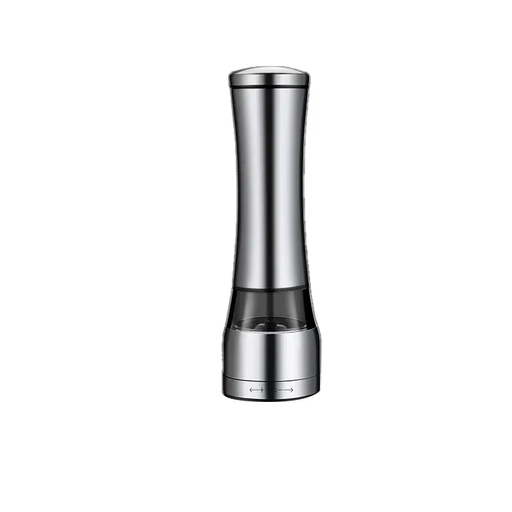
This manual pepper grinder is a choice for cooks willing to grind dried seasoning by hand. Before using it for a family batch of garam masala, check that its capacity and cleaning method suit your recipe.
 No image available
Consider this model if you are happy to grind seasoning by hand rather than use an electric bowl grinder. Check its batch capacity and cleaning method before relying on it for all the spices in a family recipe.
Yes, if the exact coffee-grinder model is explicitly stated to grind spices. For example, Krups describes the F20342 for spices as well as coffee; check how you will clean it between ingredients.
Choose a stated capacity that fits the whole-spice quantity in your recipe. Salter specifies a 70 g bowl for the EK6136 and Lakeland specifies 85 g for its Coffee and Spice Grinder; Krups describes the F20342 capacity as up to 3 ounces of beans, which should not be treated as an exact finished-spice yield.
Only choose a model for both uses when its stated instructions permit wet ingredients. Cuisinart describes the SG21U for pastes, and Lakeland states that its Coffee and Spice Grinder handles wet and dry ingredients; do not assume dry-spice suitability also covers paste.
That depends on the exact model and part. Cuisinart says the SG21U bowls and lids are dishwasher safe, while Lakeland advises hand washing its Coffee and Spice Grinder; follow the care instructions for the grinder you choose.