
24/7 Customer Support

Free returns

Same-day & Next-day Delivery

Quality Guaranteed

Unlock Your Welcome Offers: FREE Delivery | Up to 80% OFF | Free 30-day JoyPlus trial
Download the APP
Buying spices and seasoning should be simple, but attractive packaging and vague flavour claims can make comparison difficult. A small jar may contain mostly salt, while a large pouch can lose aroma before you have used half of it. Blends may also include allergens or additives that are easy to overlook when shopping quickly.
Whether you are preparing curry, grilled meat, seafood, rice dishes or stews, the right choice depends on more than the name on the front of the pack. This guide explains what to check before buying, then matches several options to different cooking habits.
A product labelled as Cajun spice blend, fish seasoning or chicken seasoning may contain salt, sugar, flavour enhancers or anti-caking agents alongside the herbs and spices. This is not necessarily a problem, but it affects how you cook with it.
For example, a fish seasoning may already contain a substantial amount of salt, so adding extra salt at the beginning can make the dish unbalanced. If you want full control over flavour, choose individual spices such as cumin seeds, fennel seeds, mustard seeds or cayenne pepper.
UK food labels should identify relevant allergens in the ingredients list, but shoppers still need to read the packaging carefully. Common examples in this category include:
Manufacturing statements can also warn that a product is made in a facility handling other allergens. Always check the current pack before purchase, particularly when cooking for guests.
Whole spices often retain their aroma longer than ground spices because less surface area is exposed to air. However, a large pack is only economical if you use it regularly. For occasional cooking, a 20g to 60g pack may help reduce waste. For catering, frequent batch cooking or regular barbecues, larger sizes such as 100g or 135g can be more practical.
Ingredients are generally listed by weight, so check whether salt appears near the beginning. Ready-to-use blends can be convenient for quick marinades, but pure spices and whole seeds allow you to build seasoning gradually.
For example, a Cajun blend may combine paprika, fennel, basil, black pepper, garlic, onion, chilli and cumin with salt. A fish seasoning may include salt, celery powder, black pepper, onion, paprika and white pepper. These profiles suit different dishes, but they are not interchangeable with single-ingredient spices.
Choose the format according to your cooking routine:
Whole cumin seeds can be toasted before adding to rice or curry. Fennel seeds work in stews, grilled dishes and five-spice combinations. Nigella seeds add an earthy, onion-like note to Indian dishes, while fenugreek seeds bring a distinctive bitter-sweet aroma and are best used carefully.
Look for clear storage instructions and a secure closure. Most cooking spices should be kept in a cool, dry place away from direct sunlight and moisture. After opening, reseal the pack tightly or transfer loose seeds to an airtight container.
Avoid storing spices above a kettle or next to a hob, where heat and steam can reduce aroma. Check the best-before date on the packaging rather than relying only on smell or appearance.
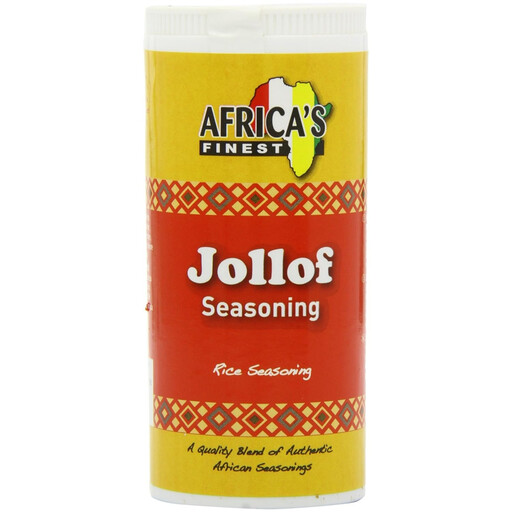
Why This Fits Their Persona: A convenient entry point for UK cooks exploring West African flavours in rice, stews, soups, grilled meat or vegetables.
The ingredient list identifies salt, onion, ginger, coriander, thyme, garlic, chilli, cinnamon and bay leaves, helping shoppers understand the flavour profile before buying.
100g pack; suitable for vegetarians; designed for rice, soups, stews, grilled foods and vegetables.
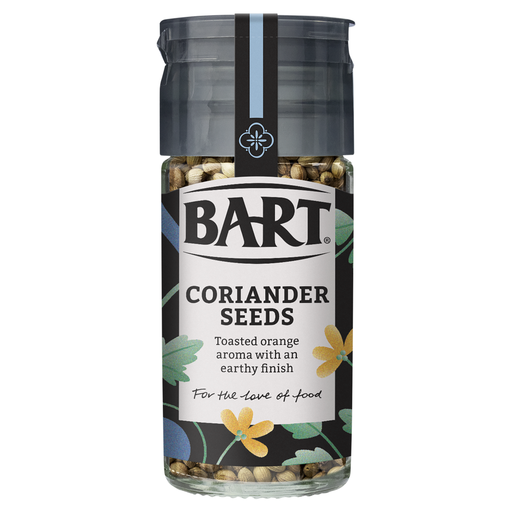
Why This Fits Their Persona: Suits cooks who prefer a single whole spice for curries, tagines and controlled flavour building.
It is presented as coriander seeds rather than a salt-heavy blend, making the core ingredient clear.
20g pack; suitable for curries and tagines; can be toasted or ground according to the recipe.
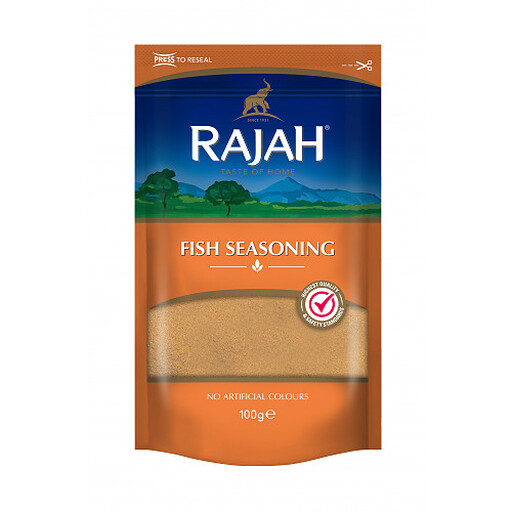
Why This Fits Their Persona: A practical option for households that regularly cook fish, prawns or calamari by grilling, baking or pan-frying.
The product specifies its use for fish and seafood, while the ingredient list identifies celery and salt for easier meal planning.
100g pack; ready to use; suitable for grilling, baking, pan-frying, soups and stews.
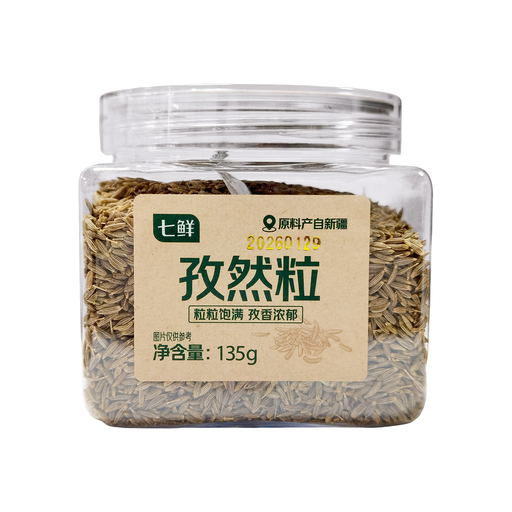
Why This Fits Their Persona: The larger pack is suitable for frequent home cooking, BBQ preparation, catering or anyone using cumin across several cuisines.
It is a whole cumin product, so you can use the seeds directly or grind them as needed rather than buying a blend with an unclear ratio.
135g pack; suitable for grilling, stir-fries, curries, stews and spice blends; no listed allergens.
We have compiled a complete, real-time list of products that fully satisfy these strict selection criteria and UK safety regulations.
Start with versatile staples that match your cooking: cumin, coriander, paprika, black pepper and chilli. Add a ready-made blend such as jollof seasoning, chana masala or Cajun spice blend when you want a quicker route to a specific dish.
Neither format suits every recipe. Whole spices are useful for tempering, roasting and grinding, while ground spices are faster for marinades and sauces. Buy smaller packs of less frequently used spices to protect freshness and reduce waste.
Keep them sealed in a cool, dry cupboard away from sunlight, steam and hob heat. Use a clean, dry spoon and check the packaging for the best-before date. For whole spices, grinding only the amount required can help preserve aroma.