
24/7 Customer Support

Free returns

Same-day & Next-day Delivery

Quality Guaranteed

Unlock Your Welcome Offers: FREE Delivery | Up to 80% OFF | Free 30-day JoyPlus trial
Download the APP
A well-stocked spice rack is the heart of a creative kitchen, turning simple ingredients into memorable meals. Yet, navigating the world of spices and seasonings can be frustrating. You might buy a curry powder that promises authentic flavour but delivers a bland, salty dust, or a chilli powder that lacks any real punch. As a Joybuy Product Recommendation Officer, my role is to help you see past the marketing and choose products that deliver genuine flavour and value. Let's look at the common pitfalls and how to avoid them.
Many home cooks in the UK find themselves disappointed with their spice purchases. This often comes down to a few recurring issues:
spice blends are bulked out with inexpensive fillers. If the first ingredient listed is salt, wheat flour or a generic "flavour enhancer," you are paying a premium for a product where the actual spices are an afterthought. This is why some BBQ rubs taste more salty than smoky.To ensure you are buying quality, focus on these key details rather than just the front-of-pack claims.
Always read the ingredient list. For a spice blend, the primary spices (e.g., cumin, coriander and turmeric) should be listed first. For a single spice like chilli powder or smoked paprika, the ingredient list should be simple, ideally just the spice itself. Products with a high percentage of the core spice, like a chilli powder containing 95% chilli, offer more authentic and potent flavour. This is particularly important when exploring specific Indian spices or Asian spices, where purity is key to an authentic taste.
Not all spices are created equal. The origin and preparation method define the flavour profile.
Look for spices sold in airtight containers that protect them from light and moisture, such as sealed glass jars or resealable foil-lined pouches. Clear plastic bags or cardboard boxes offer poor protection, accelerating the loss of flavour and aroma. A "best before" date is a useful indicator, but proper packaging is a better guarantee of freshness.
Based on these principles, here are a few recommendations matched to different cooking styles and needs.
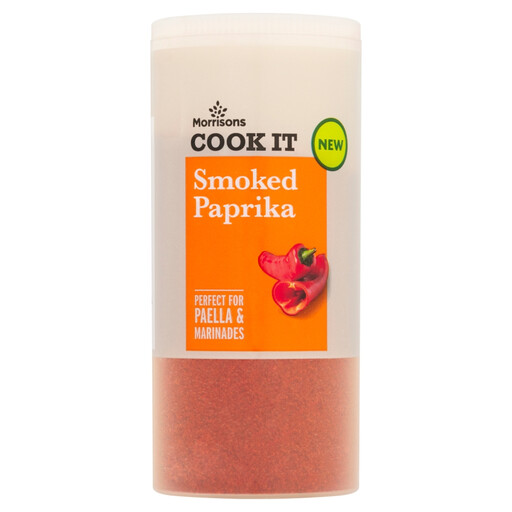
Why This Fits Their Persona: For the cook dedicated to recreating specific regional dishes like Spanish paella or a smoky goulash, a generic paprika won't do. This product provides the distinct, essential flavour profile needed for authenticity.
It sidesteps the "flavour-diluted" trap by being a specific type of spice—peppers traditionally smoke-dried over oak—not a generic, bland powder. Its flavour is concentrated and distinctive.
Delivers a rich, wood-smoke aroma and deep amber-red hue. The 95g jar is a practical size for those who use it as a core ingredient in BBQ rubs and stews.
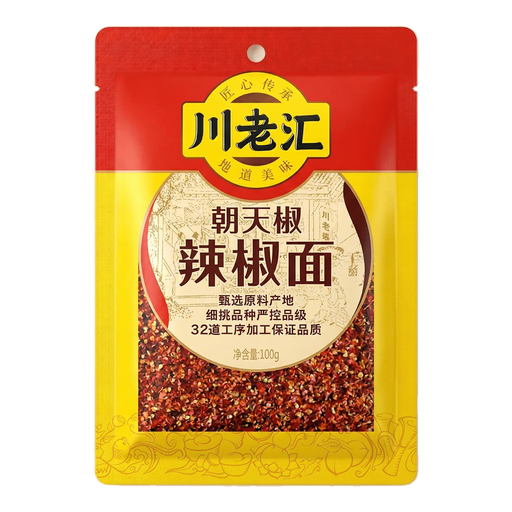
Why This Fits Their Persona: This is for the cook who is tired of "hot" powders that don't deliver. It's ideal for making authentic Sichuan dishes, fiery curries or a potent homemade chilli oil where intense, clean heat is non-negotiable.
It directly counters the "heat lottery" pitfall. With an ingredient list showing 95% chilli from ground Chaotian peppers, you get a reliable and potent heat source, not a vague, unpredictable blend.
Offers pure, intense spiciness with a pungent aroma. The simple ingredient list (chilli and rapeseed oil) ensures a clean flavour profile without salt or other fillers.
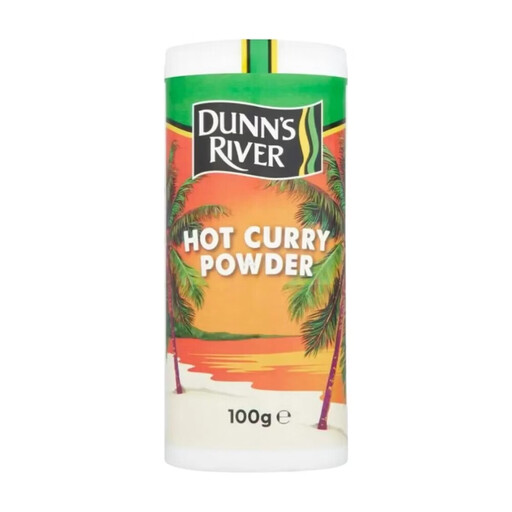
Why This Fits Their Persona: Perfect for anyone wanting to make authentic Caribbean dishes like curry goat or a spicy stew. This blend is specifically formulated to provide the signature flavour profile of the islands.
This is not a generic "curry powder." It avoids the inauthentic blend trap by using a specific combination of mustard, coriander, turmeric and cayenne to create a robust, fiery flavour true to Caribbean cuisine.
Provides a balanced symphony of earthy, zesty and hot notes. It's a convenient, ready-to-use blend that makes achieving an authentic Caribbean taste straightforward.
We have compiled a complete, real-time list of products that fully satisfy these strict selection criteria and UK safety regulations.
1. How long do spices and seasonings actually last? Ground spices generally maintain their peak flavour for about 6-12 months, while whole spices can last for 2-3 years. The key is proper storage: keep them in airtight containers in a cool, dark place away from the heat and steam of your stove. If a spice has lost its strong aroma, it has likely lost most of its flavour.
2. What is the difference between chilli powder and cayenne pepper? Cayenne pepper is a pure powder made from one type of chilli: the cayenne pepper. It delivers a straightforward, medium-to-hot heat. Chilli powder, on the other hand, is typically a blend. It usually contains ground chillies (often of a milder variety) mixed with other spices like cumin, oregano and garlic powder. Always check the label to understand what you are buying.
3. Should I buy whole spices or ground spices? For maximum freshness and flavour, whole spices are the superior choice. Grinding them yourself just before use releases the most potent aromas and oils. However, ground spices offer convenience. A practical approach is to buy whole versions of spices you use often (like cumin seeds and peppercorns) and purchase good-quality ground versions of those you use less frequently or that are difficult to grind at home.