
24/7 Customer Support

Free returns

Same-day & Next-day Delivery

Quality Guaranteed

Unlock Your Welcome Offers: FREE Delivery | Up to 80% OFF | Free 30-day JoyPlus trial
Download the APP
Choosing spices and seasonings should make cooking easier, not leave you with a cupboard full of duplicate jars, excessive salt or blends that suit only one recipe. For UK home cooks, the useful choice depends on flavour profile, pack size, ingredient transparency and how often the product will be used.
Whether you are preparing a quick family meal, exploring world food spices or improving your baking cupboard, the following checks can help you spend more carefully.
A product labelled “seasoning” may contain salt, sugar, flavour enhancers, flour or anti-caking agents alongside herbs and spices. That is not automatically a problem, but it affects how you use it. For example, an all-purpose seasoning can be convenient, while a 100% cumin product gives you more control over salt and flavour.
Always read the ingredients in order of quantity. If salt appears first, use the blend as a seasoning base rather than adding it freely to an already salted dish.
Names such as Cajun, tandoori or Chinese five spice describe a culinary direction, not a universal solution. A Cajun seasoning may work well with meat, seafood and roasted vegetables, while tandoori masala is typically designed for marinades and cooked dishes. A blend that is ideal for grilled food may overpower a delicate soup.
Check the recommended uses and the intensity described on the packaging before buying several large packs.
Spice products can contain or be made alongside common allergens. Mustard, celery, sesame, peanuts, soya, wheat and milk may appear in blends or manufacturing warnings. This is particularly important with products such as suya pepper mix, fried rice seasoning and garlic-based blends.
A vegetarian or vegan suitability statement does not replace an allergen check. Read the current packaging, especially if you have an allergy or are cooking for someone who does.
For single spices, look for a short ingredient list. Hein Brand Cumin 50g, for example, lists cumin as the sole ingredient, making it suitable for curries, stews, marinades and grilled dishes without adding extra salt or sugar.
For blends, compare the balance of ingredients. Rajah Tandoori Masala contains coriander, salt, chilli, cumin, turmeric, garlic and several aromatic spices. Its listed salt content is 20g per 100g, so adjust additional salt in the recipe.
For everyday use, consider whether you need a particular flavour or a flexible base. Garlic powder is convenient in rubs, soups and sauces, while garlic and coriander seasoning adds a broader savoury profile.
Pack size should match how quickly you cook with the ingredient. Small packs such as the 28g Chinese five spice are practical when you use the blend occasionally. Larger 100g packs may be more suitable for regular family cooking, baking or meal preparation.
Buying a larger pack is not economical if the aroma fades before you finish it. Store spices in a cool, dry, dark place, keep lids tightly closed and use a dry spoon to reduce moisture and clumping.
Compare nutrition panels as well as front-of-pack descriptions. Some seasonings contain substantial salt, sugar or flavour enhancers. Dunns River All Purpose Seasoning lists salt at 45g per 100g, while Knorr All Purpose Savoury Seasoning lists 58g per 100g. Both should therefore be used sparingly and treated as concentrated flavouring.
For baking, also distinguish between vanilla bean paste and vanilla extract. Paste contains visible vanilla seeds and has a thicker texture, while extract is liquid and easier to mix into batters, icing and custards. The Dr. Oetker Natural Madagascan Vanilla Extract listed here uses a sugar syrup base, whereas Taylor & Colledge Organic Vanilla Bean Paste includes vanilla extract with seeds.
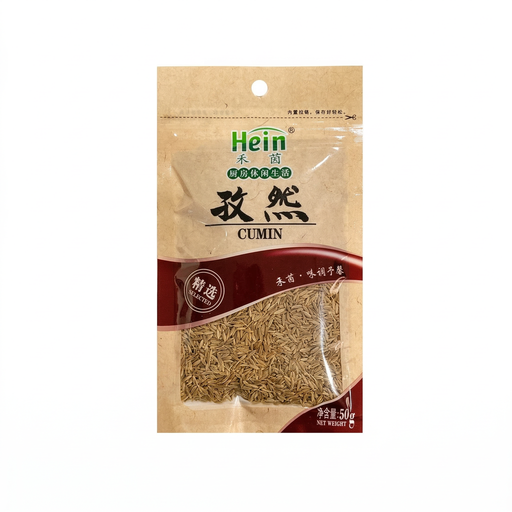
Why This Fits Their Persona: A straightforward single spice for shoppers building a versatile cupboard without buying multiple specialised blends.
Cumin is listed at 100%, so there are no added salt, sugar or flavour enhancers to account for.
50g pack; suitable for curries, stews, BBQ dishes, marinades and vegetables.
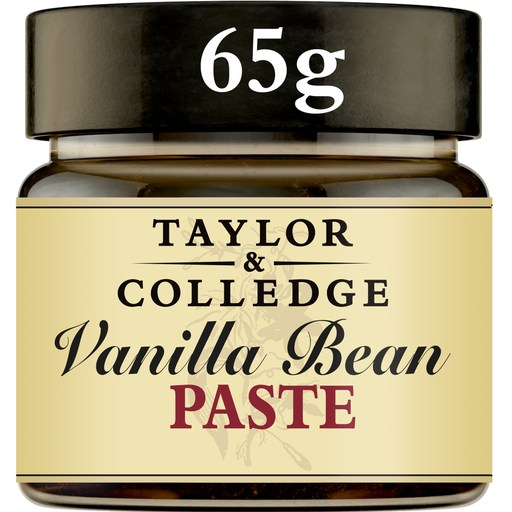
Why This Fits Their Persona: A considered option for baking enthusiasts who want visible vanilla seeds and an organic product format.
The listed ingredients identify vanilla extract with seeds, sugar, inulin and thickener rather than presenting it as a plain extract.
65g jar; organic certification information provided; suitable for custards, cheesecakes, desserts and bakes.
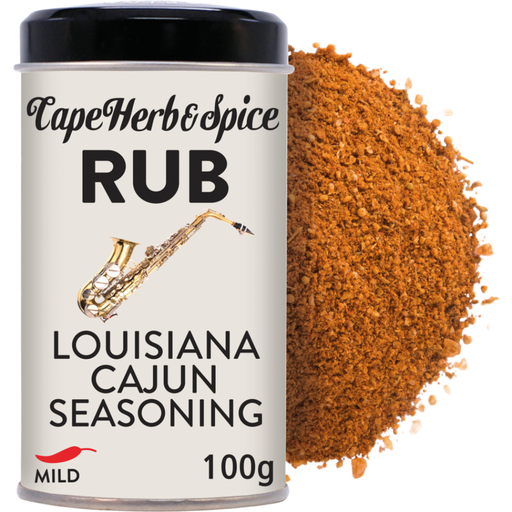
Why This Fits Their Persona: Designed for cooks who regularly prepare meat or seafood and want a ready-to-use rub with a medium spicy bite.
Its ingredient list and mustard allergen declaration make the flavour and dietary considerations easier to assess before purchase.
100g pack; includes paprika, chilli, garlic, cumin and herbs; suitable for meat and seafood.
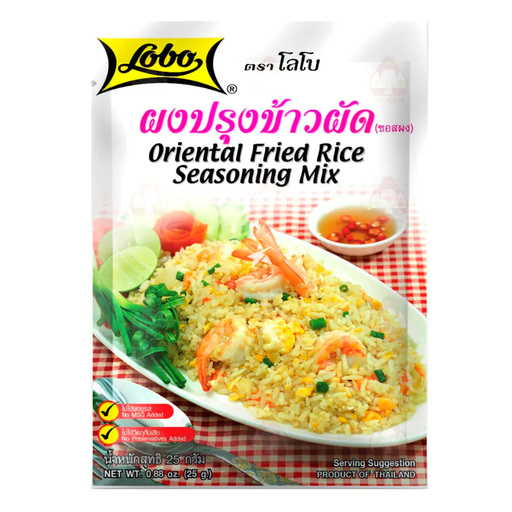
Why This Fits Their Persona: A compact option for busy households making quick fried rice with chilled cooked rice, vegetables and a chosen protein.
The usage guidance states that one 25g packet seasons approximately 500g of cooked rice, helping you judge portion value.
25g single-use format; designed for stir-fried rice; contains soya, which is clearly declared.
We have compiled a complete, real-time list of products that fully satisfy these strict selection criteria and UK safety regulations.
A practical starting set is cumin powder, chilli powder, garlic powder, black pepper, paprika and one versatile blend such as all-purpose seasoning. Add Chinese five spice, tandoori masala or baharat spice blend according to the cuisines you cook most often. Baking enthusiasts may also want vanilla extract or vanilla bean paste.
Dry spices do not usually become unsafe immediately after their best-before date when stored correctly, but their aroma and flavour can weaken. Follow the date and storage guidance on the packaging, keep containers sealed and replace products when the scent becomes faint or the powder has absorbed moisture.
Only if the ingredients and allergen information match their dietary needs. Check for declared allergens such as mustard, celery, sesame, peanuts, soya, wheat and milk, including “may contain” statements. Product formulations can change, so use the packaging supplied with the item as the final reference.