
24/7 Customer Support

Free returns

Same-day & Next-day Delivery

Quality Guaranteed

Unlock Your Welcome Offers: FREE Delivery | Up to 80% OFF | Free 30-day JoyPlus trial
Download the APP
Choosing spices and seasonings should be simple, but attractive packaging and broad flavour claims can make it difficult to compare products. UK shoppers may buy a large jar that loses its aroma before it is used, mistake a chilli blend for pure chilli powder, or overlook allergens in a seasoned frozen side.
A more useful approach is to match the product with the way you cook. Check the ingredient list, portion size, heat level, storage instructions and preparation method before adding anything to your basket.
A jar labelled chilli powder may contain only ground chilli, or it may include cumin, oregano, garlic, salt and anti-caking agents. Neither option is automatically unsuitable, but they behave differently in recipes.
For example, a pure chilli powder gives you more control over salt and supporting flavours. A blended chilli seasoning can be more convenient for marinades, dips or quick weekday meals. Always read the first few ingredients rather than relying only on the front label.
Spices do not usually spoil quickly when stored correctly, but their aroma and flavour can fade after opening. A 95g or 100g jar may suit a household that regularly cooks curries, stews or barbecue dishes, while a 28g or 30g pack may be more sensible for occasional use.
Look for a tightly sealing lid and keep the container in a cool, dry place away from sunlight, heat and steam. Storing spices directly above the hob can reduce freshness.
Seasoned fries and snack products can contain wheat, gluten, soya, mustard or milk, even when the main ingredient is potato or corn. Check the bold allergen information on the current packaging, especially when buying for someone with an allergy or coeliac disease.
Frozen products also vary in preparation. Some are suitable for an oven or air fryer, while others may be intended for deep frying. Cooking appliances vary, so follow the pack instructions and make sure frozen food is piping hot throughout before serving.
Choose single-ingredient cooking spices when you want to adjust the recipe yourself. Useful cupboard staples include:
Spice blends are more convenient but may contain salt, sugar or flavour enhancers. Morrisons Chip Seasoning, for example, lists salt, paprika, onion, garlic, smoked paprika, black pepper and parsley. It is ready to sprinkle over chips, but it is not interchangeable with plain paprika.
Heat labels are not always directly comparable between brands. A fine chilli powder disperses quickly through sauces and marinades, while chilli flakes provide occasional bursts of heat. Cayenne pepper is generally used in smaller quantities, so start with a pinch and adjust after cooking.
For family meals, consider keeping mild paprika and black pepper available alongside a hotter chilli product. This allows diners to customise their portions without making the whole dish too spicy.
Compare the net weight with how often you cook. A 50g cumin jar may be practical for regular curry or barbecue cooking, whereas a smaller jar can reduce cupboard clutter for occasional recipes.
After opening:
For frozen fries, keep the product frozen at the stated temperature, do not thaw before cooking unless the instructions say otherwise, and do not refreeze after thawing.
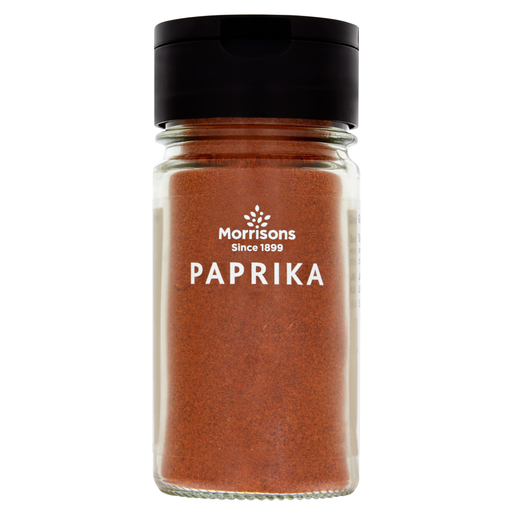
Why This Fits Their Persona: A single-ingredient jar gives new cooks a flexible starting point for soups, sauces, roasted potatoes, goulash-style dishes and marinades.
The ingredient list identifies ground paprika at 100%, so it is not a pre-salted blend disguised as a general spice.
45g format; suitable for cooking, dry rubs, marinades and garnishing.
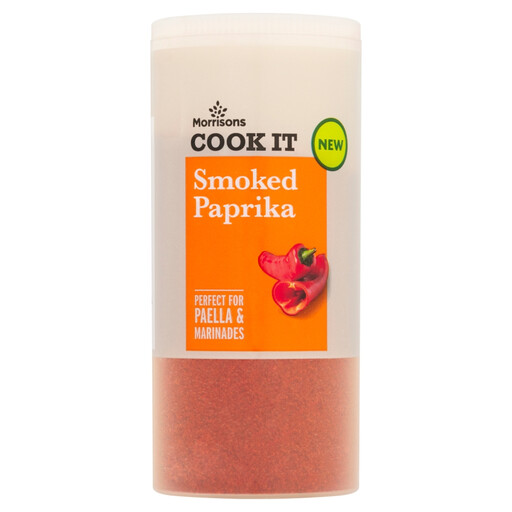
Why This Fits Their Persona: Suitable for cooks who frequently prepare paella, patatas bravas, barbecue rubs, roasted vegetables or smoky sauces.
The product is listed as smoked paprika rather than a broad barbecue blend, making the smoky flavour source clear.
95g jar; single-ingredient spice; adds smoky aroma and red colour to dishes.
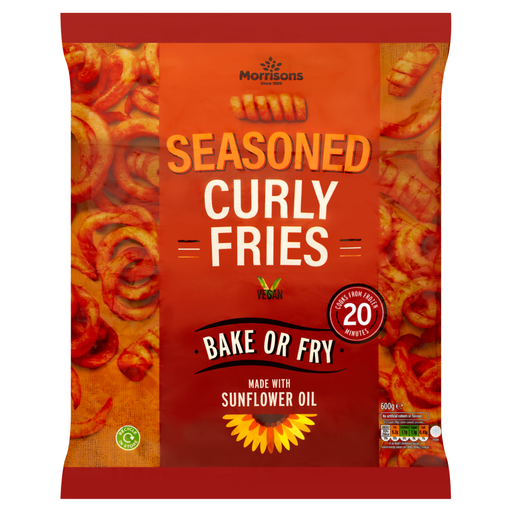
Why This Fits Their Persona: A convenient option for family dinners, casual gatherings or a quick side with burgers, grilled chicken and other mains.
The pack states approximately five portions and identifies wheat in the ingredients, helping shoppers plan servings and check allergens.
600g frozen pack; seasoned with paprika, garlic, onion and herbs; suitable for oven or air fryer preparation according to pack guidance.
We have compiled a complete, real-time list of products that fully satisfy these strict selection criteria and UK safety regulations.
A compact selection can cover many cuisines without creating waste:
For international dishes, follow the packet instructions closely. A Kung Pao seasoning kit, for example, may include separate sauce, marinade and dried chilli packets, as well as allergens such as wheat and soya. It also requires fresh ingredients and cooking, unlike ready-to-eat seasoned crisps.
Chilli powder may be a pure ground chilli or a blend containing spices such as cumin and oregano. Cayenne pepper is generally used as a hotter, more concentrated ground pepper. Check the ingredients and use a small amount first.
Keep them sealed in a cool, dry cupboard away from direct sunlight, hob heat and steam. Avoid introducing moisture with wet spoons, and follow the best-before information on the pack.
Some frozen fries are designed for air-fryer preparation, but instructions differ by product. Check the packaging, avoid overfilling the basket and make sure the fries are piping hot throughout before serving. Also check the allergen statement, as seasoned coatings may contain wheat or gluten.