
24/7 Customer Support

Free returns

Same-day & Next-day Delivery

Quality Guaranteed

Unlock Your Welcome Offers: FREE Delivery | Up to 80% OFF | Free 30-day JoyPlus trial
Download the APP
Spicy Asian snacks and food can range from Korean snacks and hot and spicy ramen to Sichuan-style konjac strips, chilli oil and complete hot pot kits. Shopping online gives UK consumers access to far more variety than a typical supermarket aisle, but product descriptions do not always make comparison easy.
Three common buying traps are worth avoiding:
Texture is often as important as heat. Chewy rice cakes in tteokbokki suit shoppers looking for Korean street-food-style comfort food, while crispy shrimp crackers or rice crackers work better for parties, desk snacking and film nights.
Preparation time also affects value. Instant products requiring only hot water or a short microwave cycle are useful for students, gamers and busy households. Frozen Korean fried chicken and shredded chicken offer a more substantial option, but they require freezer space and oven or air-fryer time.
For example, Yopokki Sweet and Spicy Topokki 140g can be microwaved for two to three minutes, depending on wattage. The cup contains 70.79% rice cakes and is designed as a single serving. Always follow the instructions on the packaging and ensure prepared food is piping hot before eating.
“Sweet and spicy”, “hot”, “mala” and “devil spicy” describe flavour direction rather than a standardised heat scale. Check the ingredients for chilli, gochujang, Sichuan pepper, garlic, fermented black beans or chilli oil to understand what you are buying.
For cooking, Chinese chilli sauce, chilli oil and Lao Gan Ma chilli oil can transform plain noodles, rice, dumplings or stir-fries. However, they are often concentrated and may contain considerable salt or oil. Lao Gan Ma Preserved Black Bean in Chilli Oil, for instance, lists 8.0g of salt per 100g, so a small spoonful may be more practical than treating it as a large-volume sauce.
UK food labels should be checked carefully, especially when buying imported or multi-component products. Look for allergens in bold and review “may contain” statements where provided.
Examples from this range include:
Also distinguish between ambient, chilled and frozen food. Ready-to-eat konjac snacks and gluten sticks can generally be stored in a cool, dry place, while Korean fried chicken products may require refrigeration or storage at -18°C. Once opened, follow the stated consumption period rather than assuming the product will remain fresh indefinitely.
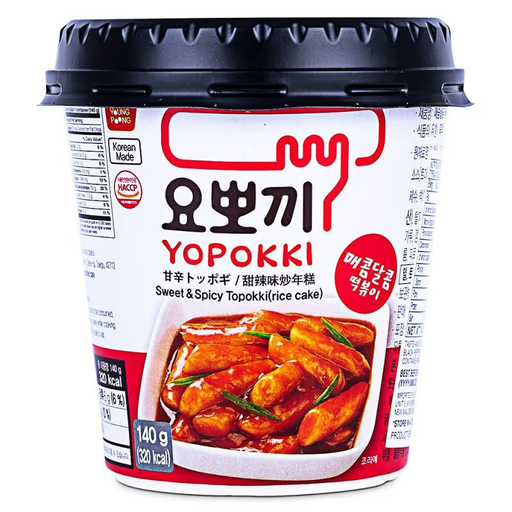
Why This Fits Their Persona: A compact single-serving cup gives newcomers an approachable way to try Korean street food without committing to a large multipack or a full cooking session.
The preparation time and single-cup format are clearly specified, helping buyers avoid unsuitable bulk purchases or complicated recipes.
140g single serving; microwave preparation in 2–3 minutes; chewy rice cakes with a sweet and spicy sauce.
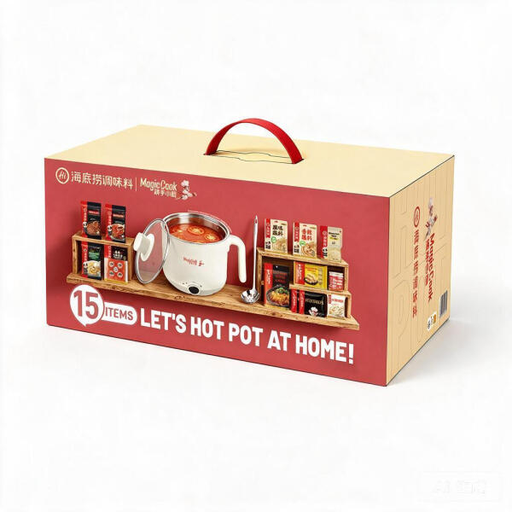
Why This Fits Their Persona: This substantial set suits hosts who want a structured hot pot experience at home, with several soup bases, sauces, ingredients and an electric cooker included.
The listed contents make it easier to assess what is included, rather than paying for a gift box with limited usable ingredients.
Includes four soup bases, four dipping sauces, noodles, tofu rolls, vegetables and an electric cooker.

Why This Fits Their Persona: A five-pack works for regular ramen shoppers, shared cupboards and planned meals, particularly when one packet is not enough for a household or student group.
The pack size and “extremely spicy” caution are explicit, allowing buyers to plan portions and choose a milder option if necessary.
Five individual packs; chewy wheat noodles; carbonara-style seasoning with a creamy flavour profile.

Why This Fits Their Persona: This chilled Korean-style ready-to-eat option suits small gatherings, quick dinners and shoppers recreating Korean fried chicken at home.
The product states its 250g quantity, chilled storage requirement and reheating methods, reducing uncertainty around handling.
Boneless chicken; pre-sauced; can be reheated in an oven or air fryer at 180°C for 5–7 minutes.
We have compiled a complete, real-time list of products that fully satisfy these strict selection criteria and UK safety regulations.
For ready-to-eat variety, consider Korean shrimp crackers, sweet and spicy snacks, spicy gluten sticks or individually wrapped konjac snacks. The 360g Wei Long boxes contain approximately 20 small packs, making them practical for sharing, lunchboxes or gaming sessions.
For cooking, compare Lao Gan Ma products by texture and ingredients. Preserved black bean chilli oil brings fermented savouriness, while crispy chilli oil adds visible pieces and crunch. A mala tang soup base is more suitable when you want to build a bowl with noodles, vegetables and meat or tofu at home.
Frozen options such as bibigo Korean Style Fried Chicken with Sweet & Spicy Sauce may suit party food, but check freezer capacity, cooking time and whether the product must be cooked immediately after thawing.
Choose sweet and spicy products, rice crackers or a small serving of topokki before moving to extremely spicy ramen. Chilli intensity varies considerably, so review the description and ingredients rather than relying on the word “hot” alone.
Follow the individual label. Many products should be kept in a cool, dry place before opening and refrigerated after opening. Use clean utensils, reseal the jar and check the best-before guidance. Chilli oil is a condiment, so portion size matters when comparing salt and fat content.
A cool drink, plain rice, vegetables, egg or a mild side dish can balance a spicy meal. Keep the seasoning quantity adjustable where possible, particularly with products described as extremely spicy, and check allergens such as wheat, soy, sesame, milk and celery before serving.