
24/7 Customer Support

Free returns

Same-day & Next-day Delivery

Quality Guaranteed

Unlock Your Welcome Offers: FREE Delivery | Up to 80% OFF | Free 30-day JoyPlus trial
Download the APP
Spicy carbonara ramen combines creamy, cheesy seasoning with chilli heat, making it popular with Korean food enthusiasts, busy households and anyone wanting a quick meal with more character than standard instant noodles. However, product listings can make similar packets, cups and multipacks look interchangeable when they are not.
Before buying spicy carbonara ramen, check the format, serving size, heat profile, preparation method and allergen information. These details can make the difference between a convenient work lunch and a product that is too hot, too small or unsuitable for your dietary needs.
“Carbonara” describes the creamy, cheese-style flavour, not a fixed chilli intensity. Korean spicy ramen may range from moderately hot to extremely fiery. Some products use chilli oil and pepper powder, while others include concentrated chilli extracts or habanero seasoning.
Do not judge heat from the colour of the packaging alone. Read the product description and seasoning instructions, and consider using only part of the sauce packet for your first serving.
Many Korean instant noodles are prepared as stir-fried noodles, rather than a conventional soup. The noodles are cooked or rehydrated, most of the water is removed, and the sauce is mixed through. Draining too little water can make the finished dish thin; draining everything when the instructions require a small amount to remain can make the sauce difficult to combine.
Cup and bowl formats are convenient, but they may have a smaller net weight than a standard packet. Check whether the product contains 80g, 105g, 106g or 130g before comparing prices.
Creamy spicy instant noodles commonly contain wheat, gluten, soya and milk. Some products also list celery or may contain traces of eggs, fish, shellfish, peanuts, sesame or tree nuts. Always check the latest packaging, especially if buying for someone with an allergy.
Salt, fat and saturated fat can also vary between products. The supplied product information lists values such as 3.5g to 4.25g of salt per 100g across selected products, so comparing nutrition panels is worthwhile.
Choose a packet if you want more control over cooking and water levels. A cup or bowl is practical for an office lunch, student accommodation or travel because it reduces the need for a saucepan and separate bowl.
For regular households, compare the total net quantity, not just the number of units. A six-pack of 80g cups serves a different purpose from a five-pack of 130g packets or a 40-pack intended for frequent consumption.
Cooking times commonly range from three to five minutes:
A reliable result depends on thoroughly mixing the powder and liquid sauce while the noodles are hot.
Look for the balance you prefer between creamy seasoning, cheese-style powder, garlic, chicken flavouring and chilli. “Hot chicken ramen” can contain artificial or flavouring-based chicken ingredients, but this does not automatically make every product suitable for a particular diet. Check the full ingredient list and allergen statement rather than relying on front-of-pack wording.
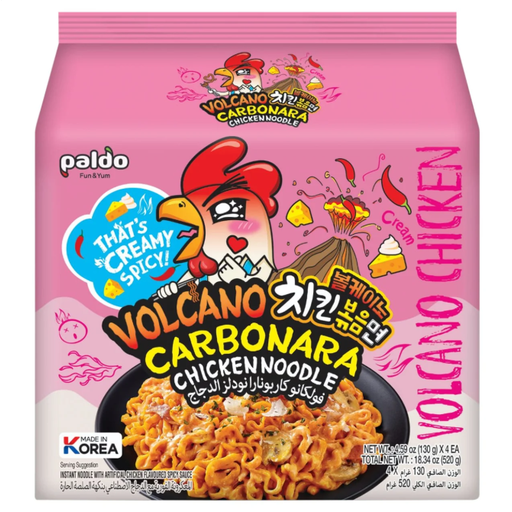
Why This Fits Their Persona: Four 130g packets offer a practical way to try Paldo Volcano carbonara noodles without committing to a large household supply. The packet format also suits shoppers who enjoy adjusting the sauce quantity.
The 130g serving size is clearly stated, and the product uses separate powder and creamy sauce packets, helping you control the intensity and consistency.
Chewy noodles; 4-pack format; preparation takes approximately 4–5 minutes.
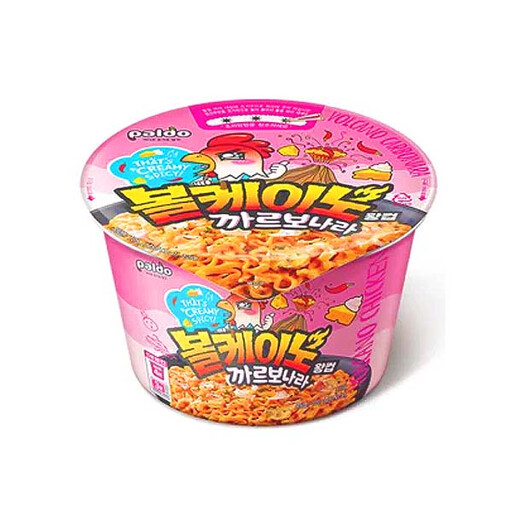
Why This Fits Their Persona: The larger king cup format is suited to shoppers wanting a substantial creamy spicy noodle meal with less cookware and easier serving.
The preparation instructions specify a 4-minute hot-water method and approximately 20ml of water to retain, reducing guesswork.
105g king cup; hot-water and microwave preparation guidance; creamy powder and spicy sauce combination.
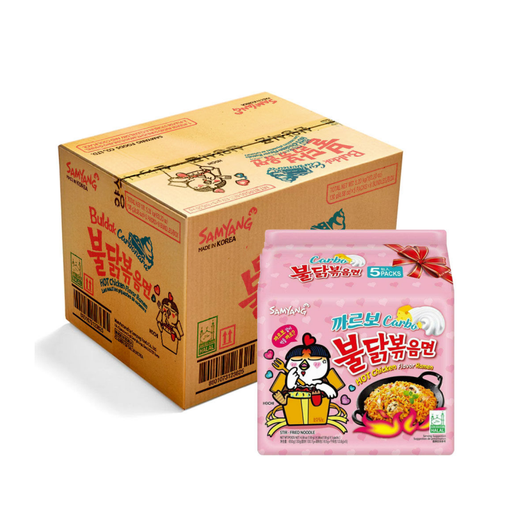
Why This Fits Their Persona: A 40-pack is designed for regular consumption, shared accommodation, office stock or households that already know they enjoy hot chicken ramen.
The quantity is explicit at 40 individual 130g packets, making it easier to assess storage needs and cost per serving before purchase.
Large household multipack; 130g packets; separate liquid sauce and soup powder.

Why This Fits Their Persona: The individual 80g cup is suitable for quick lunches at work or a smaller snack when you want minimal preparation and no separate serving bowl.
The 80g cup size is clearly identified, so shoppers can match the portion to their appetite instead of assuming a cup equals a full packet serving.
Cup format; individual serving; creamy cheese-style seasoning with Korean chilli flavour.
We have compiled a complete, real-time list of products that fully satisfy these strict selection criteria and UK safety regulations.
For packet varieties, boil the noodles according to the label, usually for around four to five minutes. Drain most of the water, retain the stated amount if required, then add the powder and liquid sauce. Mix thoroughly while hot. For carbonara noodle cups, add boiling water to the fill line, wait for the specified time and drain through the lid openings where instructed.
Start by adding only part of the liquid chilli sauce, then increase it gradually. Creamy ingredients such as cheese or milk can change the flavour and texture, while vegetables or an egg can make the serving more substantial. Do not assume that a carbonara flavour means mild heat.
Divide the total price by the number of individual servings, then compare the net weight per serving. A five-pack of 130g packets, a six-pack of 80g cups and a larger 40-pack are not directly equivalent. Also factor in storage space, preparation equipment and whether you are buying for occasional snacks or regular meals.