
24/7 Customer Support

Free returns

Same-day & Next-day Delivery

Quality Guaranteed

Unlock Your Welcome Offers: FREE Delivery | Up to 80% OFF | Free 30-day JoyPlus trial
Download the APP
For many of us living in the UK, the craving for authentic spicy Chinese snacks is a familiar feeling. Whether you miss the flavours of home or you're an adventurous foodie seeking a genuine taste experience, navigating the online market can be tricky. It's easy to be disappointed by snacks that don't live up to their "authentic" labels.
As a Product Recommendation Officer at Joybuy, my role is to help you see past the marketing jargon. Many shoppers find themselves let down by a few common issues. Firstly, the "flavour trap," where snacks are advertised as spicy but deliver a muted, westernised taste that lacks the distinctive numbing heat of true Sichuan snacks. Secondly, the "texture mismatch," where a product described as chewy turns out to be disappointingly soft or a "crispy" item is stale. Finally, there's the issue of unclear ingredients, which can be a particular concern for those with dietary requirements, such as those seeking Chinese vegetarian snacks.
This guide will break down what to look for so you can confidently buy latiao online and explore other Asian savoury snacks that deliver on their promise.
To avoid disappointment, it pays to look beyond the packaging. Understanding a few key parameters will ensure you get the exact flavour and texture you're looking for.
Not all spice is created equal in Chinese cuisine. The term "spicy" can refer to several distinct flavour profiles, and knowing the difference is key to finding your favourite.
The foundation of the snack determines its mouthfeel. Chinese snacks are incredibly diverse, with textures ranging from chewy to crispy and everything in between.
Always take a moment to check the ingredients list, especially when buying imported goods online. Common allergens in Chinese snacks UK shoppers should be aware of include soy, wheat (gluten), peanuts and sesame. The label will also list any flavour enhancers (like E621, or MSG) or preservatives used, allowing you to make an informed choice that aligns with your dietary preferences.
Based on these criteria, we've matched a few standout products to different snacking preferences.
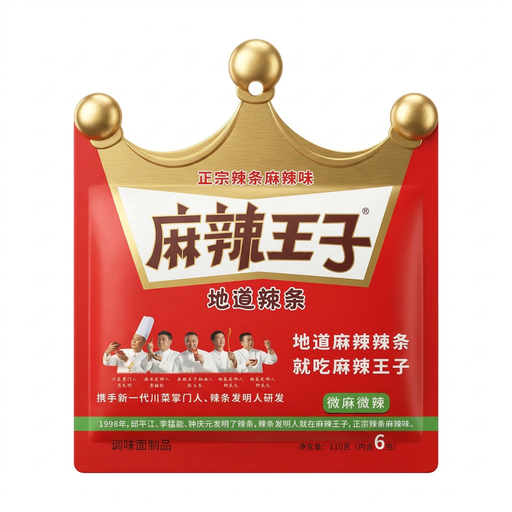
Why This Fits Their Persona: This is for those specifically seeking that classic, chewy wheat gluten snack from their memories. It aims to replicate the authentic flavour of spicy strips from Pingjiang, Hunan, satisfying a very specific craving.
It directly counters the "diluted flavour" trap by specifying a mild numbing and spicy taste profile, using Sichuan peppercorns and chilli to deliver an authentic experience rather than just generic heat.
Made using a non-fried process and comes in individual sachets, which helps maintain freshness and makes it convenient for snacking on the go.
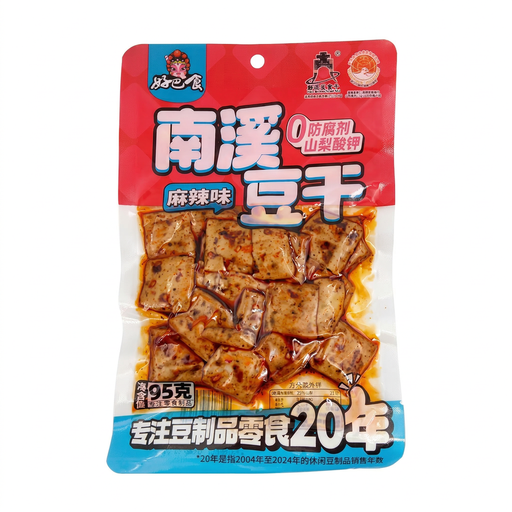
Why This Fits Their Persona: Ideal for vegetarians and vegans looking for a substantial, protein-rich snack that doesn't compromise on flavour. This offers a bold, savoury experience beyond typical plant-based options in the UK.
This avoids the "texture mismatch" by delivering the firm, chewy consistency expected of a quality tofu snack. The brand's origin in Nanxi, Sichuan, adds confidence that the spicy and numbing flavour is genuine.
A high-protein snack made from non-GMO soybeans. The individual packaging makes it a convenient option for a post-gym snack or a flavourful addition to a packed lunch.
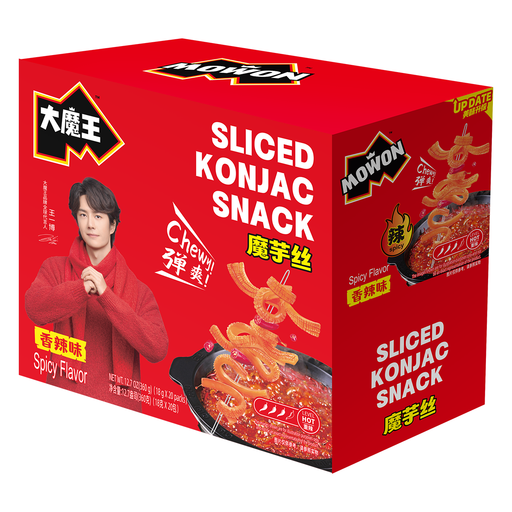
Why This Fits Their Persona: Perfect for snackers who are bored of the usual and are looking for a unique mouthfeel. The chewy, springy texture of konjac is a novel experience, and its low-calorie nature appeals to the more health-conscious consumer.
It avoids the "poor value" trap by being sold in a multi-pack of 20 individually portioned sachets. This provides clarity on quantity, ensures freshness and is ideal for portion control or sharing.
Offers a unique chewy and crispy texture that is low in fat and calories. The classic spicy and numbing flavour profile makes it a satisfying yet lighter snack choice.
We have compiled a complete, real-time list of products that fully satisfy these strict selection criteria and UK safety regulations.
1. What is the difference between mala and regular spicy Chinese snacks? The key difference is the sensation. A regular spicy snack (xiangla) provides a fragrant, straightforward heat from chillies. A mala snack, however, adds Sichuan peppercorns to the mix, which creates a distinct tingling and numbing feeling on the tongue and lips alongside the heat. It's a multi-layered experience that is highly characteristic of Sichuan cuisine.
2. Are most spicy Chinese snacks vegetarian? Many popular varieties are, which is great news for those seeking Chinese vegetarian snacks. Classics like latiao (wheat gluten), many Chinese tofu snacks and konjac jelly snacks are entirely plant-based. However, it is always essential to check the ingredients list, as some products may use beef flavouring, fish-based sauces, or other animal-derived seasonings.
3. How should I store these snacks after opening? Most of these snacks are shelf-stable and should be stored in a cool, dry place away from direct sunlight. Many come in large bags containing smaller, individually sealed packets, which is ideal for maintaining freshness. For any larger, resealable bags, ensure they are sealed tightly after opening. Pickled items, like cucumbers or lettuce, should be refrigerated after opening and consumed within a few days as indicated on the packaging.