
24/7 Customer Support

Free returns

Same-day & Next-day Delivery

Quality Guaranteed

Unlock Your Welcome Offers: FREE Delivery | Up to 80% OFF | Free 30-day JoyPlus trial
Download the APP
As a Joybuy Product Recommendation Officer, my role is to help you navigate the crowded shelves and find products that deliver on their promise. The world of spicy instant noodles is a perfect example—a universe of fiery flavours, but also one filled with potential disappointment. Whether you're a student looking for a quick meal or a foodie chasing the next flavour sensation, it's easy to end up with a pantry full of noodles that are all heat and no substance.
This guide is designed to help you sidestep the common pitfalls and choose the right noodles for your palate and your wallet. We'll break down what really matters and highlight some options that hit the mark.
Before you add that eye-catching packet to your basket, be aware of these frequent issues that can lead to buyer's remorse.
To avoid the traps above, focus on these three key parameters. They will tell you more about the product than any flashy packaging.
The noodle itself is the foundation of your meal. The two main categories you'll encounter are soup-based and stir-fry (or 'dry') noodles.
"Spicy" is a broad term. To find what you truly enjoy, look for descriptions of the underlying flavour:
When you buy Asian noodles online, pay close attention to the format.
Based on the criteria above, here are a few recommendations matched to different preferences and needs.
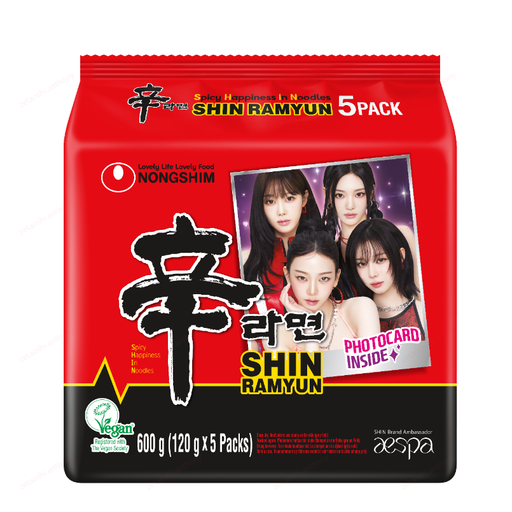
Why This Fits Their Persona: This is the quintessential Korean ramen for a reason. It's a dependable, flavourful and satisfying meal that's perfect for a quick lunch or a comforting late-night snack. The multipack is ideal for stocking a student cupboard or family pantry.
It masterfully avoids the "all heat, no flavour" trap. The spice is robust but balanced by a deep, savoury mushroom and beef-style broth. This multipack also offers far better value than buying single packets.
Features thick, chewy noodles that don't go mushy. The flavour is consistently rich and satisfying, making it a perfect base for adding extras like an egg or vegetables.
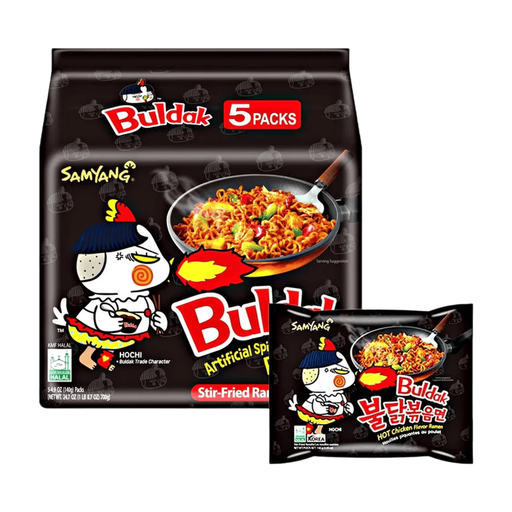
Why This Fits Their Persona: For those who actively seek out intense heat and want to take on the famous "fire noodle challenge," this is the original. It's a globally recognised brand for its formidable spice level, combined with a savoury chicken flavour.
This product is for a user who is intentionally seeking extreme spice. It also requires a specific stir-fry preparation method, which is key to its flavour. Following the instructions avoids the "preparation mismatch" trap and delivers the intended thick, fiery sauce.
Delivers an exceptionally high and consistent level of spice. The stir-fry style ensures the thick sauce coats the chewy noodles perfectly for an intense flavour experience in every bite.

Why This Fits Their Persona: For those bored of standard ramen and looking for a different texture and flavour profile, this is an excellent choice. It delivers the authentic numbing-and-spicy (málà) kick of Sichuan cuisine, which is a completely different experience from Korean-style heat.
The flavour is complex, not just hot. It combines tangy vinegar, savoury chilli oil and the unique tingle of Sichuan peppercorns. The non-fried, wide noodle sheets also offer a unique, chewy texture that sets it apart from typical instant noodles.
Offers a unique málà flavour profile that is both spicy and numbing. The wide, flat noodles have a satisfyingly chewy and elastic bite. Preparation is simple: just soak, drain and mix.
We have compiled a complete, real-time list of products that fully satisfy these strict selection criteria and UK safety regulations.
The easiest way to elevate any instant noodle is by adding fresh ingredients. A soft-boiled egg, a slice of processed cheese, some chopped spring onions or even leftover cooked chicken or beef can turn a simple snack into a more substantial and flavourful meal. A dash of sesame oil or a sprinkle of toasted sesame seeds also adds a nice finishing touch.
No, and this is a crucial difference. For soup noodles, you typically boil the noodles in the water that will become the broth, adding the seasoning packets during or after cooking. For stir-fry noodles, you must boil the noodles separately, drain the water almost completely (some instructions suggest leaving a few tablespoons) and then mix in the sauce packets to coat the noodles. Always check the packet instructions.
In almost every case, yes. While the upfront cost is higher, the price per individual serving is significantly lower when you buy a multipack of 4, 5 or more. If you have a favourite brand or eat instant noodles regularly, buying a multipack or a bulk box is the most economical way to stock your pantry.