
24/7 Customer Support

Free returns

Same-day & Next-day Delivery

Quality Guaranteed

Unlock Your Welcome Offers: FREE Delivery | Up to 80% OFF | Free 30-day JoyPlus trial
Download the APP
For many of us in the UK, the world of spicy instant noodles offers a quick, affordable and deeply satisfying meal. Whether you're a student needing a fast dinner, a professional looking for a flavourful lunch, or a chilli-head chasing the next level of heat, the options available online are vast. However, navigating this market can be tricky. A packet that promises a fiery, authentic experience can sometimes deliver a bland, one-note heat, leaving you with nothing but a tingling tongue and a sense of disappointment.
As the Joybuy Product Recommendation Officer, my role is to help you see past the flashy packaging and marketing claims. Let's break down the common pitfalls to avoid and the key features to look for, ensuring your next bowl of noodles is exactly what you're craving.
To avoid these issues, focus on a few key product specifications. Analysing these details will help you find a product that delivers on its promise of flavour, texture and heat.
The foundation of any good instant noodle dish is the noodle itself. The texture can make or break the experience.
The source of the spice and the complexity of the flavour base are what separate a great noodle from a mediocre one.
As mentioned, the number and type of sachets are a strong indicator of quality. A good instant noodle multipack will often feature:
Based on these criteria, here are a few recommendations matched to different preferences and needs, helping you find the right spicy noodles for your pantry.

Why This Fits Their Persona: For those in the UK who follow the spicy noodle challenge trend or simply crave intense heat. The creamy carbonara sauce offers a unique, rich counterpoint to the signature Buldak fire, making it more than just a heat-seeking mission.
It masterfully avoids the "heat-only" trap. The separate liquid sauce and powder sachet create a complex, creamy and savoury flavour profile that complements the intense spiciness, rather than being overwhelmed by it.
Features the famously intense Buldak spice level combined with a rich carbonara cheese flavour. The thick, chewy noodles are excellent at holding the substantial sauce.
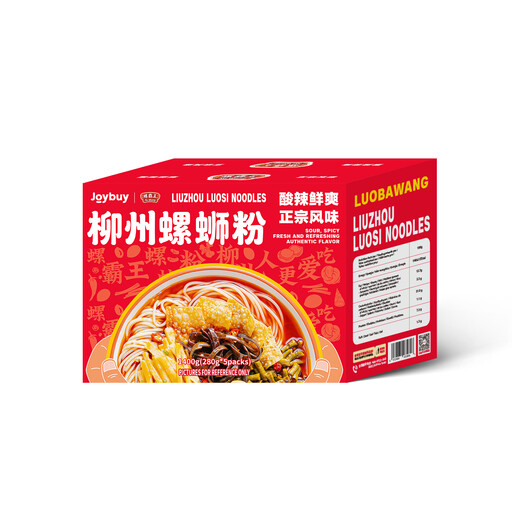
Why This Fits Their Persona: For the adventurous foodie wanting to try one of China's most famous regional dishes, Liuzhou Luosifen. This is for someone who values complexity and authenticity over simple heat, seeking a pungent, sour and savoury experience.
This is the antithesis of the "single-sachet shortcut." With eight separate packets including sour bamboo shoots, pickled green beans, peanuts and crispy bean curd, it guarantees a multi-layered taste and texture experience.
Delivers a truly authentic and complex flavour profile that is sour, spicy and deeply savoury. The sheer number of toppings provides a restaurant-quality meal experience at home.
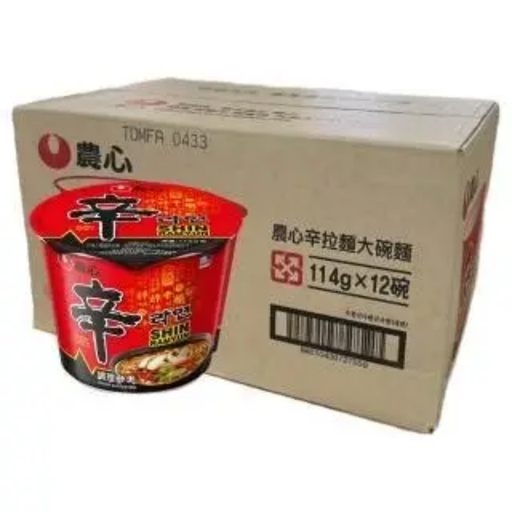
Why This Fits Their Persona: Perfect for students and busy professionals who need reliable quick student meals. This instant noodle multipack is a pantry essential, offering a consistent and satisfying spicy kick that's a significant step up from basic supermarket options.
It avoids the "noodle texture mismatch" pitfall. Shin Ramyun is globally recognised for its springy, substantial noodles that hold their chewy texture well, providing a dependable and satisfying eating experience every time.
A classic Korean ramen with a well-balanced spicy beef and mushroom broth that is flavourful without being overpowering. The case format offers excellent value for money.
We have compiled a complete, real-time list of products that fully satisfy these strict selection criteria and UK safety regulations.
1. How can I make my spicy instant noodles taste better? A simple way to elevate any bowl of instant noodles is by adding fresh ingredients. A soft-boiled egg adds creaminess and protein. Finely chopped spring onions or coriander bring a fresh, aromatic lift. You can also add a slice of processed cheese for a creamy broth, or toss in some leftover cooked chicken or vegetables to make it a more substantial meal.
2. Are all Korean ramen noodles extremely spicy? Not at all. While brands like Samyang Buldak are famous for their intense heat, many other Korean brands offer a range of spice levels. Nongshim Shin Ramyun is considered by many to have a pleasant, medium level of spice. There are also plenty of mild or non-spicy Korean noodle varieties, such as those with black bean sauce (Jjajangmyeon) or clear broths.
3. What is the difference between soup noodles and dry/tossed noodles? The main difference is the preparation and final result. For soup noodles, you cook the noodles in water and then add the seasoning to create a flavourful broth. For dry or tossed noodles, you cook the noodles, drain almost all the water, and then mix in the concentrated sauce packets. This results in a dish where the noodles are coated in a thick, intense sauce rather than sitting in a soup. Many of the more intense spicy noodle challenge products are dry noodles.