
24/7 Customer Support

Free returns

Same-day & Next-day Delivery

Quality Guaranteed

Unlock Your Welcome Offers: FREE Delivery | Up to 80% OFF | Free 30-day JoyPlus trial
Download the APP
A good jar of spicy pickled vegetables can transform a simple meal. That satisfying crunch, the fiery kick and the tangy undertones can liven up everything from a bowl of rice to a lunchtime sandwich. However, the growing popularity of these condiments in the UK has led to a crowded market, and not all options deliver on their promise. Many home cooks find themselves disappointed with jars that miss the mark on flavour and texture.
As a Joybuy Product Recommendation Officer, my role is to help you navigate the choices and find products that genuinely enhance your meals. Before you add another jar to your basket, let's look at some common pitfalls to avoid.
To avoid disappointment, focus on a few core characteristics that determine the quality of spicy condiments. Understanding these will help you decode the labels and select a product that matches your taste.
The method used to pickle the vegetables is the single most important factor influencing the flavour.
The type of vegetable and how it is prepared dictates the final texture and its best use.
The ingredient list offers clear clues about the flavour profile. Look beyond the "spicy" claim and check for the source of the heat and other seasonings. The presence of Sichuan peppercorns suggests a numbing spice (málà), while chilli oil often provides a fragrant, savoury heat. Ingredients like fish sauce (in kimchi) or yeast extract add a deep umami flavour that balances the spice and sourness. If sugar is one of the first few ingredients, prepare for a sweeter pickle.
Based on these criteria, here are a few recommendations tailored to different needs and preferences.
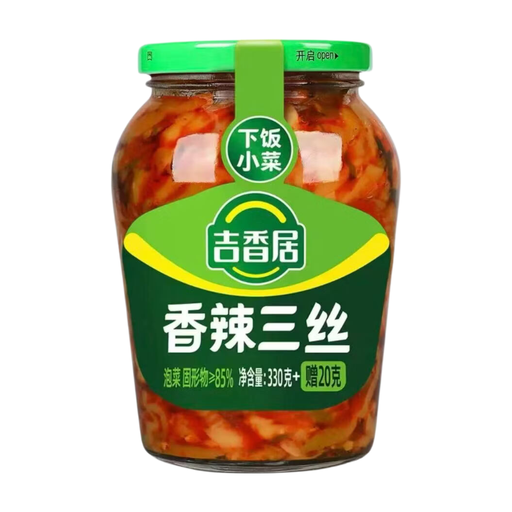
Why This Fits Their Persona: This is an ideal all-in-one condiment for anyone needing to add instant flavour to a quick weeknight meal. The mix of shredded mustard tuber, radish and kelp is ready to be spooned over porridge, rice or noodles without any prep.
It sidesteps the "generic flavour" trap by offering a blend of three distinct vegetables. The inclusion of chilli oil and yeast extract provides a savoury, umami-rich profile that is more complex than a simple sweet-and-sour pickle.
A versatile mix of textures in one jar. Ready-to-eat convenience for quick meals.
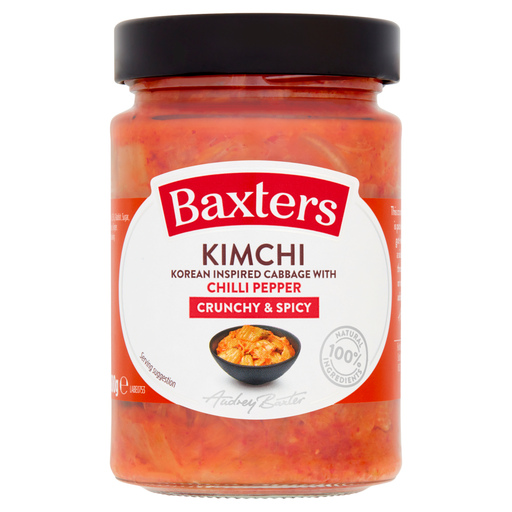
Why This Fits Their Persona: For those in the UK seeking the distinct tangy flavour of fermented foods, this Korean-inspired kimchi is an accessible choice. It is specifically designed to be eaten as a side or added to stir-fries and wraps, appealing to those who appreciate the unique taste of kimchi.
This product directly counters the "mushy texture" pitfall by highlighting its "crunchy" fermented cabbage. The ingredient list includes fish sauce, a key component for authentic umami depth in traditional kimchi, avoiding a simple vinegar taste.
A fermented product with a complex, tangy flavour. Made in the UK with a classic ingredient profile.

Why This Fits Their Persona: For those who want serious, authentic heat, Lao Gan Ma is an iconic choice. This product combines crisp pickled mustard stems with the brand's signature fragrant chilli oil, delivering a potent and savoury kick that is revered by fans of Chinese cuisine.
This product's strength is its unique, non-generic flavour. The fragrant chilli oil is complex and savoury, not just hot. It avoids the high-sugar pitfall by focusing on a balanced salty, spicy and crunchy experience.
Features the globally recognised Lao Gan Ma chilli oil. Delivers a powerful, savoury spice kick with a satisfying crunch.
We have compiled a complete, real-time list of products that fully satisfy these strict selection criteria and UK safety regulations.
1. How long do spicy pickled vegetables last after opening? Once opened, most jarred pickled vegetables should be stored in the refrigerator. As a general rule, consume them within 1 to 3 weeks for the best texture and flavour. Products packed in oil may last slightly longer than those in a water or vinegar-based brine. Always refer to the storage instructions on the product's label.
2. What is the difference between kimchi and other Chinese pickles? The primary differences lie in the ingredients and preparation. Kimchi is a traditional Korean side dish made from fermented vegetables, most commonly napa cabbage and Korean radishes, seasoned with ingredients like gochugaru (chilli powder), scallions, garlic, ginger and jeotgal (salted seafood). This fermentation gives it a distinctive tangy, sour and umami flavour. Chinese pickles are a much broader category, encompassing a vast range of vegetables and preservation methods. This includes zhacai (pickled mustard tuber), which is often preserved in a salty, spicy mixture, and various radishes or cucumbers quick-pickled in vinegar, soy sauce and chilli oil.
3. Can I cook with spicy pickled vegetables? Absolutely. They are incredibly versatile in the kitchen. You can chop them up and add them to fried rice or stir-fries for a burst of flavour and texture. They also work well in soups and stews, though it is best to add them near the end of the cooking process to preserve their crunch. Furthermore, they can be used as a zesty filling for dumplings, buns or sandwiches.