
24/7 Customer Support

Free returns

Same-day & Next-day Delivery

Quality Guaranteed

Unlock Your Welcome Offers: FREE Delivery | Up to 80% OFF | Free 30-day JoyPlus trial
Download the APP
Finding convenient, flavourful and genuinely spicy seafood can be a rewarding experience, whether you're after a quick lunch, a savoury snack or authentic ingredients for a home-cooked meal. However, the market is filled with options that can easily lead to disappointment. Vague labelling and clever marketing can mean the difference between a satisfying meal and a wasted purchase.
As a Joybuy Product Recommendation Officer, my role is to help you see past the hype. This guide will highlight the common pitfalls to watch out for and break down the essential factors to consider, ensuring your next purchase of spicy seafood hits all the right notes.
Many shoppers find themselves let down by products that don't match their expectations. Here are the three most frequent issues and how to avoid them:
canned mackerel in tomato sauce, rely on significant amounts of sugar and salt. This can turn a seemingly healthy fish dish into a less nutritious option, counteracting the benefits of the omega-3s you were seeking.To make an informed choice, focus on these three key details on the packaging. They provide a clear picture of the product's quality and flavour profile.
The most crucial factor is what you are actually eating. Look for a clear declaration of the fish species (e.g., Mackerel, Sardines and Anchovies) and, importantly, the fish content percentage. A higher percentage means you are getting more fish for your money. Products that are vague about the type of fish or don't list a percentage should be approached with caution. This is especially true for tinned spicy fish and other ready to eat fish products where the sauce can obscure the contents.
Understanding the source of the heat helps you predict the flavour. Is the spice coming from simple chilli powder, whole sardines with hot peppers or a complex blend? For those interested in Asian cuisine, look for terms like "mala" or "Sichuan peppercorn", which indicate a numbing spiciness (a hallmark of mala fish snacks) rather than just pure heat. This detail helps you move beyond generic "spicy" labels to find a flavour profile you will genuinely enjoy.
A quick glance at the nutritional table is the most effective way to sidestep the hidden sugar and salt trap. By comparing the sugar and salt content per 100g, you can easily gauge how a product fits into your dietary preferences. This simple check empowers you to choose options that are both flavourful and aligned with your health goals, whether you're looking for a daily lunch staple or an occasional treat.
Based on the criteria above, here are a few recommendations tailored to different needs and preferences.
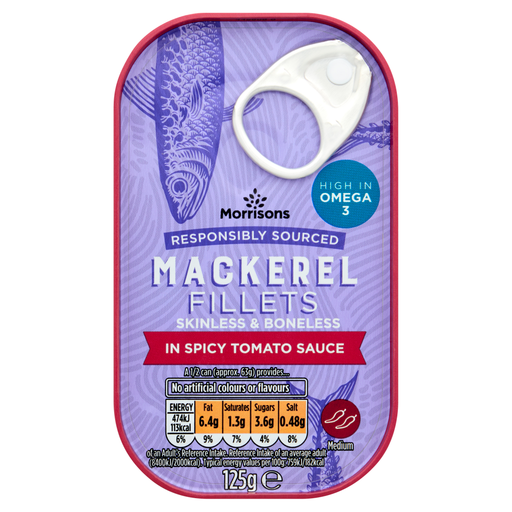
Why This Fits Their Persona: An ideal pantry staple for a quick, no-fuss lunch. It's perfect on a slice of toast or mixed with pasta for a protein-rich meal that's ready in minutes, fitting seamlessly into a busy workday in the UK.
It features a clear chilli rating ("medium - 2") to manage spice expectations and lists a solid 56% Mackerel content, ensuring you get plenty of fish.
High in Omega 3; skinless and boneless for maximum convenience.
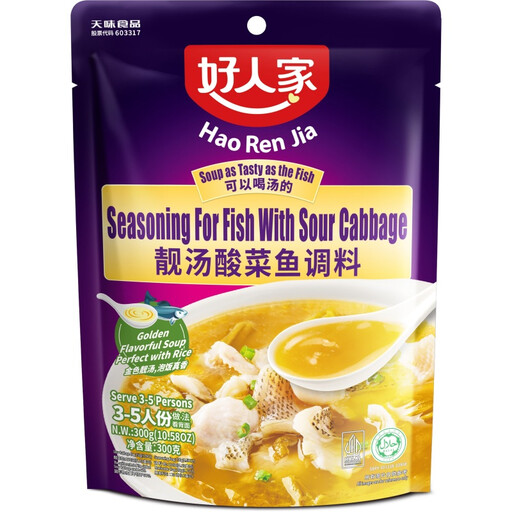
Why This Fits Their Persona: For the home cook dedicated to authentic flavours, this suan cai yu kit provides the foundation for a classic Sichuan dish. It's not a ready-meal, but an ingredient set for creating a restaurant-quality experience at home.
As a meal kit, you control the main ingredient, completely avoiding the "low fish content" trap. The flavour is complex and authentic, using real pickled vegetables and Sichuan pepper.
A three-bag system (seasoning, marinade, sour cabbage) creates layered, authentic flavour. It's also a key component for making `seafood hot pot`.
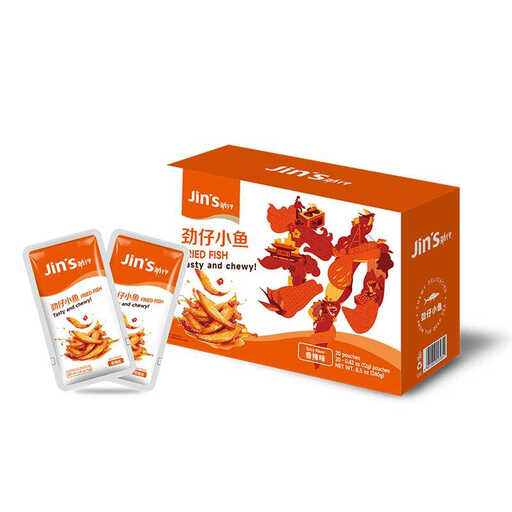
Why This Fits Their Persona: For those seeking a high-protein, intensely flavourful alternative to crisps or nuts. These dried spicy anchovies are a classic type of Asian fish snack, offering a chewy texture and a bold, savoury kick.
This product boasts an impressive 69% anchovy content, so you know you're getting real fish. The authentic spicy flavour is the main event, not an afterthought.
Very high in protein (28.5g per 100g); individually packaged for on-the-go snacking and maintaining freshness.
We have compiled a complete, real-time list of products that fully satisfy these strict selection criteria and UK safety regulations.
1. How can I tell how spicy a product will actually be before buying? Look for numerical chilli ratings on the packaging, as these offer a more standardised guide. If none are present, check the ingredients list. The higher up "chilli," "pepper" or other spice elements appear, the more prominent their flavour will be. Also, note the terminology: "mala" or "Sichuan" implies a numbing heat, which is a different sensation from the direct heat of a habanero or bird's eye chilli.
2. Is tinned spicy fish a healthy option for a quick meal? It certainly can be. Oily fish like mackerel, sardines and herring are excellent sources of protein and heart-healthy Omega-3 fatty acids. The key is to be a mindful shopper. Always check the nutritional information for the amount of salt and sugar in the sauce to ensure it aligns with your dietary goals. Choosing fish packed in olive oil with peppers can often be a lower-sugar alternative to some tomato-based sauces.
3. What is the main difference between dried spicy fish snacks and tinned fish? The primary differences are texture and usage. Tinned spicy fish is cooked and preserved in a liquid (like oil or a sauce), resulting in a soft, flaky texture that is ideal for incorporating into meals like pasta, salads or serving on toast. In contrast, dried spicy anchovies and other Asian fish snacks are dehydrated or fried, giving them a chewy or crispy texture. They are intensely seasoned and designed to be eaten directly from the packet as a savoury snack.