
24/7 Customer Support

Free returns

Same-day & Next-day Delivery

Quality Guaranteed

Unlock Your Welcome Offers: FREE Delivery | Up to 80% OFF | Free 30-day JoyPlus trial
Download the APP
Choosing spicy snacks in the UK can be less straightforward than picking the hottest-looking packet from the shelf. Heat levels vary widely, while words such as “fire”, “extreme” and “bold” do not provide a consistent measurement. A snack that tastes pleasantly warm to one person may be overwhelming to another.
The format also affects value. A large sharing bag may cost less per gram but lose its crunch before it is finished, while individual packs can be more practical for lunchboxes, work desks and portion planning. Before buying spicy crisps, hot crisps or chilli snacks, check the details behind the front-of-pack messaging.
Bright colours and phrases such as “hot”, “fiery” or “numb and spicy” describe the intended flavour style rather than a regulated heat scale. Chilli intensity can also be balanced by sugar, lime, vinegar, garlic or smoky seasoning. Read the product description and ingredients to understand whether you are choosing a gradual warmth, a tangy kick or a stronger chilli profile.
A 55g or 70g bag may suit a single snack, but a multipack can work out more conveniently for households, lunchboxes or gatherings. Compare the net weight, number of individual bags and intended use. For parties, sharing crisps in 140g–200g bags may be more suitable; for taking snacks to work or school, snack multipacks reduce the need to open a large bag repeatedly.
International snacks may contain ingredients that are easy to miss when shopping quickly. Common allergens in this category include wheat, milk, soya, fish, crustaceans, sesame and egg. Some spicy potato chips and chilli crackers may also contain flavour enhancers or sweeteners. Always check the current packaging before eating, particularly when buying Asian spicy snacks or products imported from outside the UK.
Consider the complete flavour rather than heat alone:
There is no universal UK scale for comparing the heat of packaged snacks, so treat “hot” as a flavour description rather than a precise guarantee.
Texture matters when selecting spicy potato chips, chilli crackers or sharing snacks. Ridged or cross-cut crisps can hold more seasoning and offer a firmer bite. Baked crackers may have a lighter texture, while fried cassava chips and pork crackling provide a denser, harder crunch.
For entertaining, choose formats that remain easy to serve from a bowl. For travel or lunchboxes, sealed single-serve packs are less likely to create waste. Konjac snacks and rice-based crispies offer alternatives to standard potato crisps, although their texture and seasoning can be very different.
Check whether the stated nutrition information is per 100g, per serving or per pack. A 150g or 200g bag may contain several servings, even if it is easy to eat in one sitting. Store opened snacks in a cool, dry place and reseal them promptly. Moisture is the main cause of lost crispness, especially with prawn crackers, rice snacks and thin crisps.
For products with specific storage instructions, follow the label. Some products should be consumed within a few days after opening, while konjac products may require refrigeration once opened.
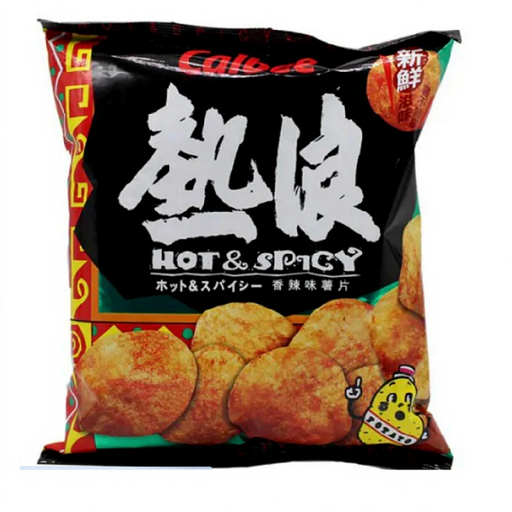
Why This Fits Their Persona: The 55g single pack offers a straightforward way to try spicy potato chips without committing to a larger bag.
The clearly stated net quantity makes it easier to compare a single serving with larger international snacks.
Thinly sliced potato crisps; seasoning includes chilli powder and spices.
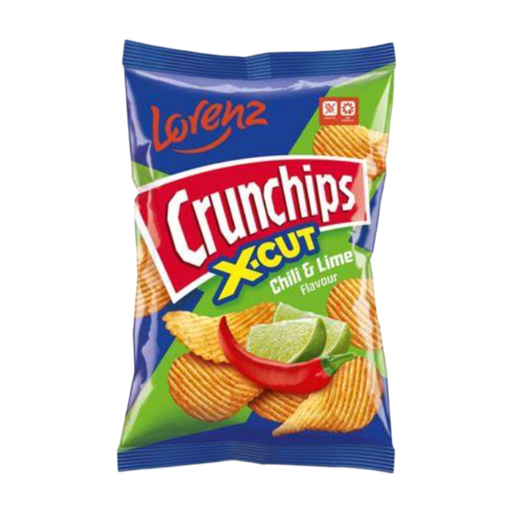
Why This Fits Their Persona: A 200g sharing bag suits movie nights and gatherings where a sturdy crunch and layered flavour are priorities.
The X-cut structure and stated 200g weight help set expectations for texture and sharing capacity rather than relying only on heat-focused packaging.
Cross-cut potato crisps; chilli and lime extracts provide both warmth and citrus flavour.

Why This Fits Their Persona: Twenty individually wrapped 18g packs work well for regular snackers, sharing, desk drawers and travel.
Individual wrapping limits repeated exposure to air and avoids opening a whole 360g box at once.
18g portions; konjac, chilli, Sichuan pepper and other spices create a distinctive chewy-crisp format.
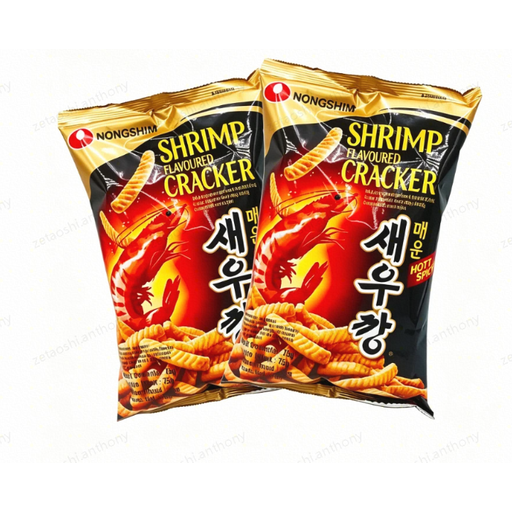
Why This Fits Their Persona: This two-pack brings Korean-inspired seasoning to shoppers looking for prawn crackers with chilli and kimchi notes.
The product information clearly identifies shrimp, fish, soya and wheat allergens, helping shoppers check suitability before purchase.
Two 75g packs; baked cracker format with shrimp and kimchi seasoning.
We have compiled a complete, real-time list of products that fully satisfy these strict selection criteria and UK safety regulations.
For a mixed party platter, combine different textures rather than several products with similar seasoning. Pair hot crisps with milder snacks, plain crackers or cool drinks. Keep seafood-based products separate where allergy awareness is important and retain the original packaging so guests can check ingredients.
Once opened, fold or clip bags tightly and store them away from heat, sunlight and moisture. Products such as prawn crackers and rice-based snacks can lose their texture quickly when exposed to humid kitchen air. Check the best-before date on the packaging, as dates can vary between batches.
Choose a combination of sharing crisps, hot crisps and milder sweet chilli options. Larger 140g–200g bags are convenient for serving in bowls, while multipacks can provide individually sealed portions for guests to take.
Not necessarily. Asian spicy snacks may use different flavour profiles, including kimchi, Sichuan pepper, hot-pot seasoning or chilli crab. These can feel more aromatic, tangy or numbing without always having a higher chilli intensity. Check the ingredients and product description rather than judging by country of origin.
Store them in a cool, dry place and reseal the packet immediately after serving. For products with specific instructions, follow the packaging. If the texture becomes soft, the pack has been exposed to moisture and should not be treated as freshly opened.